High Performance PCB Antenna for Reliable Wireless Connectivity
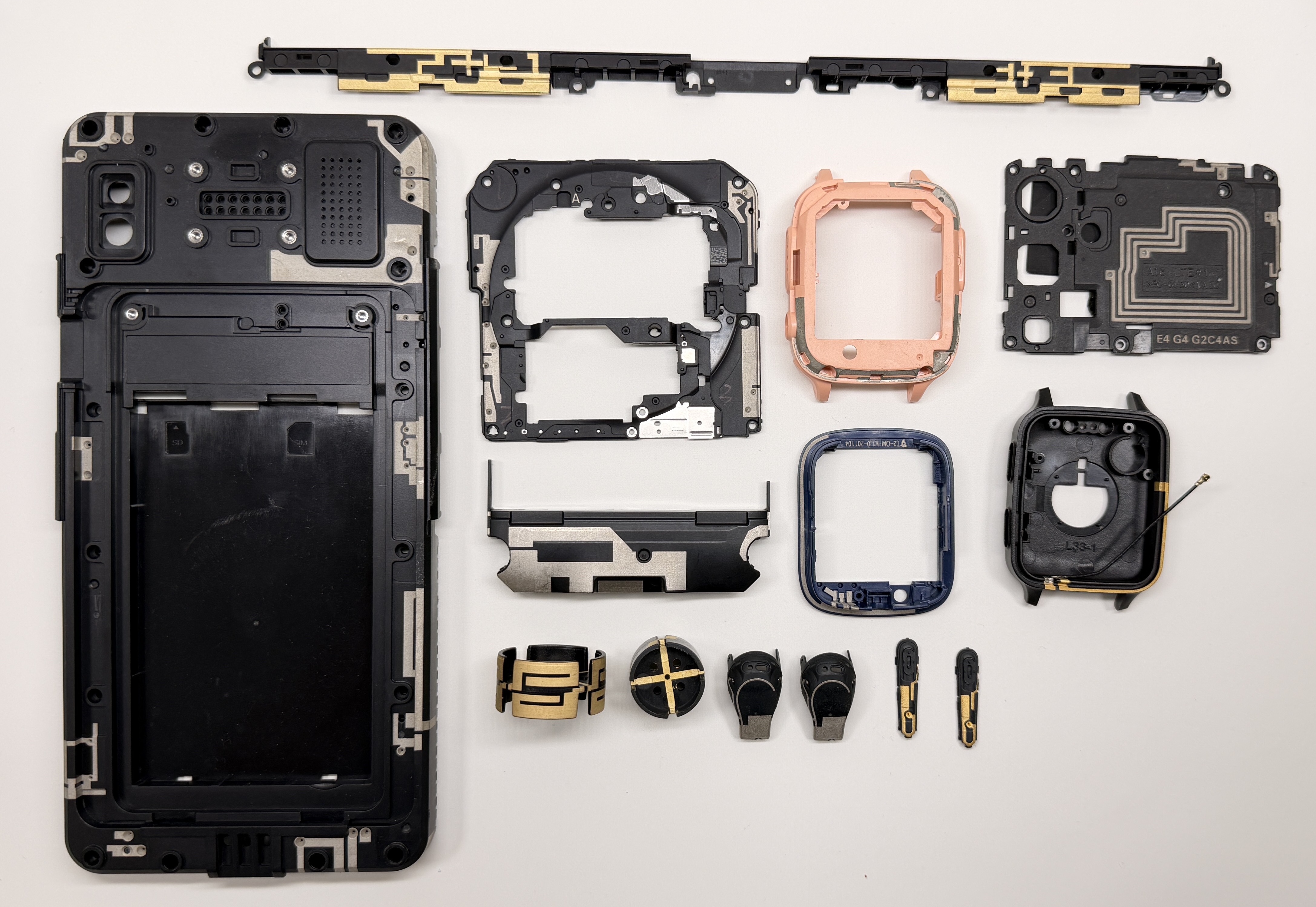
PCB antennas integrate the radiating element into a printed circuit board, making them a potential option for electronic products with defined board layouts and limited space for separate antenna components. The design can simplify component integration, provided the circuit layout and RF requirements are properly considered.
Qianmu provides antenna solutions for embedded wireless applications. Selecting a suitable design requires consideration of operating frequency, available board area, ground plane, enclosure materials, and the device’s target RF performance. These factors are best assessed during the hardware design stage to minimize avoidable layout changes during development.
Design and Integration Considerations
A PCB antenna uses a conductive pattern incorporated into the circuit board. Its geometry and electrical characteristics depend on the target frequency, available dimensions, and surrounding circuit structure.
Unlike an antenna mounted separately from the main board, this design is closely connected to PCB layout decisions. The radiating element, feed point, ground plane, and nearby components can all influence the final performance.
When evaluating an antenna for a new project, consider the following:
-
Frequency range: Define the required operating band and bandwidth according to the wireless application.
-
Board layout: Reserve adequate space for the antenna element and its recommended clearance area.
-
Ground plane: Assess the board’s ground structure and its effect on impedance and radiation.
-
Component positioning: Consider the proximity of batteries, displays, connectors, cables, and metal parts.
-
Impedance matching: Allow space for matching components and RF tuning during prototype testing.
-
Enclosure compatibility: Evaluate the effects of housing materials, mounting positions, and internal structures.
The antenna should be evaluated within the intended device configuration, since changes to the PCB or enclosure can affect RF behavior.
Typical Applications
Embedded antenna designs may be suitable for different wireless products when the frequency requirements, circuit layout, and installation conditions are compatible.
IoT and connected devices
Sensor nodes, smart home equipment, and other connected electronics may use board-integrated antennas when the PCB provides sufficient space and a suitable ground reference. The communication band and final enclosure should be considered during selection.
Wi-Fi and Bluetooth products
Wireless peripherals and compact electronic equipment may use an integrated antenna for short-range communication. Performance should be checked against the required frequency band and the RF targets of the finished product.
Wireless modules and control boards
Communication modules and electronic control systems may accommodate an antenna directly on the circuit board. The design needs to match the module layout, component placement, and intended operating environment.
Space-constrained electronics
For compact devices, the available antenna area must be assessed alongside batteries, displays, connectors, and other components. A small enclosure does not automatically mean that an integrated design will provide sufficient RF performance.
RF Performance and Validation
Antenna performance depends on the interaction between the radiating geometry, ground plane, feed structure, impedance matching, and surrounding materials. A design tested on an evaluation board may behave differently after installation in the finished product.
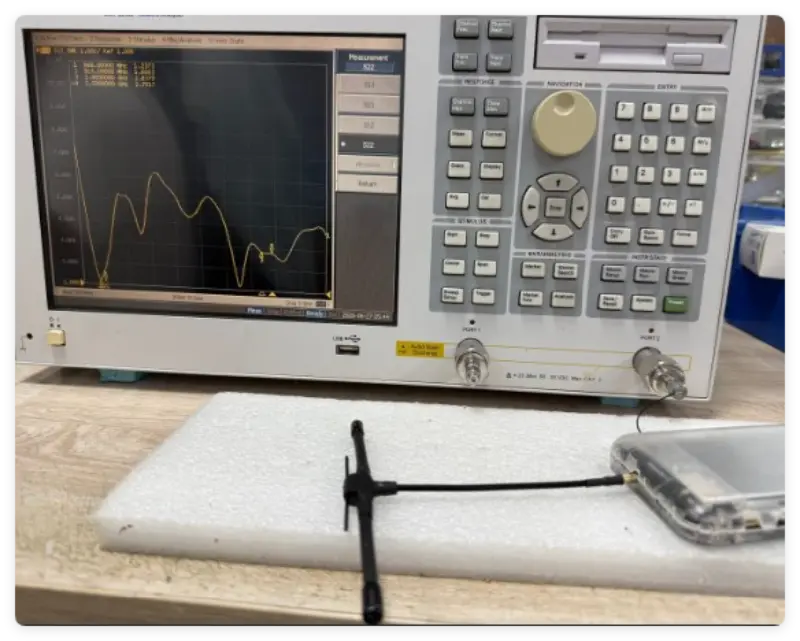
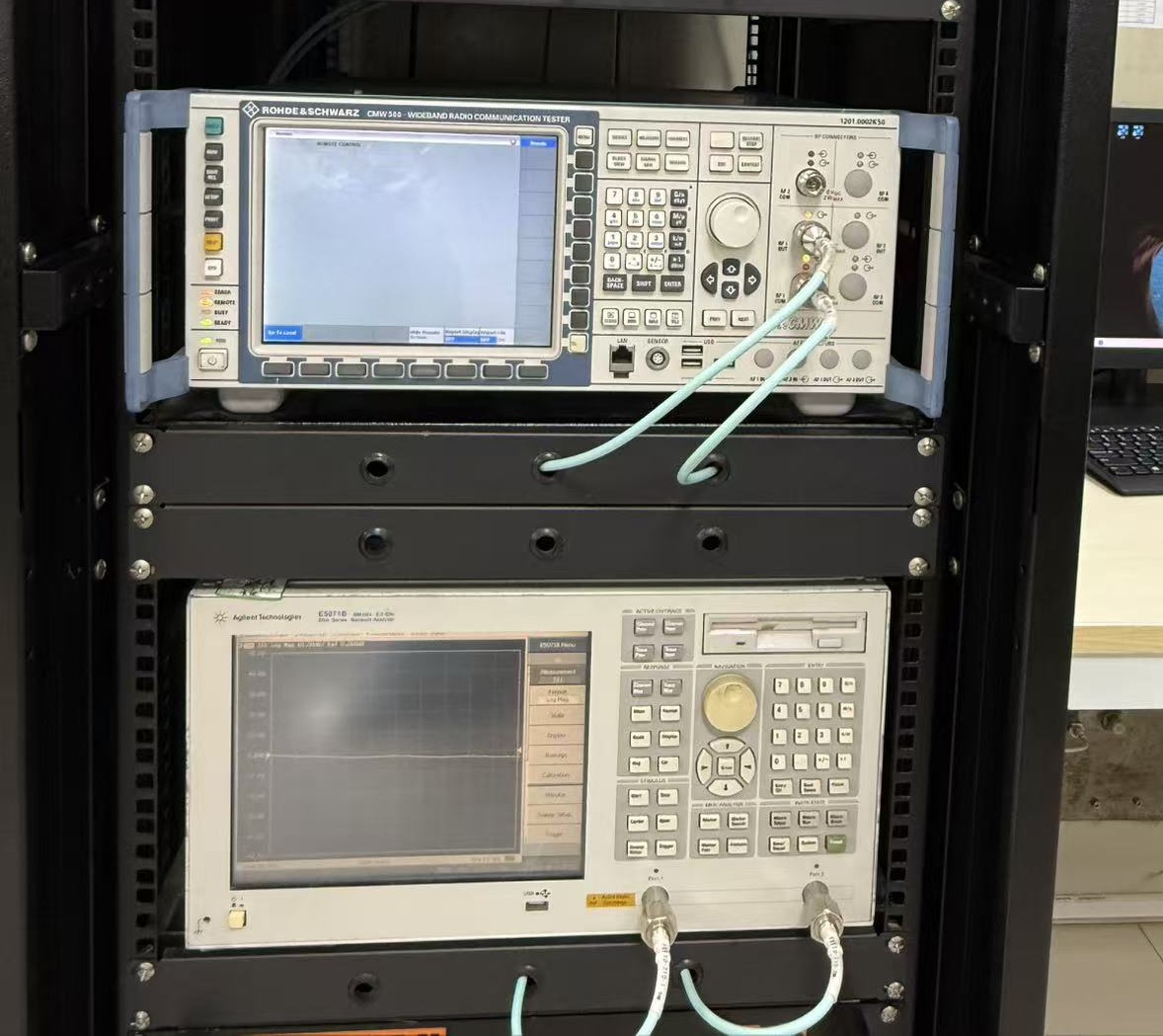
Prototype validation should therefore use a representative PCB layout and, where possible, the intended enclosure. Depending on the application, engineers may evaluate VSWR, impedance, gain, bandwidth, and radiation pattern against predefined acceptance criteria.
Early RF testing can help identify layout constraints before they become more expensive to correct during production preparation.
Information for Custom Projects
Providing clear technical requirements helps assess the feasibility of a custom design and identify potential integration issues early.
For an initial evaluation, prepare the following information where available:
-
Required frequency band and wireless protocol
-
PCB dimensions and available antenna area
-
Ground plane and feed-point information
-
Enclosure material and nearby component positions
-
Target RF parameters and test requirements
-
Prototype quantity and estimated production volume
If the circuit board is still being developed, antenna placement should be considered before the layout is finalized. This gives the hardware and RF teams an opportunity to coordinate the antenna area, ground structure, and surrounding components.
Where the main PCB cannot accommodate the required antenna structure, an alternative configuration may be worth evaluating. The final choice should reflect the device’s mechanical constraints, RF targets, and manufacturing requirements.
- View as
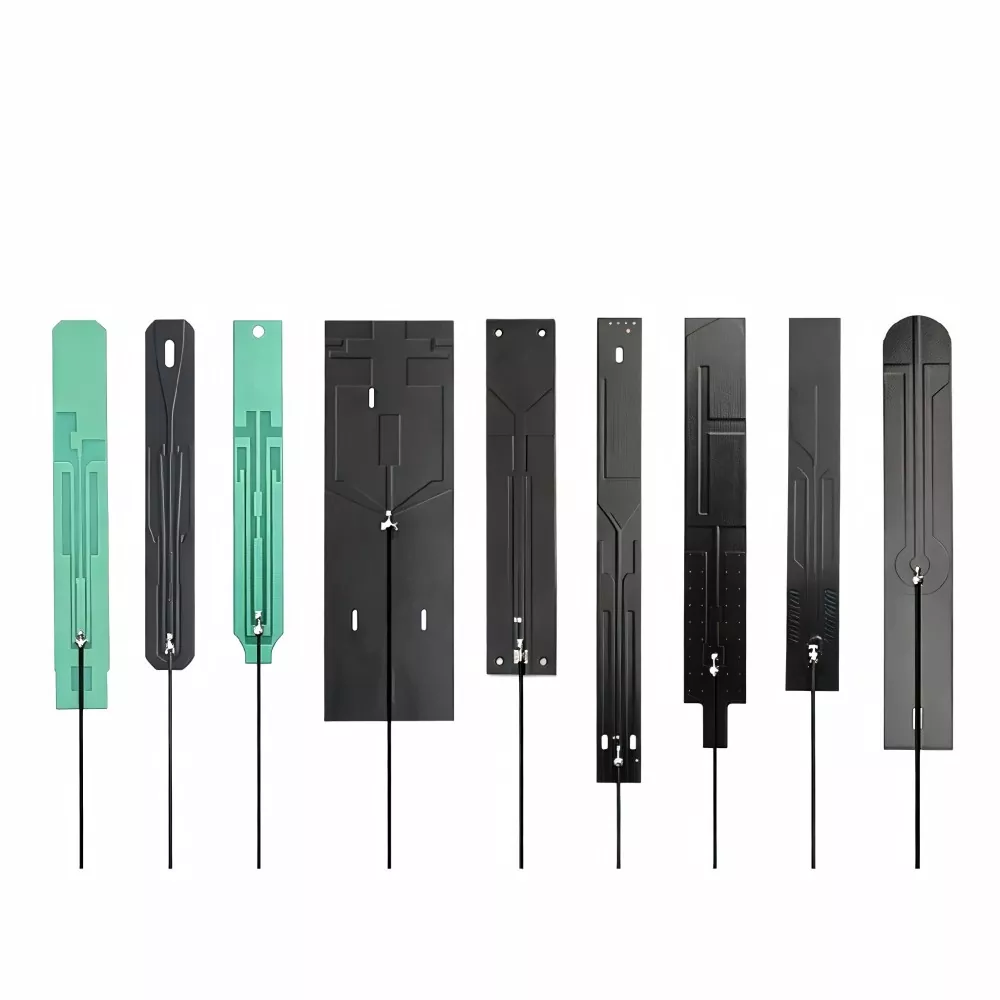
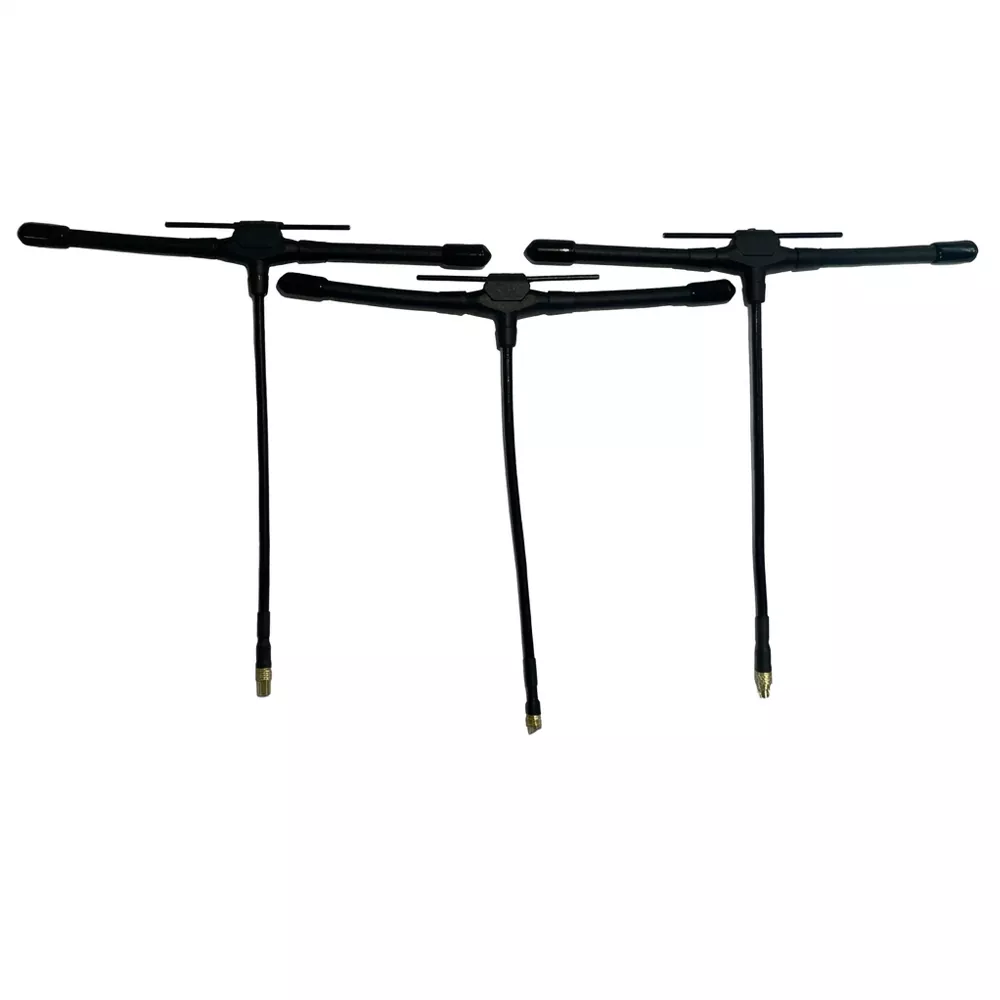
Rigid PCB Antenna
Shenzhen Qianmu Communication Technology Co., Ltd. is a trusted China rigid PCB antenna supplier and manufacturer, providing original-source solutions for bulk orders and custom projects. We specialize in standard and customized built-in antennas for 2.4G, 5.8G, WiFi, Bluetooth, LTE, and LoRa applications, backed by professional OEM/ODM support.
Qianmu is a professional PCB Antenna manufacturer and supplier in China. Welcome to import quality products from our factory here.
News Recommendations