Professional Internal Antenna for Enhanced Signal Reception
Modern wireless devices are becoming smaller, thinner and more intelligent, creating higher requirements for antenna design inside limited product spaces. Internal Antenna solutions are developed to integrate directly into electronic devices, providing stable wireless signal transmission while maintaining compact product structures and clean appearance.
Qianmu Communication provides customized internal antenna solutions for consumer electronics, IoT terminals, smart devices, industrial equipment and communication products. With professional RF design capability and manufacturing experience, Qianmu helps customers optimize antenna performance according to device structure, frequency requirements and application environments.
Compared with external antenna solutions that require additional installation space, internal designs allow manufacturers to achieve better product integration, simplified assembly and improved appearance. Through RF simulation, impedance matching and performance testing, Qianmu develops antenna solutions that balance signal quality, mechanical design and production efficiency.
Compact Antenna Design for Space-Limited Wireless Devices
For many modern electronic products, available internal space is extremely limited. The antenna must work efficiently while sharing space with batteries, circuit boards, displays and other components.
Poor antenna integration may lead to:
· Reduced signal strength
· Unstable wireless connection
· Frequency deviation
· Difficult product assembly
A properly designed internal antenna can overcome these challenges by optimizing the antenna layout according to the device structure.
Qianmu engineers consider multiple factors during development:
· PCB layout conditions
· Housing material impact
· Component interference
· Required communication bands
· Installation position
The result is a reliable wireless solution that fits seamlessly into the final product design.
Main Advantages
Space-Saving Integration
Internal antennas are widely used in products where appearance and size are important.
Typical applications include:
· Smartphones
· Tablets
· Wearable devices
· Smart home products
· Portable terminals
By embedding the antenna inside the device, manufacturers can maintain a compact design without adding external components.
Stable Wireless Performance
Miniaturized devices often require antennas to support multiple communication functions, including:
· WiFi
· Bluetooth
· GPS/GNSS
· 4G LTE
· 5G Sub-6GHz
· NFC
Qianmu optimizes antenna structure and RF parameters to improve:
· Signal stability
· Radiation efficiency
· Frequency matching
· Communication reliability
Customized Design for Different Products
Every wireless device has different structural limitations.
Qianmu provides customized development based on:
· Product dimensions
· Communication module
· Operating frequency
· Installation position
· Material requirements
This allows the antenna to become an integrated part of the device instead of a separate component.
Product Categories
Qianmu provides different internal antenna structures according to application requirements.
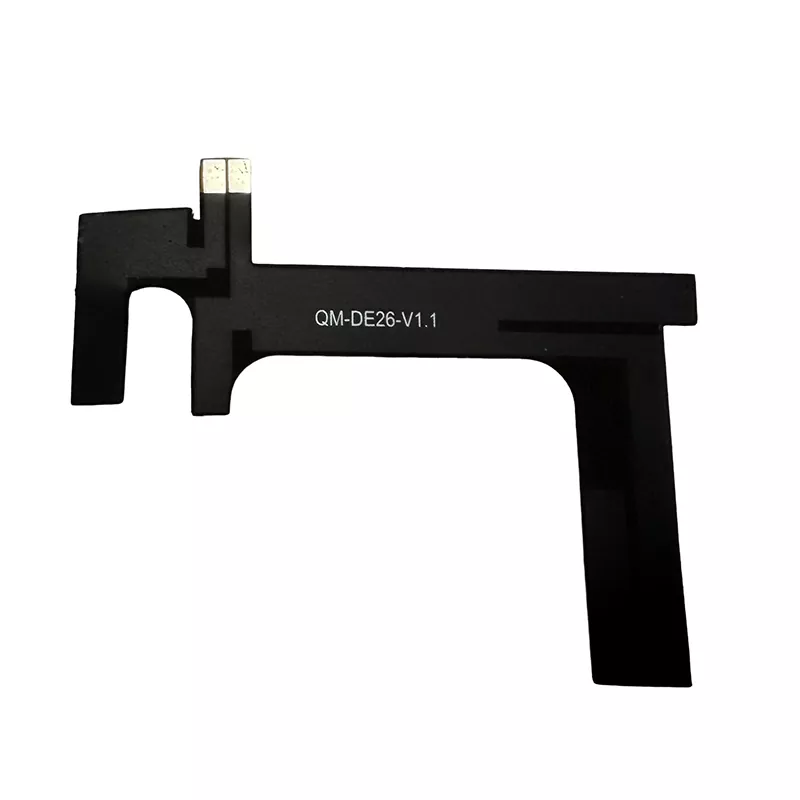
FPC Antenna
FPC Antenna uses flexible printed circuit technology, allowing the antenna to be installed in curved or compact spaces.
It is commonly used in:
· Wearable devices
· Smart terminals
· Portable electronics
· IoT equipment
Key advantages include:
· Flexible installation
· Lightweight structure
· Easy integration
· Suitable for complex internal layouts
For products with limited space or irregular housing structures, FPC solutions provide excellent design flexibility.
PCB Antenna
PCB Antenna is directly integrated into the printed circuit board, reducing additional antenna components and simplifying product assembly.
Applications include:
· Wireless modules
· Smart home devices
· IoT controllers
· Embedded communication equipment
Advantages include:
· Lower assembly complexity
· Compact design
· Cost-effective mass production
· Good consistency in large-volume manufacturing
Qianmu engineers optimize PCB antenna layout according to the circuit design and RF requirements to achieve stable performance.
Technical Specifications
Qianmu develops internal antenna solutions according to different wireless standards and device requirements.
|
Parameter |
Details |
|
Frequency Range |
Customized for WiFi, Bluetooth, GNSS, NFC, 4G LTE, 5G and IoT applications |
|
Antenna Type |
FPC Antenna, PCB Antenna, embedded customized antenna |
|
Impedance |
50Ω |
|
Gain |
Customized according to device requirements |
|
Polarization |
Linear polarization or customized |
|
Cable Option |
IPEX, MMCX and customized RF connection solutions |
|
Material |
Flexible PCB, copper, FR4 PCB and customized materials |
|
Installation Method |
Adhesive mounting, PCB integration, structural fixing |
|
Application Environment |
Consumer electronics, industrial equipment, IoT devices |
|
Customization |
Size, frequency, connector, structure and performance adjustment |
Application Areas
Consumer Electronics
Small electronic products require antennas that provide reliable wireless connectivity without affecting product appearance.
Applications include:
· Tablets
· Smart watches
· Wireless earbuds
· Portable devices
Internal integration helps manufacturers achieve compact designs while maintaining stable wireless functions.
Internet of Things (IoT)
IoT devices often require long-term operation with limited maintenance.
Applications include:
· Smart sensors
· Smart meters
· Tracking devices
· Environmental monitoring equipment
Customized internal antenna designs help improve communication reliability in distributed IoT networks.
Smart Home Devices
Smart home products rely on stable wireless communication between multiple devices.
Applications include:
· Smart locks
· Smart speakers
· Lighting controllers
· Home automation systems
Internal antenna optimization helps reduce signal loss caused by compact housing structures.
Industrial Equipment
Industrial devices require antennas that can operate reliably in complex environments.
Applications include:
· Industrial controllers
· Wireless gateways
· Data collection terminals
Qianmu considers electromagnetic interference, equipment structure and operating conditions during antenna development.
How Qianmu Develops Customized Internal Antenna Solutions
A successful internal antenna requires cooperation between RF design and product structure.
Qianmu provides:
RF Simulation and Design
Engineers analyze:
· Antenna placement
· Radiation characteristics
· Frequency performance
· Structural influence
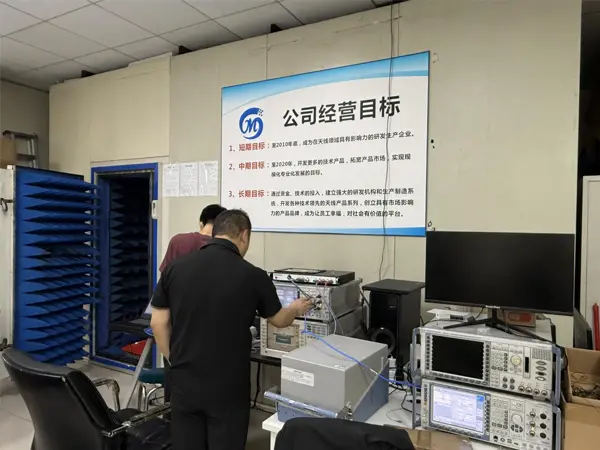
Prototype Verification
Sample antennas are tested and adjusted according to actual device conditions.
Testing includes:
· Frequency measurement
· Gain testing
· VSWR testing
· Radiation performance evaluation
Mass Production Support
After verification, Qianmu provides stable production processes to ensure consistency between samples and bulk orders.
Why Choose Qianmu as Your Internal Antenna Supplier?
Experienced RF Development Team
Since 2009, Qianmu Communication has focused on antenna R&D and manufacturing, supporting customized projects across different wireless industries.
The engineering team has experience in:
· Antenna matching optimization
· Structural adaptation
· Signal improvement
· Customized product development
Complete Manufacturing Process
Qianmu controls the entire production process, including:
· Material inspection
· Antenna forming
· Assembly
· RF debugging
· Performance testing
· Final inspection
This helps ensure consistent quality for global customers.
Customized Solutions for Global Markets
As an experienced Internal Antenna manufacturer and supplier in China, Qianmu supports OEM and customized antenna projects for customers requiring specific frequency bands, structures and application requirements.
FAQ
1. What is an Internal Antenna?
It is a wireless antenna installed inside electronic equipment to provide signal transmission while saving external installation space.
2. What products commonly use internal antennas?
They are widely used in smartphones, wearable devices, IoT products, smart home equipment, industrial terminals and wireless communication devices.
3. What is the difference between FPC Antenna and PCB Antenna?
FPC solutions provide greater flexibility for irregular spaces, while PCB solutions are integrated directly into circuit boards and are suitable for high-volume electronic products.
4. Can Qianmu customize antenna dimensions and frequency?
Yes. Qianmu can customize antenna size, frequency range, connector type, cable configuration and installation method according to product requirements.
5. How do you improve antenna performance inside a device?
Engineers optimize antenna position, RF matching, material selection and simulation results to reduce interference and improve signal efficiency.
6. Does Qianmu provide samples before mass production?
Yes. Prototype samples and performance verification are available before bulk manufacturing.
7. What information is needed for antenna development?
Customers can provide:
· Product structure
· Wireless module information
· Frequency requirements
· Installation space
· Application environment
This allows engineers to recommend a suitable antenna solution.
- View as
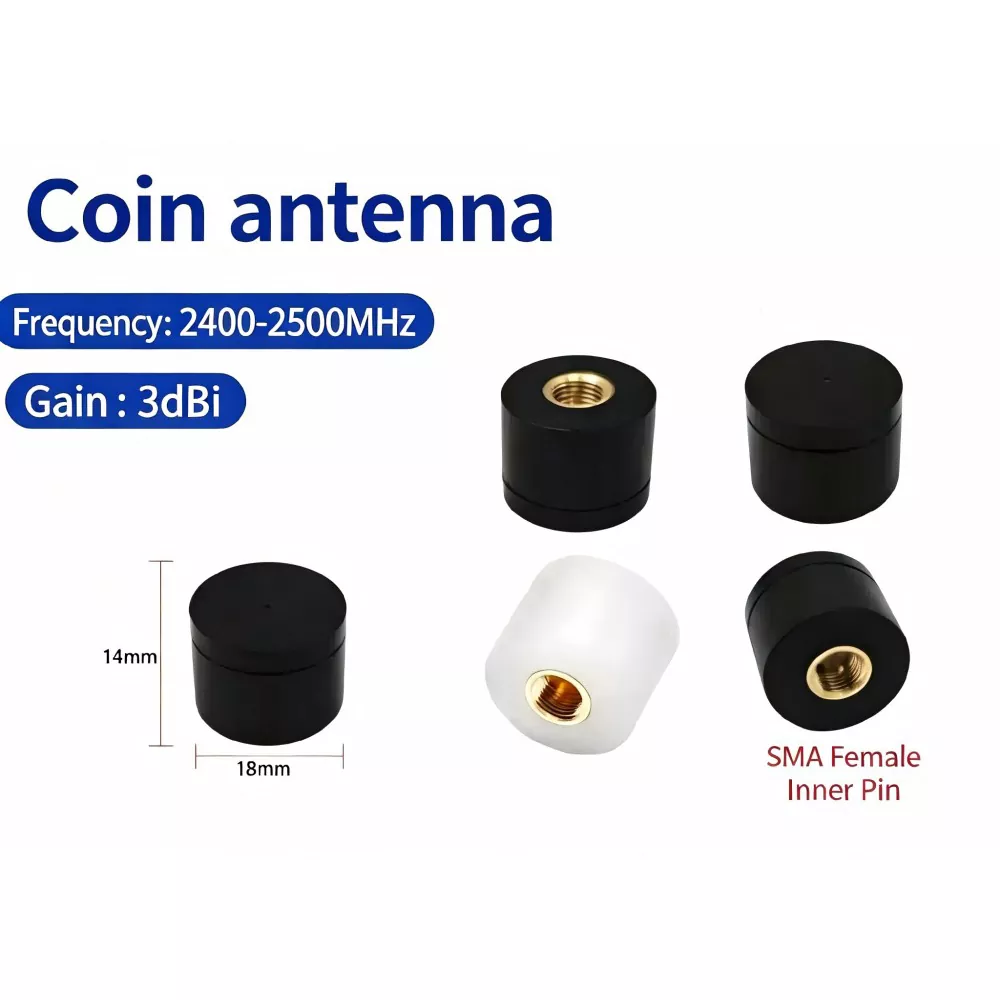
Coin Antenna
Shenzhen Qianmu Communication Technology Co., Ltd. is a professional China coin antenna Manufacturer based in Shenzhen, with its own integrated Factory for injection molding and RF assembly. This mini button stick antenna covers both 2.4G/5.8G bands and supports multiple protocols such as WiFi, Bluetooth and ZigBee.
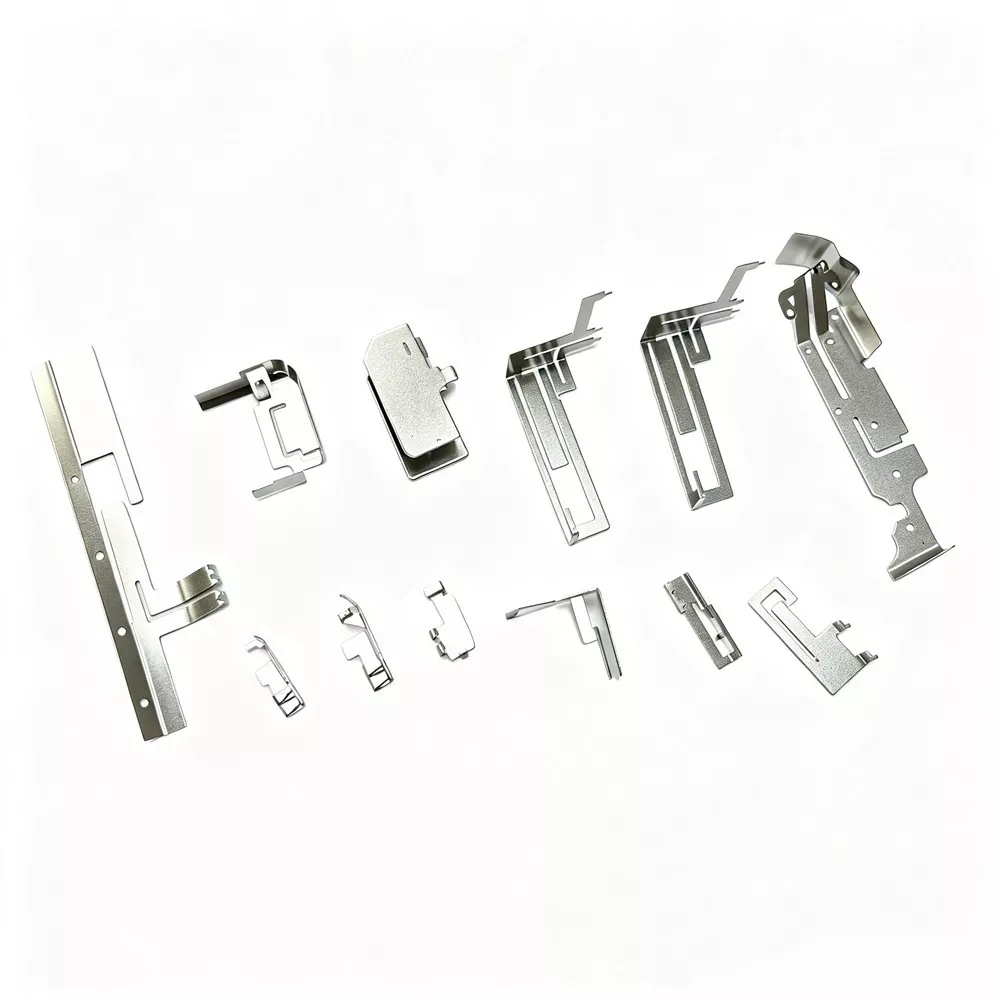
PIFA Antenna
As a professional PIFA antenna manufacturer and source factory in China, Qianmu Communication focuses on providing reliable antenna solutions with independent production capabilities. It mainly deals in two types of built-in high-frequency antennas: spring PIFA antennas and single FPC PIFA antennas. The products are widely used in 4G, 5G, WiFi, Bluetooth, IoT, smart home, vehicle-mounted devices, and industrial communication terminals.
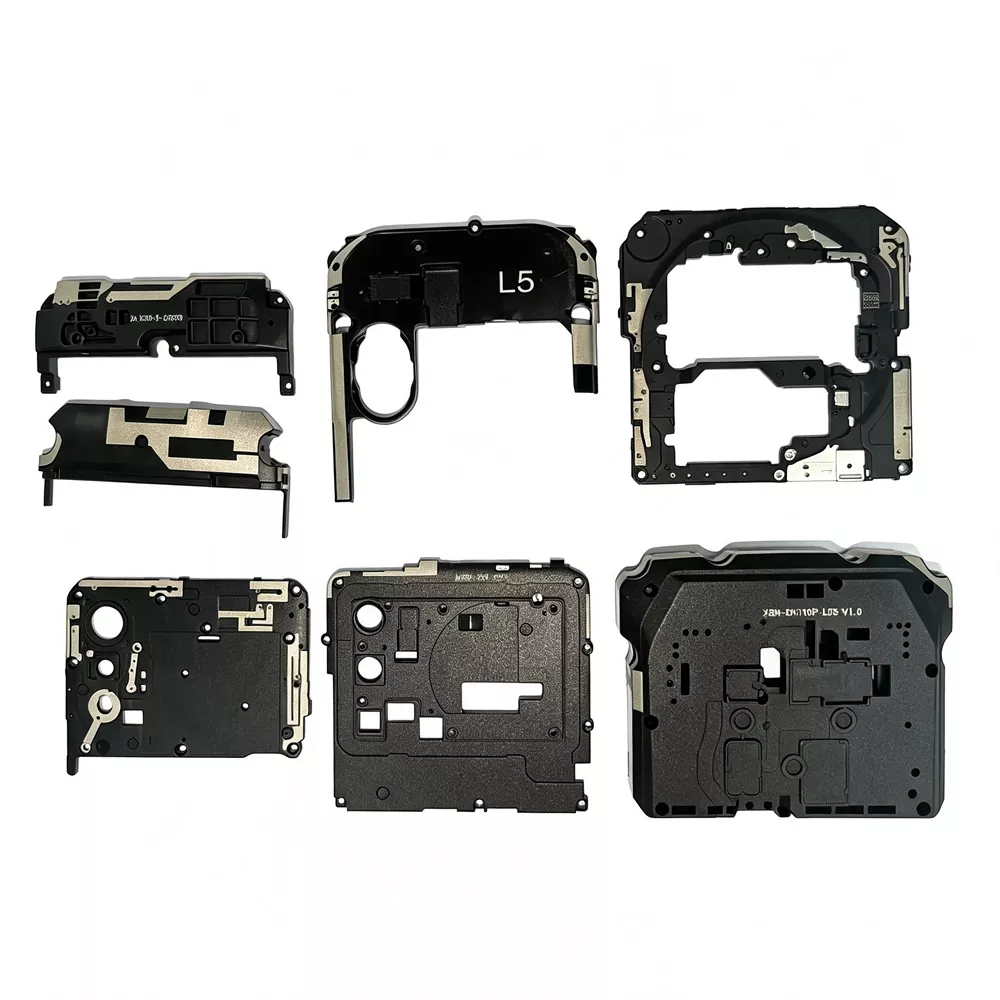
LDS Antenna
Looking for a reliable LDS Antenna Supplier in China? Shenzhen Qianmu Communication Technology is a professional manufacturer dedicated to high-quality 3D laser antennas. Direct from our factory, we offer cost-effective, space-saving antenna solutions with fast prototyping. Choose a verified China factory for your next antenna project and ensure top-tier RF performance.
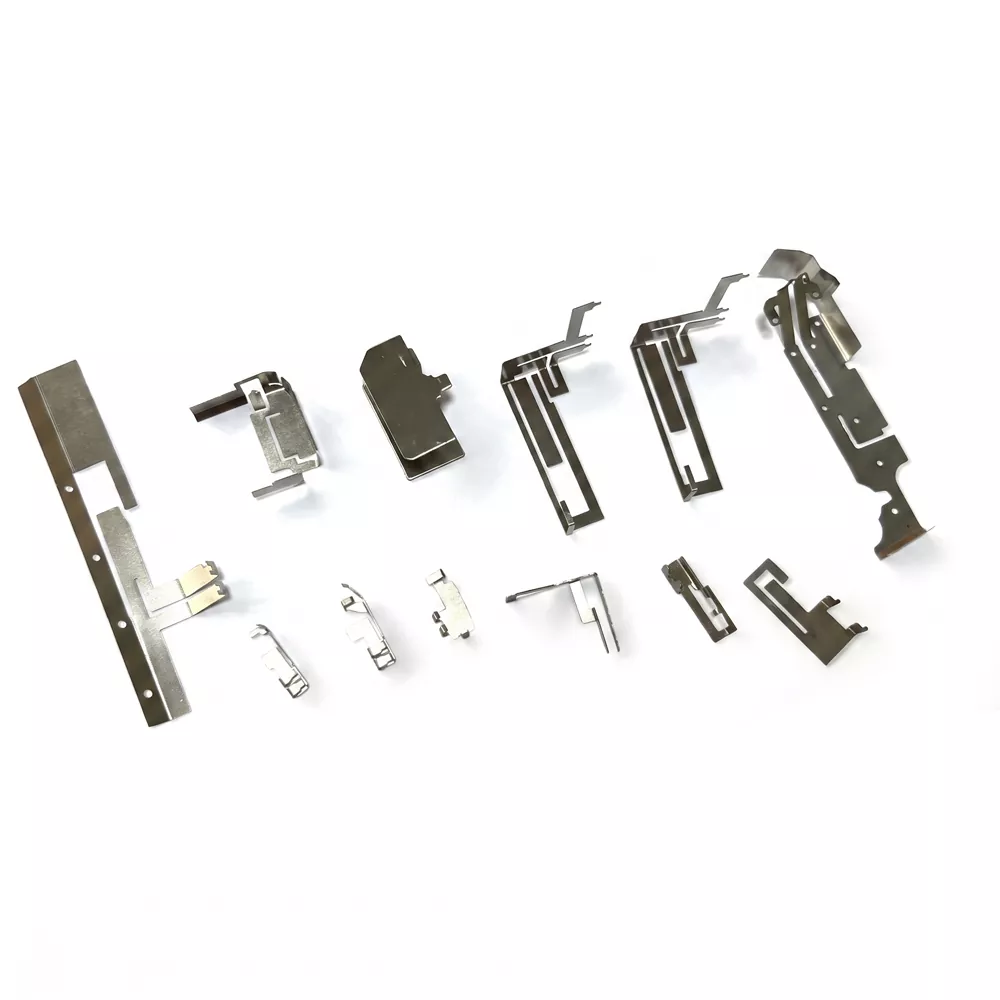
Metal Stamp Antenna
Qianmu Communication is a manufacturer of Metal Stamp Antenna solutions for wireless communication devices. The company provides OEM/ODM services, including custom mold development, and supports SMT-compatible designs for automated assembly. The antennas feature high-conductivity metal contacts and elastic contact structures designed for stable electrical connection across various wireless applications.
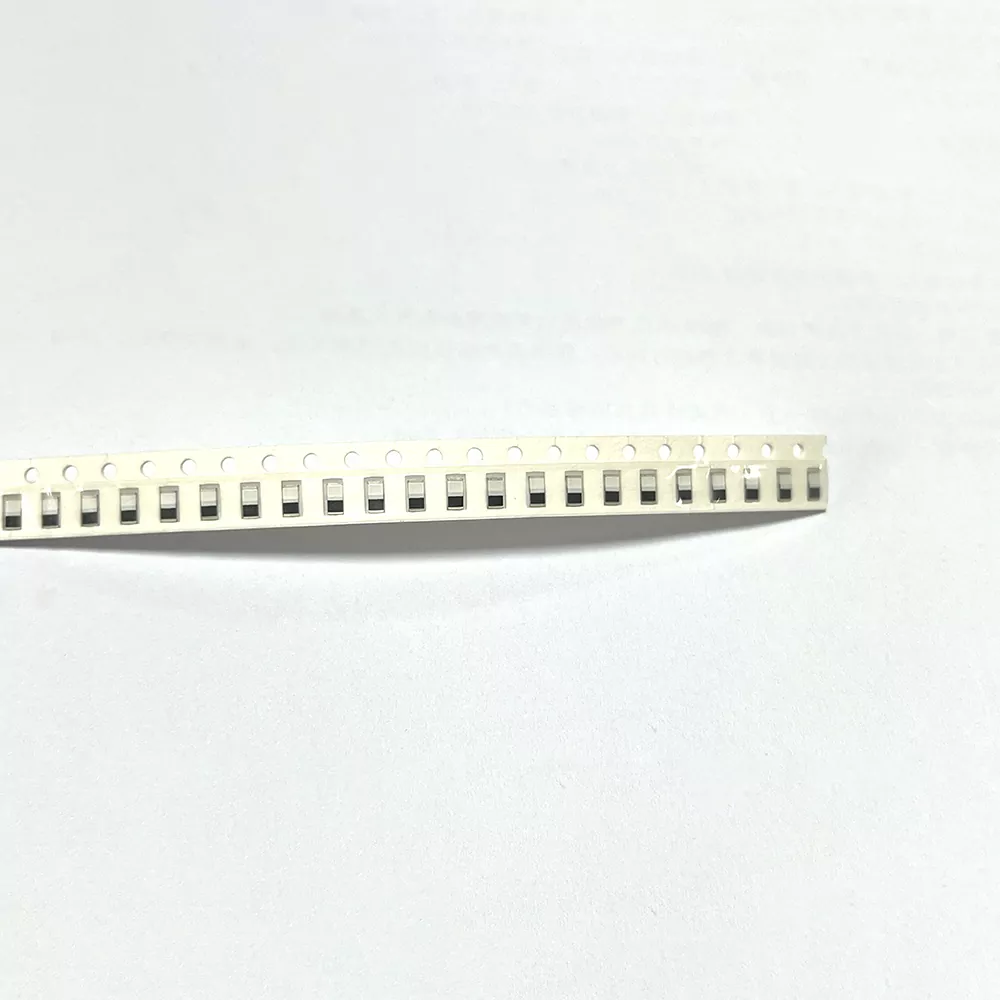
Ceramic Patch Antenna
Backed by strong expertise in wireless communication technology, Qianmu Communication is a China-based Bluetooth ceramic patch antenna manufacturer, original factory, and global supplier, specializing in the R&D, production, and customization of antenna solutions. The company focuses on overcoming common challenges of traditional Bluetooth antennas, including weak signal performance, interference susceptibility, high power consumption, and large form factors.
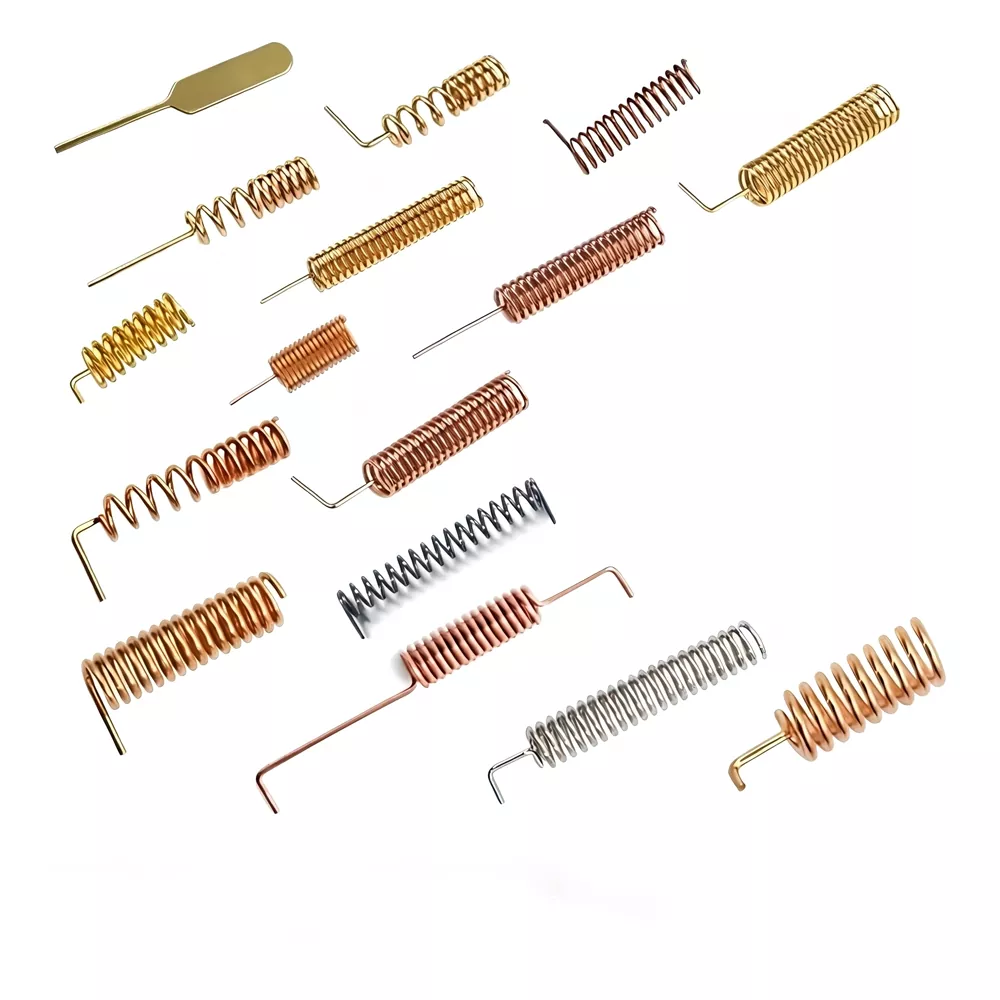
Spring Antenna
As a professional Supplier, Qianmu Communication offers customized high-precision helical spring antenna services. Made from premium materials.Carbon steel nickel-plated Made of phosphor bronze, it boasts exceptional conductivity and corrosion resistance. We are trustworthy.China ManufacturerWe offer a one-stop solution ranging from prototyping to mass production, widely used in IoT, remote controls, and wireless communication modules.
Qianmu is a professional Internal Antenna manufacturer and supplier in China. Welcome to import quality products from our factory here.