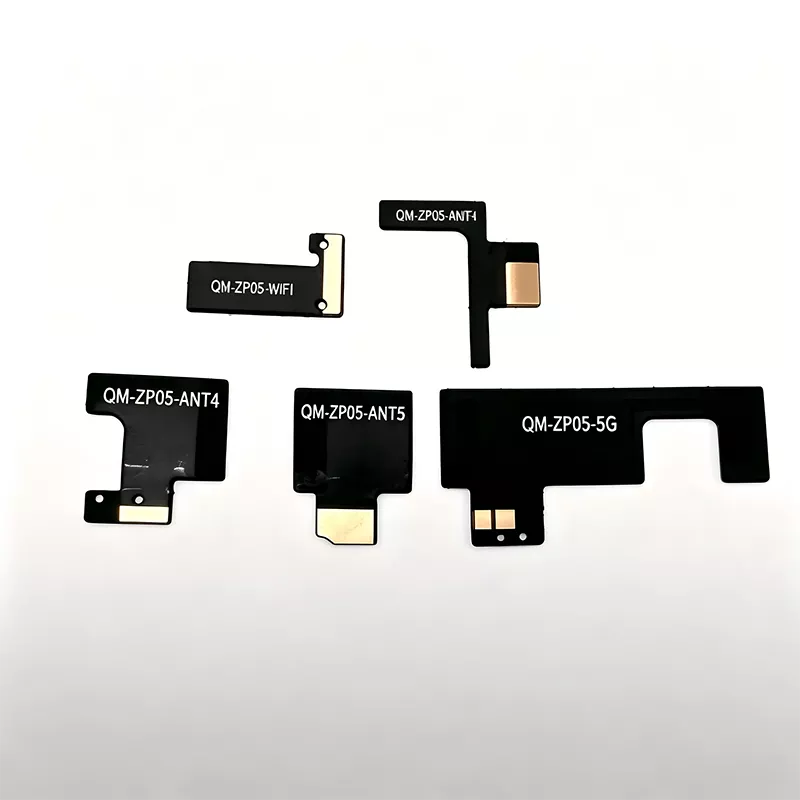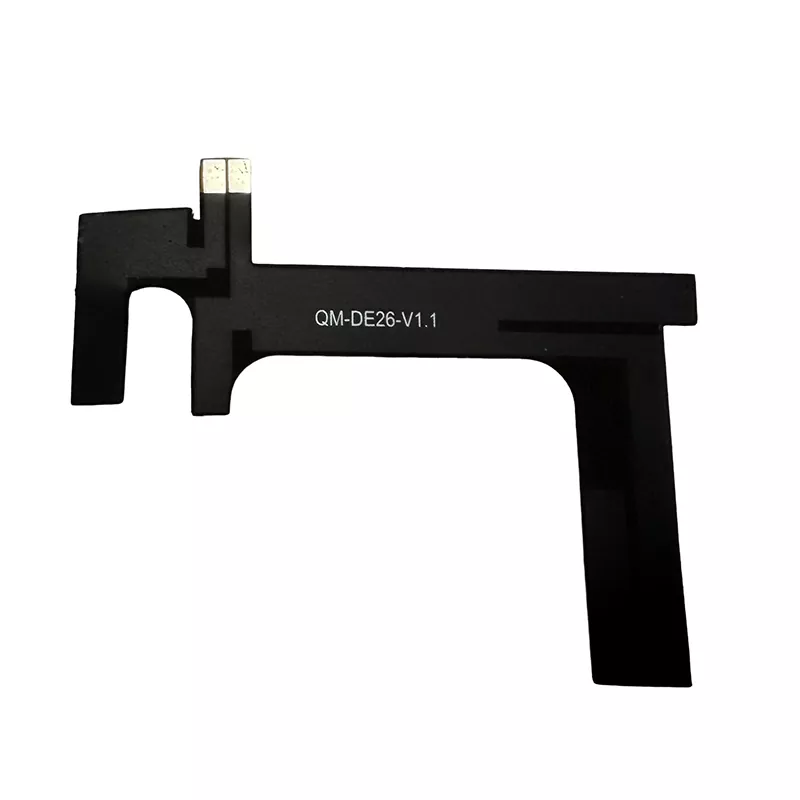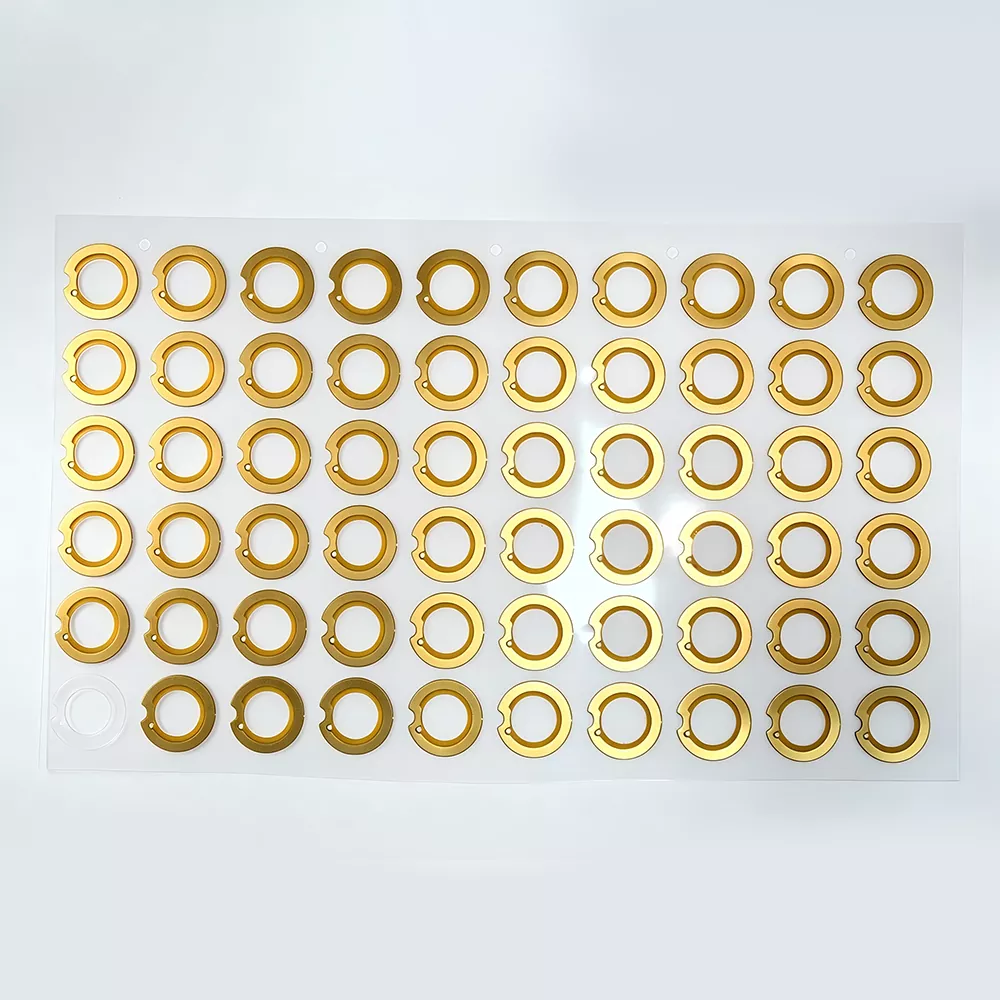
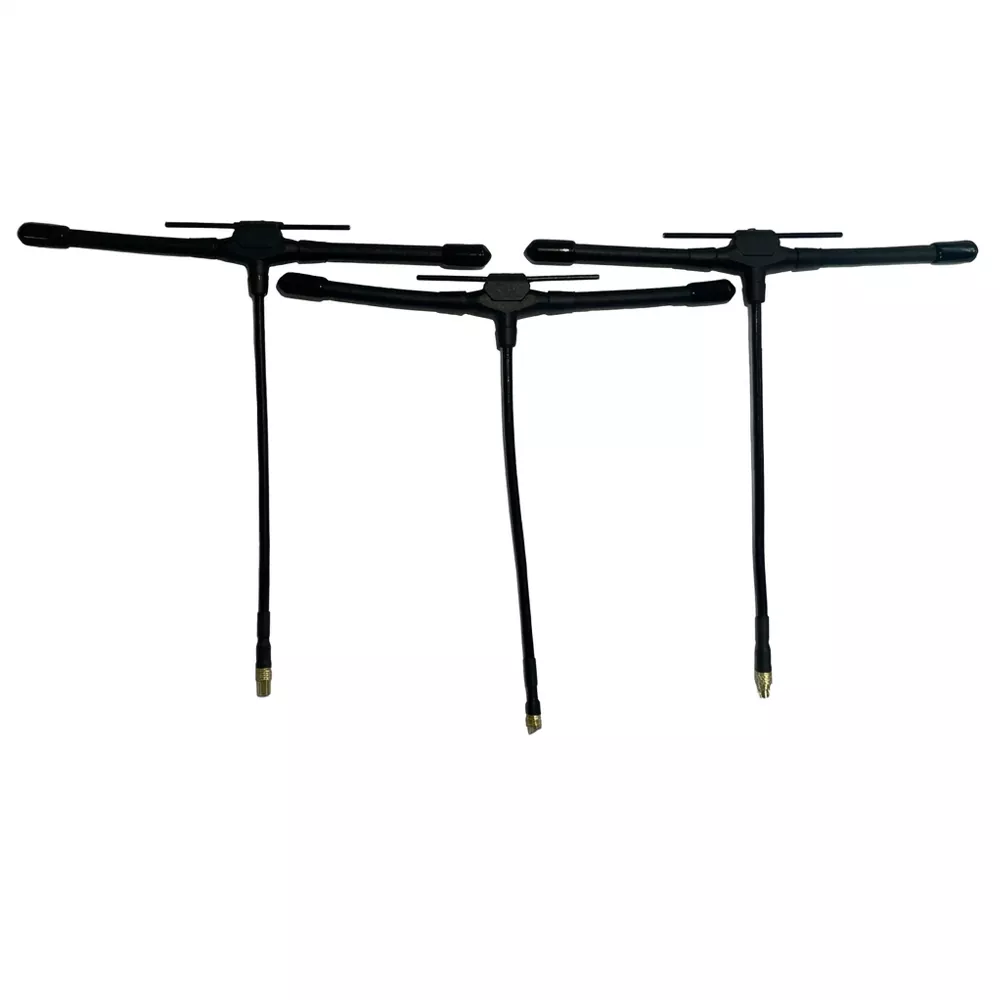
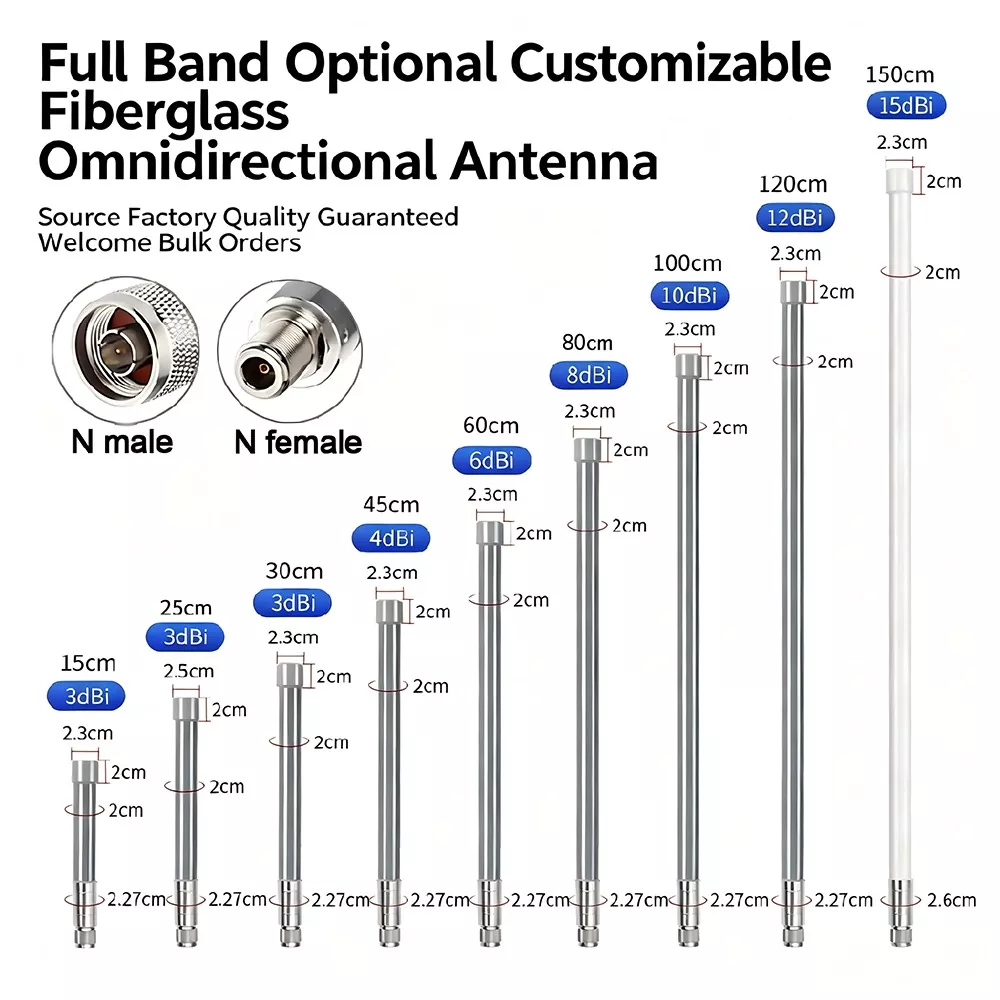
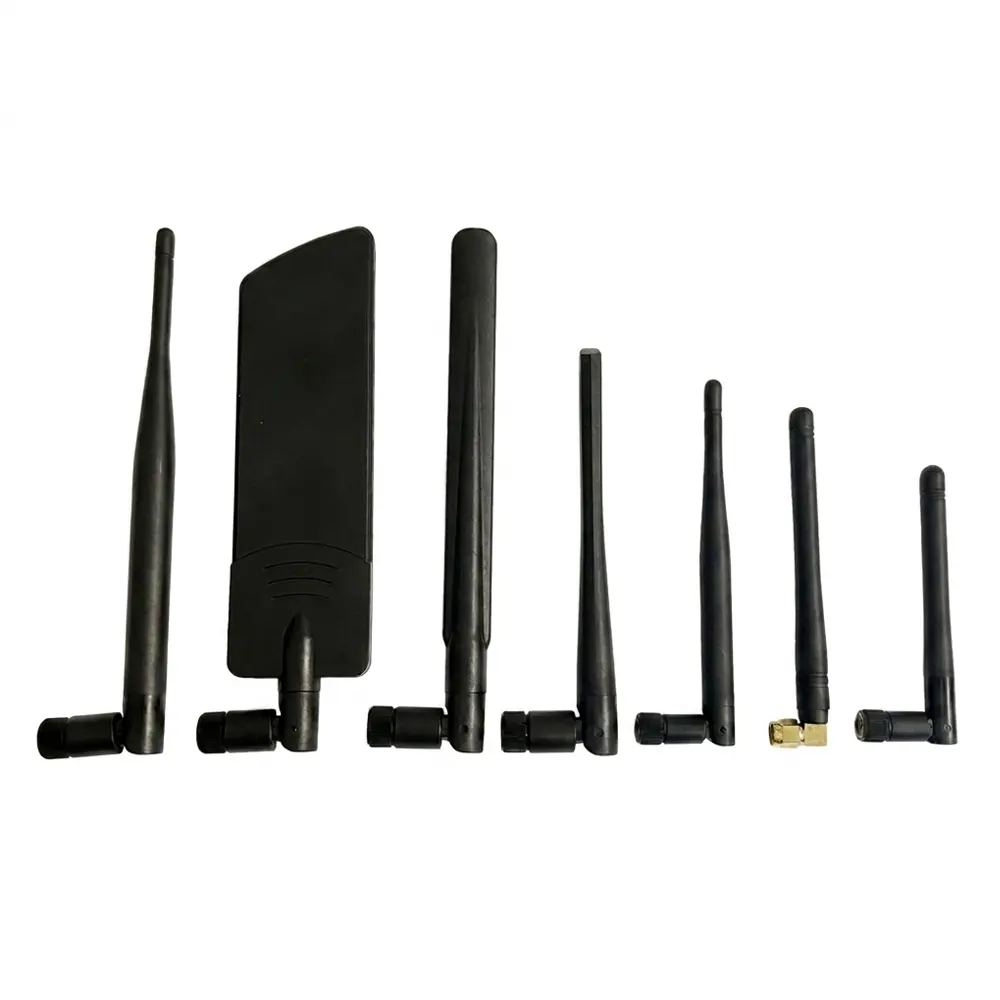

Body Cam GPS Antenna
Shenzhen Qianmu Communication Technology Co., Ltd. is a professional China manufacturer, supplier, and factory dedicated to the research, development, and production of Body Cam GPS antennas. Our focus lies in manufacturing industrial-grade GNSS ceramic antennas specifically designed for 4G/5G body-worn law enforcement devices, explosion-proof evidence collection terminals, firefighting and municipal patrol equipment, and overseas body-worn cameras. As a direct original manufacturer, we serve as a dependable, long-term supply source for law enforcement equipment manufacturers both domestically and internationally.
What is a Body Cam GPS Antenna
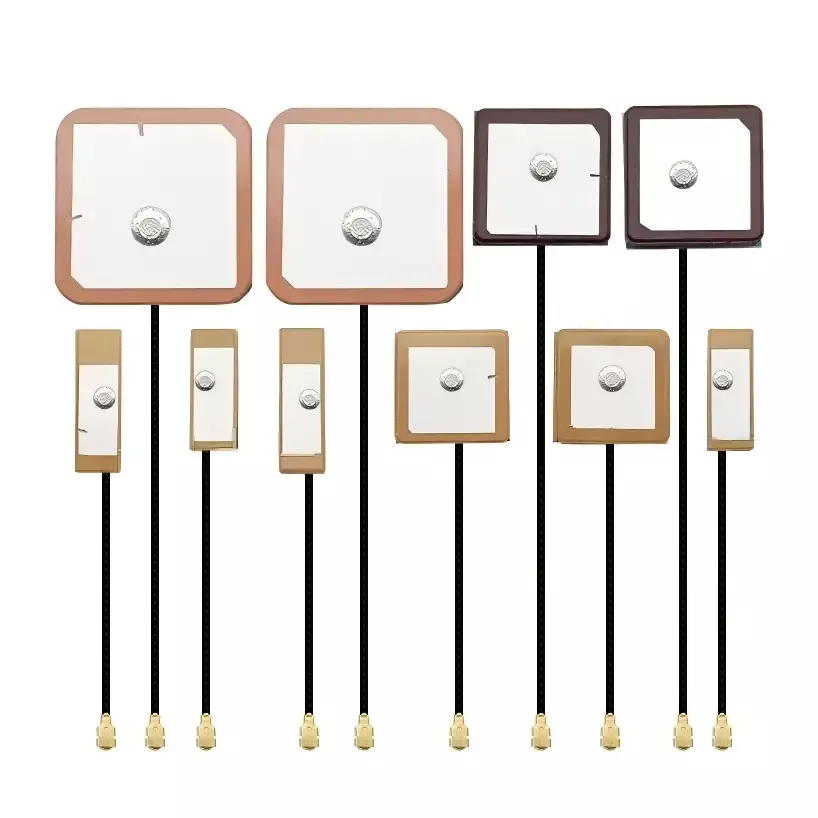
The Body Cam GPS Antenna is an industrial-grade GNSS ceramic patch antenna specifically designed for single-soldier law enforcement evidence collection terminals. It is compatible with multiple satellite systems including GPS, BeiDou, GLONASS, and Galileo, and features a right-hand circular polarization (RHCP) structure to adapt to the polarization characteristics of global satellite navigation signals.
With a robust ceramic antenna design, it offers excellent directivity and strong environmental adaptability. Even under challenging conditions such as body-worn obstructions, metal shielding from equipment, urban building blockage, or high-speed mobile operations, it delivers stable positioning data. This ensures accurate and traceable geolocation watermarks for audiovisual law enforcement recordings, enabling the establishment of a complete and compliant evidentiary chain.
Working Principle
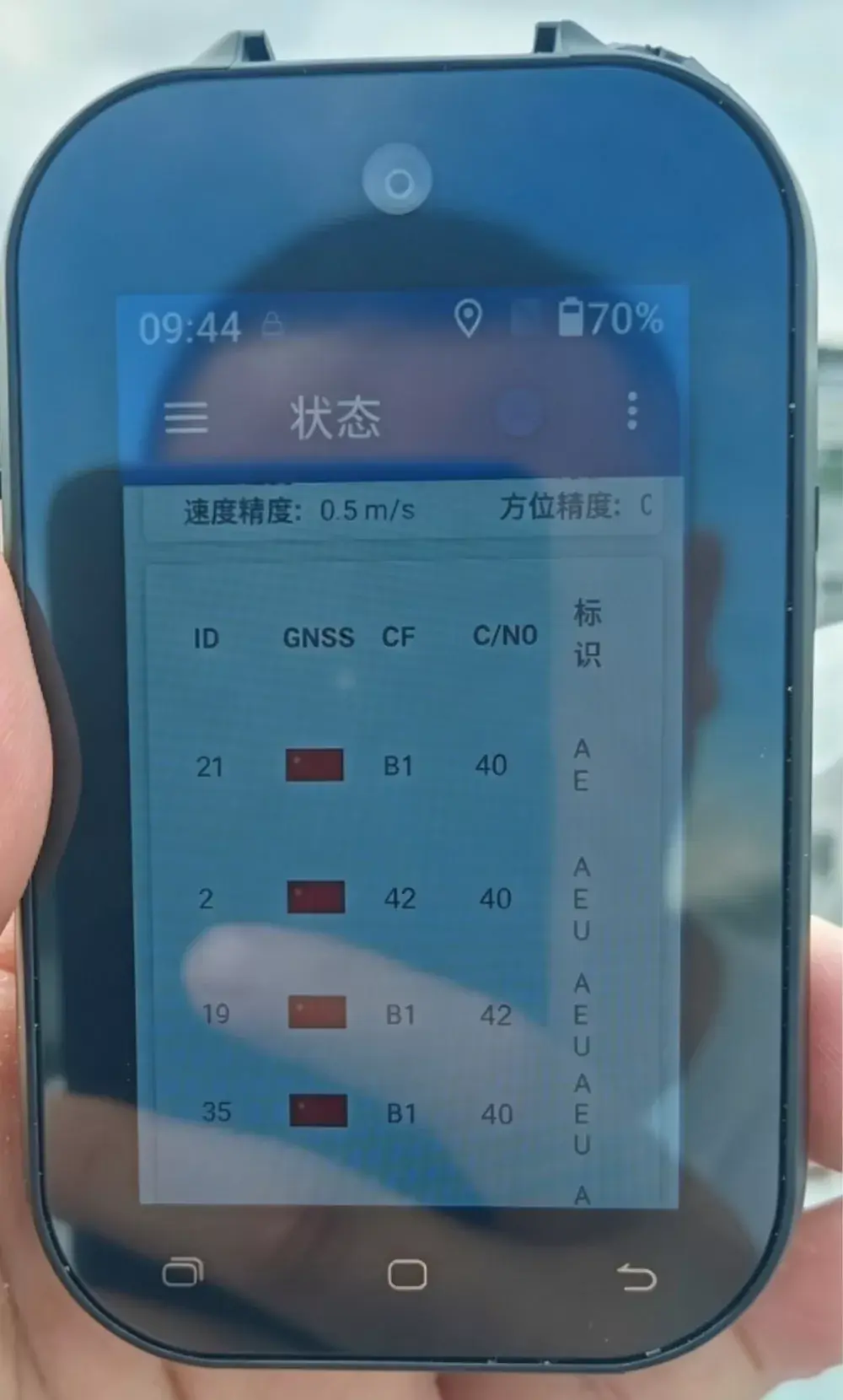
The Body Cam GPS Antenna operates based on professional satellite navigation RF reception principles. The entire workflow has been verified through both laboratory anechoic chamber testing and real-world outdoor field testing, ensuring clear operational logic and stable performance. It primarily consists of three core components:
1. Satellite Signal Acquisition: The product features a core high-dielectric ceramic dielectric chip that efficiently captures L1-band satellite navigation signals in the air. With a dedicated right-hand circular polarization design, it effectively mitigates signal attenuation caused by device rotation or human body obstruction, solving common issues such as poor signal reception and failed satellite acquisition in urban areas with dense buildings or mountainous and remote regions where multipath reflections are prevalent.
2. Signal Filtering and Anti-Interference: The antenna features an integrated precision impedance matching circuit that automatically filters out noise interference generated by the 4G/5G module, Wi-Fi module, and battery power supply within the body camera. It isolates pure GNSS satellite signals, effectively eliminating positioning anomalies, jumping points, and trajectory interruptions caused by internal RF crosstalk.
3. Data parsing and output: The filtered and optimized stable satellite signal is transmitted to the device's mainboard positioning chip, which in real time parses precise latitude and longitude, speed, time, and altitude data. This information is simultaneously synchronized as geolocation watermarks for recorded video and audio files during law enforcement operations, enabling full tracking, traceability, and replay of enforcement trajectories.
Compatible devices
This Body Cam GPS Antenna is fully compatible with mainstream domestic and international single-soldier evidence collection, outdoor inspection, and explosion-proof law enforcement devices, covering all scenarios including government and enterprise projects, industrial safety, and export trade.
• Public Security and Traffic Police 4G/5G High-Definition Law Enforcement Body Camera
• BodyCam terminal for urban management, road administration, and fire department audiovisual evidence collection
• Explosion-proof Intrinsically Safe Law Enforcement Recorder for Chemical and Mining Applications
• Power inspection, railway patrol, and field operation single-person recording terminal for petrochemical industry
• Multi-band Body-Worn Camera for Overseas Foreign Trade
Core Product
To address the challenges posed by outdoor operating conditions, severe internal interference, and harsh environments for law enforcement equipment, our ceramic GPS antenna outperforms standard antennas on the market in terms of material, manufacturing process, structure, and performance, offering the following key differentiating advantages:
1. High-gain ceramic dielectric with excellent anti-obstruction capability
Equipped with high-precision, high-dielectric constant ceramic chips, the signal reception sensitivity is significantly higher than that of traditional FPC flexible antennas. It can stably capture satellite signals under challenging conditions such as human body obstruction, metal casing shielding, or blockage by tall buildings and mountains, effectively resolving issues of frequent positioning drift and trajectory loss during law enforcement in urban alleys and mountainous outdoor environments.
2. Industrial-grade wide-temperature material, suitable for all climates and harsh environments
By abandoning conventional civilian ceramic materials and adopting industrial high-temperature sintered ceramic substrates, the device can operate stably across extreme temperatures ranging from -40°C to +75°C. It withstands harsh conditions such as intense summer sun exposure, winter frost and low temperatures, and hot, humid environments in mining areas, ensuring consistent positioning performance around the clock and perfectly meeting the all-weather operational requirements of law enforcement equipment.
3. Professional circular polarization design to suppress multipath interference
Dedicated right-hand circular polarization structure precisely matches the polarization characteristics of global satellite signals, effectively filtering multipath interference caused by building reflections, ground refractions, and metal equipment reflections, significantly improving positioning accuracy. During personnel movement, rapid walking, or turning operations, trajectory recording remains continuous and stable, with no disconnections or drift.
4. Hard ceramic structure, shock-resistant and durable for longer lifespan
The ceramic antenna features a robust overall structure with excellent resistance to compression, vibration, and bending. When used in law enforcement equipment—subjected to prolonged wear, impacts, outdoor vibrations, or mobile vehicle operations—it remains structurally intact and maintains reliable signal contact, significantly reducing post-sale failure rates and maintenance costs.
5. Compatible with multiple satellite systems, usable both domestically and overseas
Supports synchronized satellite reception from GPS, BeiDou, GLONASS, and Galileo systems. For domestic government and enterprise projects, the device can prioritize compatibility with the BeiDou system, while overseas trade orders can seamlessly integrate with mainstream GPS signals. This dual capability ensures suitability for both domestic bidding projects and international export markets, enabling a single device to adapt to global usage scenarios.
6. Custom-made by the original factory, no middlemen for faster delivery
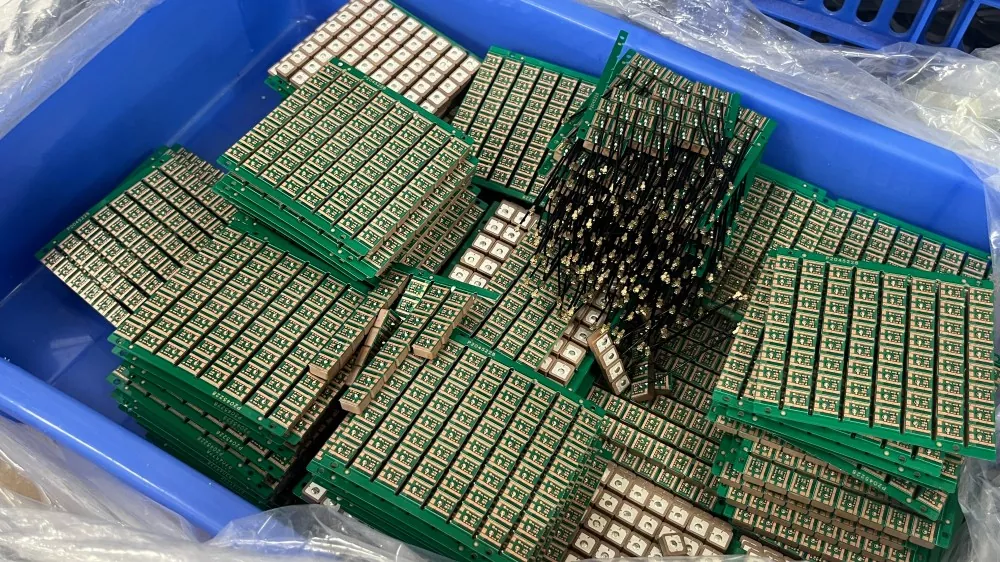
As a China-based factory integrating R&D, manufacturing, and sales, we operate with an independent RF laboratory and standardized production lines. We can quickly customize samples based on customers' product designs and performance requirements, delivering prototypes within 7–10 working days. We support large-scale, high-volume deliveries with dedicated one-on-one technical support throughout the process—no middlemen, no markups, and no after-sales shirking.
Technical Specifications
|
Parameter Item |
Technical Specifications |
|
Product Name |
Body Cam GPS Antenna |
|
Antenna Type |
GNSS Ceramic Surface Mount Antenna (Active/Passive Optional) |
|
Operating frequency band |
GPS L1: 1575.42 MHz, BeiDou B1: 1561 MHz |
|
Polarization method |
Right-hand circular polarization (RHCP) |
|
Characteristic impedance |
50Ω |
|
Standing Wave Ratio (VSWR) |
≤1.8 |
|
Peak gain |
3.0~3.8 dBi |
|
Aspect ratio |
≤3dB (low interference, high stability) |
|
Operating temperature |
-40℃ to +75℃ |
|
Storage temperature |
-45℃ to +80℃ |
|
Installation method |
SMT placement / through-hole soldering / custom connectors |
Product Comparison | Ceramic Antenna vs. FPC Antenna
|
|
Qianmu Body Cam GPS Antenna |
Standard FPC Flexible GPS Antenna |
|
Core material |
Industrial high-temperature sintered ceramic dielectric |
Standard PI flexible film material |
|
Signal gain |
High gain, strong ability to capture signals in obstructed environments |
Low gain, signal easily lost in obstructed environments |
|
Temperature resistance performance |
Stable operation across a wide temperature range of -40°C to +75°C |
Poor temperature resistance, with significant performance degradation in high and low temperature environments |
|
Structural stability |
Hard structure, earthquake-resistant and pressure-resistant, non-deformable and damage-free |
|
|
Anti-interference capability |
Professional anti-multipath interference and anti-internal RF crosstalk |
Susceptible to interference from 4G/5G, Wi-Fi, and power sources, resulting in severe positioning jitter. |
|
Applicable scenarios |
Industrial enforcement, outdoor extreme complex full-scenario |
Ordinary consumer electronic products |
|
After-sales failure rate |
Low positioning error and strong stability in batch use |
High incidence of drifting and disconnection faults, resulting in high after-sales costs |
Installation and Usage Guide
1. Installation Location Selection
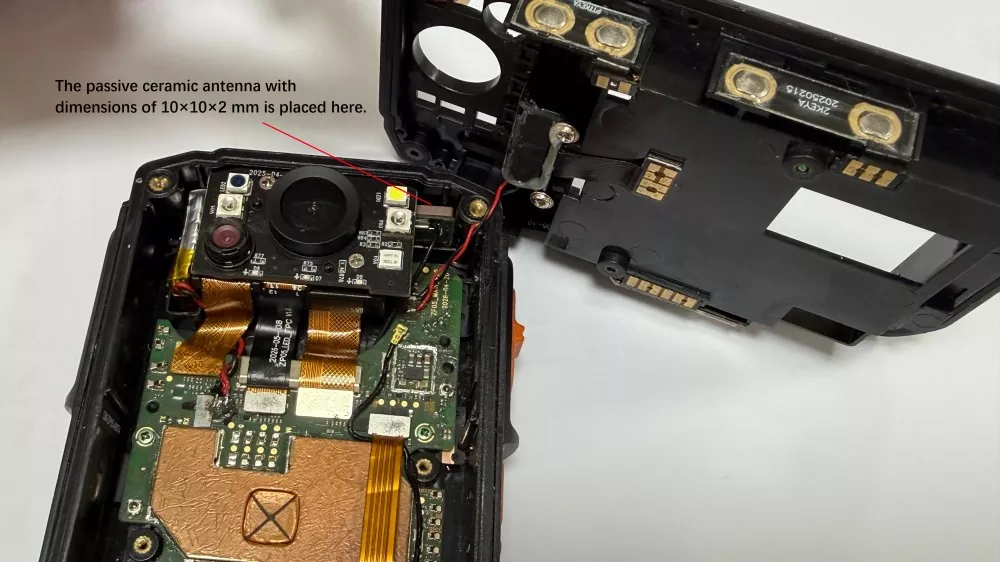
The ceramic antenna radiation core area must not be directly covered or obstructed by metal housings, battery cells, or metal brackets. It is recommended to install the device in a non-metallic area above the interior of the body camera, maintaining a safe distance of at least 15 mm from 4G/5G and Wi-Fi antennas to avoid co-channel interference and ensure unobstructed satellite signal reception.
2. Welding and Fixation Specifications
For pin-type ceramic antennas, ensure that solder joints are full, with no cold soldering, missed soldering, or detached soldering. For SMT surface-mounted products, strictly follow the factory's mounting process standards to achieve flat and secure alignment on the PCB surface. During assembly, avoid applying excessive force to the ceramic chip to prevent internal micro-cracks and eliminate potential hidden signal failures later on.
3. Anti-interference Protection Operation
After the antenna is installed, use insulating tape to isolate the antenna from the power module and the high-power area of the motherboard to reduce electrical interference. Route the antenna cables so they do not run parallel to power lines over long distances, thereby preventing signal fluctuations and unstable positioning at the source.
4. Complete Machine Debugging and Verification Standards
After device assembly is completed, outdoor real-world star acquisition testing must be conducted; indoor single-board testing alone is insufficient. Key parameters to verify include the number of satellites acquired during cold and hot starts, positioning accuracy, and trajectory continuity, ensuring that antenna performance meets specifications after final assembly and preventing batch quality issues.
How to Choose a Qualified GPS Antenna
Many procurement and equipment development personnel lack RF expertise, often leading them to purchase civilian-grade antennas at low prices. This results in substandard product performance, failed project acceptance, and large-scale after-sales failures. Based on years of industry experience, we have summarized four core criteria for selecting antennas for industrial enforcement equipment:
1. Prioritize industrial-grade specialized materials: firmly eliminate the use of common civilian ceramic raw materials, and must select industrial-grade ceramic substrates with wide temperature tolerance and anti-interference properties suitable for complex operational conditions, ensuring long-term stable performance in extreme outdoor environments.
2. Focus on actual test data, reject theoretical parameters: Most manufacturers on the market only provide theoretical specifications without real-world testing support. Reputable original manufacturers can offer darkroom test reports, outdoor field test videos, and high-low temperature aging test data—parameters that are genuine and verifiable.
3. Select specialized optimized products for law enforcement equipment: Standard navigation antennas are not optimized for the coexistence of multiple antennas, metal shielding, or human body obstruction in law enforcement devices, making them unsuitable for single-soldier device operating conditions. It is essential to choose custom-designed antennas specifically tailored for law enforcement terminals to resolve the core issue of internal RF interference.
4. Prioritize direct collaboration with source factories: Choose Chinese manufacturers with integrated capabilities in R&D, sample modification, mass production, and after-sales service. This enables rapid customization, stable supply, prompt after-sales support, and avoids issues such as price markups by intermediaries and communication gaps in technical coordination.
FAQ
Q1: Can this ceramic antenna be compatible with all brands of body-worn cameras?
Compatible with the vast majority of commercially available 4G/5G body-worn law enforcement cameras, explosion-proof evidence collection terminals, and outdoor inspection bodycams, while also supporting custom non-standard configurations tailored precisely to device structure, interfaces, and dimensions.
Q2: In what specific ways does a ceramic antenna outperform an FPC antenna?
The core improvements include faster satellite acquisition, reduced positioning error, uninterrupted tracking, and significantly enhanced anti-interference, anti-vibration, and temperature resistance performance—ranging from extreme cold to high heat. These upgrades completely resolve positioning failures under complex outdoor conditions and substantially reduce equipment after-sales service rates.
Q3: Do you support customization, sampling, and small trial orders?
Support! As a direct manufacturer, we offer prototyping, small-batch trial orders, and large-scale mass production services, fully customizable according to customer drawings and performance requirements.
Q4: Can the product be used for overseas export? Are all necessary certifications complete?
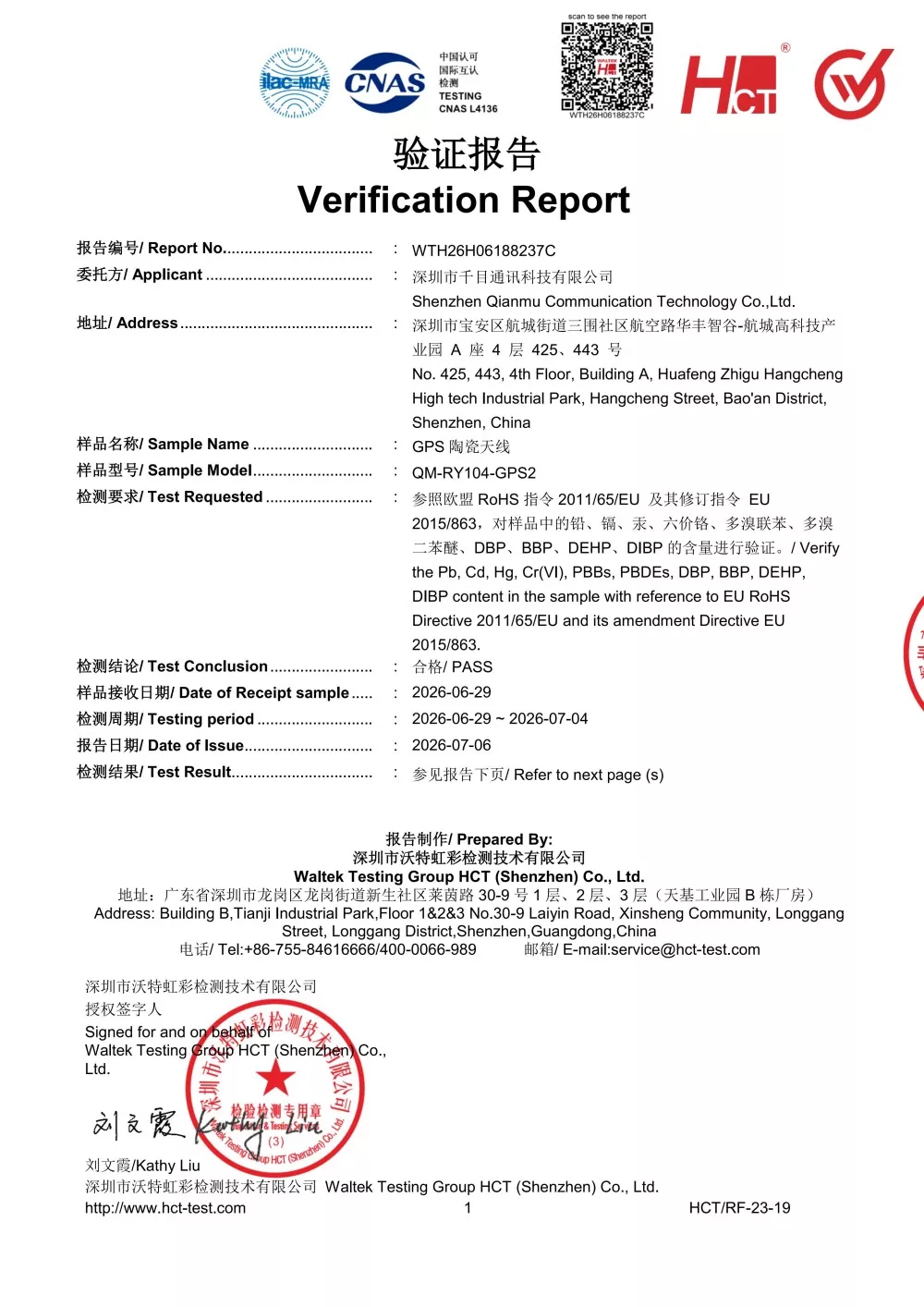
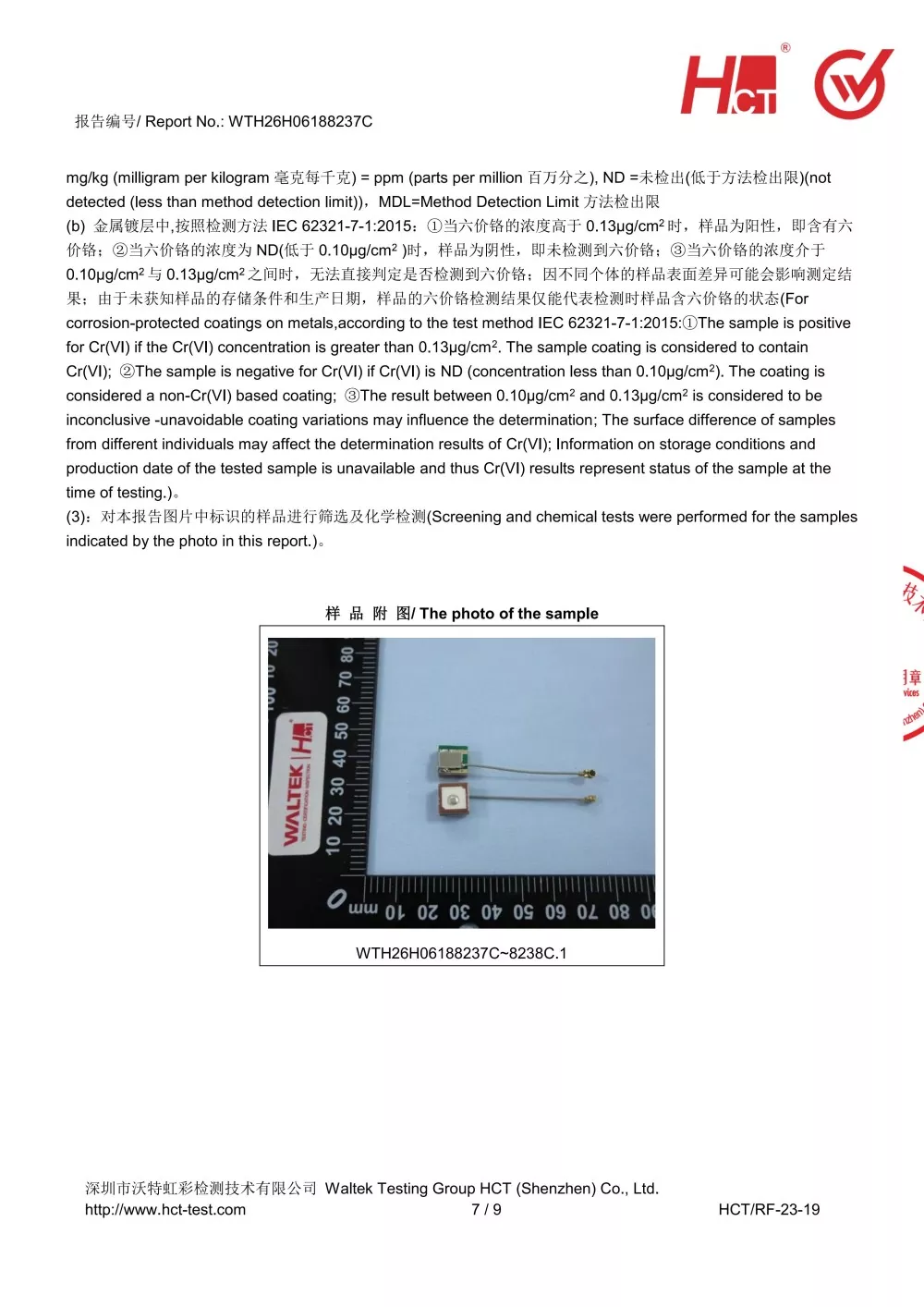
All products come with full export certifications including CE, FCC, and RoHS, meeting global standards and enabling worry-free export to Europe, the Americas, Southeast Asia, the Middle East, and all other regions.
Q5: Is the product performance stable under extreme high and low temperature conditions?
The product features an industrial-grade wide-temperature design, having undergone rigorous high-low temperature cycling aging tests, with minimal performance degradation in environments ranging from -40°C to +75°C, making it fully suitable for outdoor, mining, extreme cold, and high-temperature conditions around the clock.
Hot Tags: Body Cam GPS Antenna, China, Manufacturer, Supplier, Factory
Send Inquiry
Contact Info
-
Address
Hangcheng High-tech Industrial Park, Hangkong Road, Sanwei Community, Hangcheng Subdistrict, Bao'an District, Shenzhen City, Guangdong Province, China
-
Tel
-
E-mail
Contact Qianmu Communication for professional antenna solutions and customized manufacturing services. As a reliable antenna manufacturer, supplier and factory in China, we provide technical consultation, product customization, sample testing and production support for customers worldwide.