How Omni Antenna Improves Wireless Communication Performance and Coverage
Article Summary
An Omni Antenna is an essential component for modern wireless communication systems that require stable signal transmission across wide coverage areas. Unlike directional antennas that focus energy in a specific direction, an Omni Antenna provides 360-degree horizontal coverage, making it suitable for applications such as IoT networks, WiFi systems, industrial communication, smart devices, and outdoor wireless solutions. This article explains how Omni Antenna technology works, why businesses choose it, how to select the right antenna, and how Qianmu helps customers solve common wireless connectivity challenges with reliable antenna solutions.
Table of Contents
- 1. What Is an Omni Antenna?
- 2. How Does an Omni Antenna Work?
- 3. Why Choose an Omni Antenna for Wireless Applications?
- 4. How to Select the Right Omni Antenna?
- 5. Common Applications of Omni Antenna Technology
- 6. How Qianmu Provides Reliable Omni Antenna Solutions
- 7. Frequently Asked Questions About Omni Antenna
What Is an Omni Antenna?
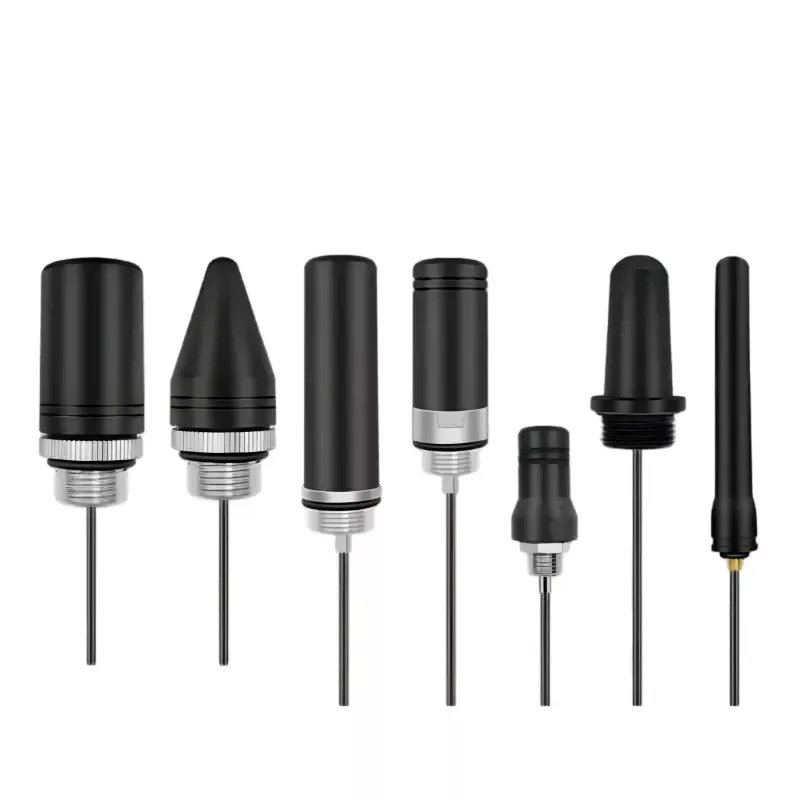
An Omni Antenna, also known as an omnidirectional antenna, is designed to transmit and receive wireless signals evenly around the antenna axis. It creates a broad radiation pattern that allows devices located in different directions to communicate without requiring constant antenna adjustment. This makes it especially valuable in environments where users, terminals, or connected devices move frequently.
Traditional directional antennas concentrate radio frequency energy toward a narrow area. While this design can achieve longer transmission distances, it requires accurate alignment between communication points. Omni Antennas solve this limitation by providing wide-area coverage, allowing multiple devices to connect from different positions.
In wireless communication systems, antenna performance directly affects signal stability, data transmission quality, and network efficiency. A properly designed Omni Antenna helps reduce connection interruptions and improves overall communication reliability.
Modern Omni Antenna products are commonly used in wireless networks, including mobile communication, industrial automation, smart monitoring systems, and IoT applications. Their ability to provide consistent coverage makes them an important choice for many communication environments.
How Does an Omni Antenna Work?
The working principle of an Omni Antenna is based on electromagnetic wave radiation. When electrical signals are supplied to the antenna element, the antenna converts these signals into electromagnetic waves that spread outward in multiple directions.
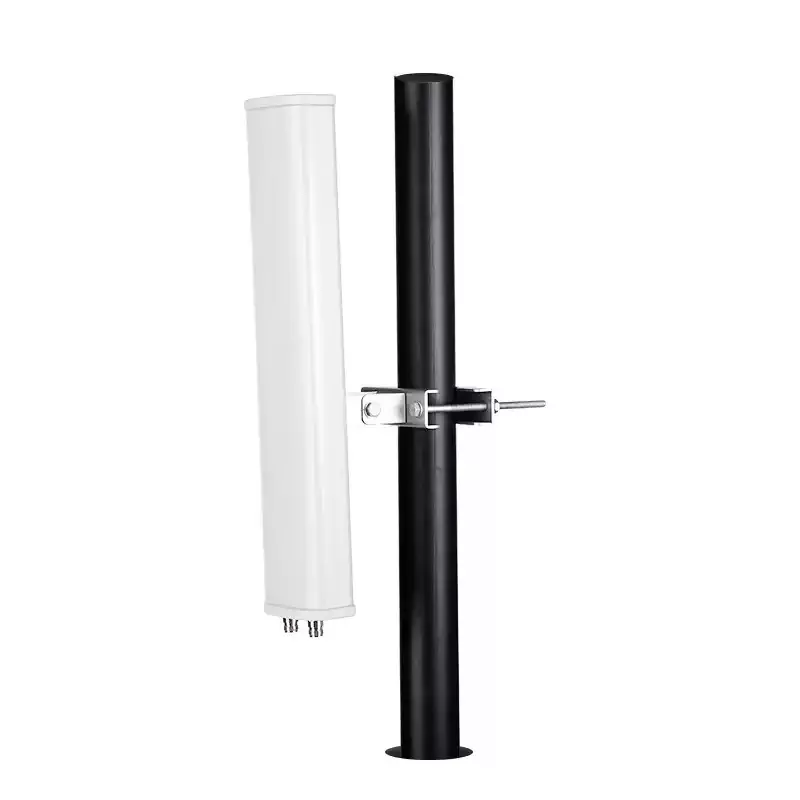
A typical vertical Omni Antenna generates a radiation pattern that provides nearly equal signal strength around the horizontal plane. This allows wireless devices located around the antenna to maintain communication without requiring directional positioning.
| Feature | Function |
|---|---|
| 360-degree horizontal coverage | Provides communication access from multiple directions |
| Antenna gain | Determines signal strength and coverage distance |
| Frequency range | Defines compatible communication systems |
| Impedance matching | Improves signal transfer efficiency |
| Weather resistance | Supports outdoor installation environments |
The performance of an Omni Antenna depends on several engineering factors, including antenna structure, material selection, frequency compatibility, installation position, and surrounding environment. Professional antenna design ensures better efficiency and stable wireless performance.
Why Choose an Omni Antenna for Wireless Applications?
Many industries face challenges such as unstable connections, limited coverage areas, complex installation requirements, and frequent signal interruptions. Choosing the correct antenna design can significantly improve communication reliability.
An Omni Antenna offers several practical advantages:
- Wide Coverage Capability: The 360-degree radiation pattern allows communication with multiple devices located around the antenna.
- Simple Installation: Users do not need to adjust antenna direction during deployment.
- Flexible Networking: It supports applications where devices frequently change locations.
- Reliable Signal Distribution: It provides balanced wireless coverage in open areas.
- Cost Efficiency: One antenna can support multiple connection points without requiring multiple directional units.
For businesses deploying wireless systems, reducing maintenance requirements is an important goal. Omni Antennas simplify network planning because they provide broad coverage without complicated alignment procedures.
How to Select the Right Omni Antenna?
Selecting an Omni Antenna requires careful evaluation of application requirements. A wrong choice may result in weak signals, reduced communication distance, or unnecessary installation costs.
| Selection Factor | Important Considerations |
|---|---|
| Frequency Range | Ensure the antenna matches the operating frequency of the wireless equipment |
| Gain Level | Choose suitable gain according to required coverage distance |
| Installation Environment | Consider indoor, outdoor, industrial, or mobile applications |
| Connector Type | Select compatible connectors for easy system integration |
| Durability | Check resistance against moisture, temperature, and environmental conditions |
Before purchasing an Omni Antenna, customers should define their communication goals. For example, a small indoor wireless device may require a compact antenna, while outdoor industrial systems may need a stronger structure with higher environmental protection.
Common Applications of Omni Antenna Technology
Omni Antennas are widely adopted because of their flexible coverage performance. They are used across many industries where stable wireless communication is required.
- WiFi Networks: Supports wireless access points and network expansion.
- IoT Systems: Enables communication between sensors, gateways, and smart devices.
- Industrial Automation: Provides wireless links for monitoring and control equipment.
- Smart Transportation: Supports vehicle communication and tracking systems.
- Security Monitoring: Helps maintain wireless connections for surveillance equipment.
- Outdoor Communication: Provides coverage for remote or large-area wireless networks.
As wireless technology continues to develop, demand for reliable antenna solutions continues to increase. Omni Antennas remain an important choice because they combine coverage flexibility with practical installation advantages.
How Qianmu Provides Reliable Omni Antenna Solutions
Qianmu focuses on developing and supplying antenna products designed for modern communication requirements. By combining engineering experience with manufacturing capabilities, Qianmu helps customers achieve stable wireless performance across different application environments.
Every communication project has different requirements. Factors such as frequency bands, installation conditions, signal coverage expectations, and device structure all influence antenna selection. Qianmu provides solutions that consider these practical challenges rather than offering one standard product for every situation.
Quality control is an important part of antenna production. Professional testing procedures help ensure that products maintain consistent electrical performance, mechanical reliability, and compatibility with customer systems.
Whether customers need antennas for industrial equipment, wireless devices, IoT applications, or customized communication projects, Qianmu works to provide dependable antenna solutions that support long-term operation.
Frequently Asked Questions About Omni Antenna
What is the main advantage of an Omni Antenna?
The main advantage of an Omni Antenna is its ability to provide 360-degree horizontal coverage. It allows multiple devices located in different directions to communicate without antenna repositioning.
Is an Omni Antenna suitable for outdoor use?
Yes. Many Omni Antennas are designed for outdoor environments with protective materials and structures that help resist weather conditions.
How does antenna gain affect performance?
Antenna gain influences signal concentration and coverage distance. Higher gain antennas can provide stronger horizontal coverage but may require careful installation planning.
Can Omni Antennas be customized?
Yes. Antennas can often be customized according to frequency requirements, size limitations, connectors, installation methods, and application conditions.
How do I choose between an Omni Antenna and a directional antenna?
An Omni Antenna is ideal when wide-area coverage is needed, while a directional antenna is better when signals must be focused toward a specific location.
Conclusion
An Omni Antenna plays a critical role in building stable and flexible wireless communication networks. Its wide coverage capability, simple installation process, and reliable signal distribution make it suitable for many industries and applications.
Choosing the right antenna requires understanding technical requirements, environmental conditions, and communication goals. With professional design experience and customer-focused solutions, Qianmu supports businesses looking for dependable Omni Antenna products.
For more information about Omni Antenna solutions and customized wireless communication products, please contact us today. Qianmu is ready to provide professional support and help you build a more reliable communication system.
Related News
- How Can a Body Cam GPS Antenna Improve Positioning Accuracy and Evidence Traceability
- Overseas Client Visit Qianmu Communication for Antenna Customization Discussion
- Why Is a Shared Bike Antenna Essential for Reliable Smart Mobility Connectivity
- Why Is a Flexible Headphone Antenna Essential for Next-Generation Wireless Audio Devices
- How Does a Ceiling Mount Antenna Improve Wireless Communication Performance?
- How Does a Cellular Network Antenna Improve Wireless Connectivity?
Leave me a message