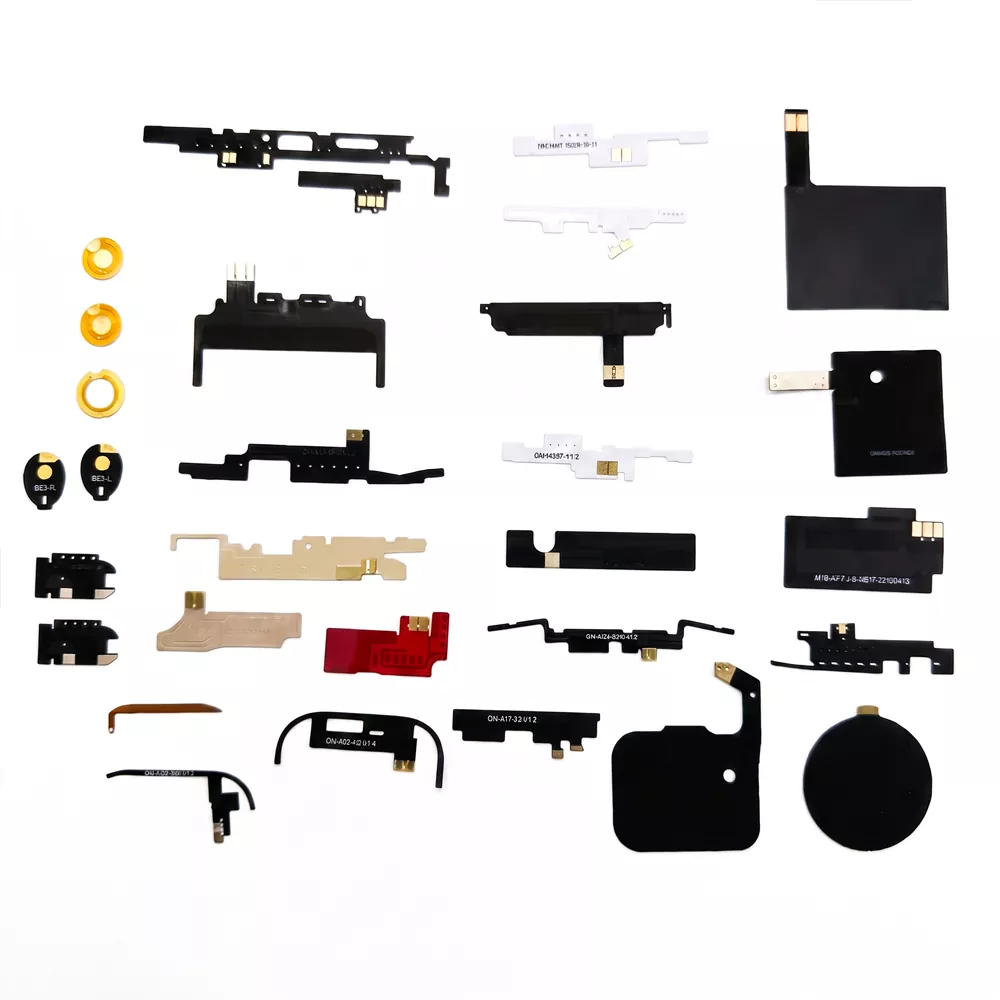
Flexible Printed Circuit Antenna (FPC)
Shenzhen Qianmu Communication delivers reliable Flexible Printed Circuit Antenna (FPC) solutions for global OEM customers, supported by over 10 years of industry expertise. We specialize in custom design, standard supply, and bulk production of high-gain, low-loss FPC antennas widely used in IoT devices, smart terminals, wearable products, and vehicle electronics.
What is an FPC Antenna?
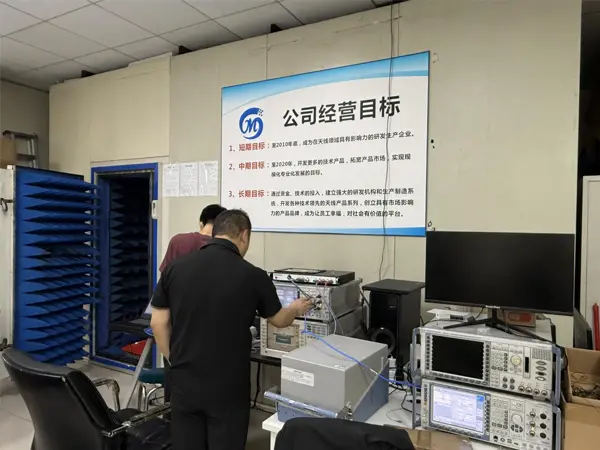
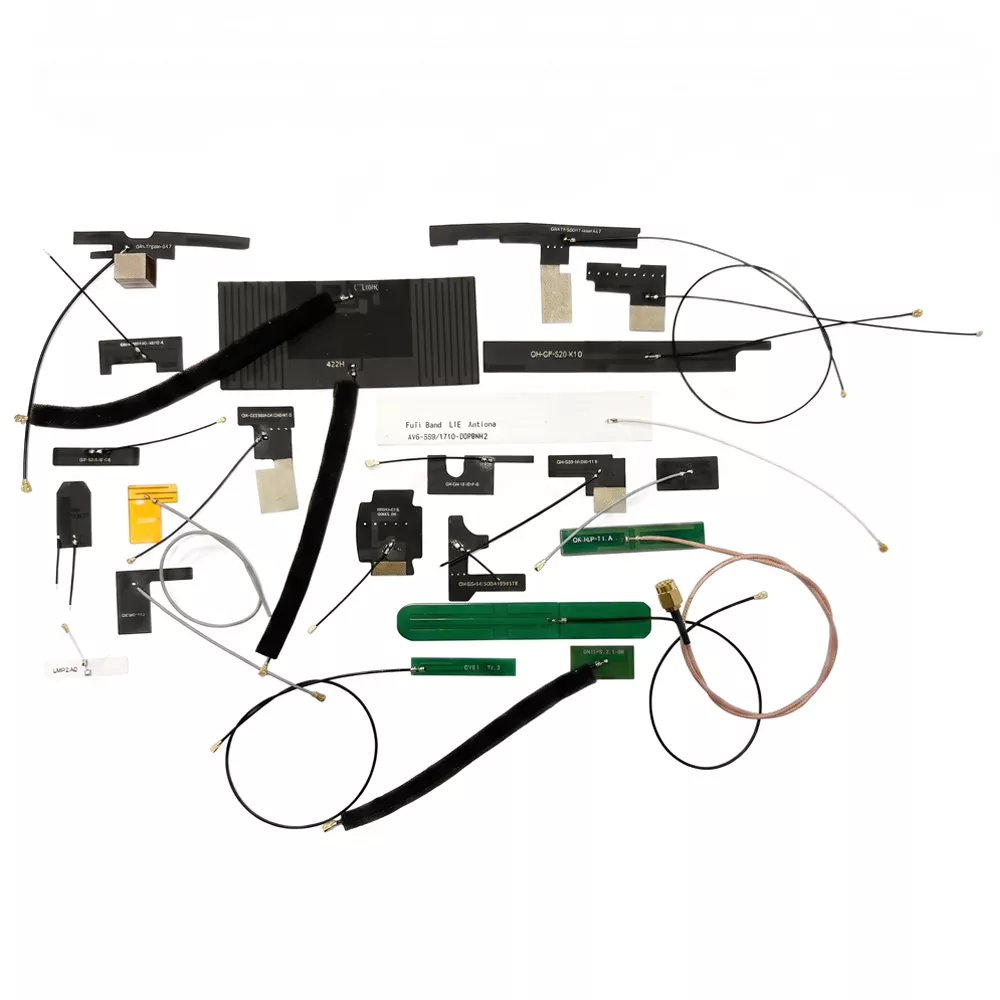
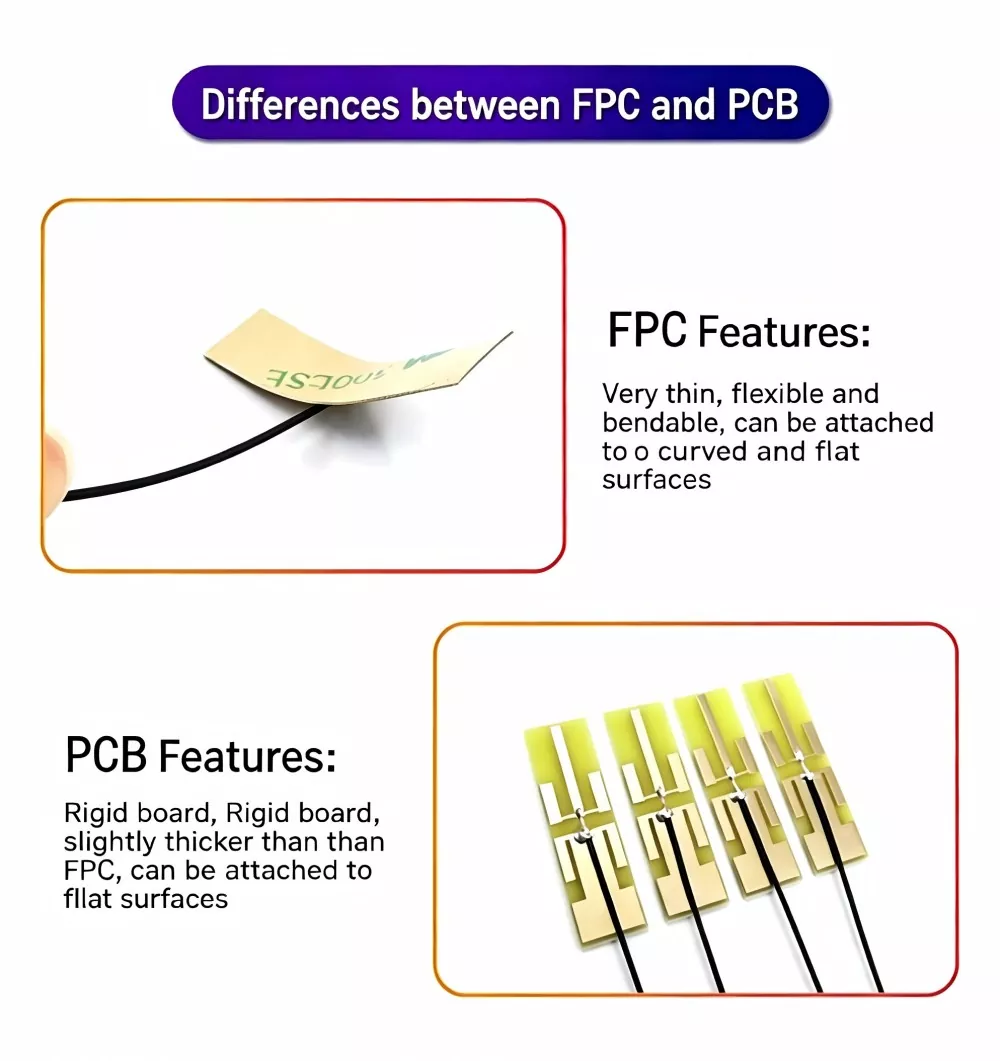
An FPC antenna, or Flexible Printed Circuit Antenna (FPC), uses flexible PI and PET films as its substrate and is fabricated by etching and printing to create antenna circuits. It features lightweight, thin, flexible, and bendable characteristics, allowing it to conform to curved surfaces. Its thickness ranges from 0.03 to 0.2 mm, and its weight is less than 1 gram. The antenna can transmit and receive wireless signals and is compatible with protocols including WiFi, Bluetooth, GPS, 4G/5G, GNSS, NB-IoT, and LoRa, covering the 2.4 GHz, 5 GHz, and 5.8 GHz frequency bands. Qianmu Communications is a professional FPC antenna manufacturer with years of deep industry experience. We are equipped with three microwave anechoic chambers and have more than ten dedicated R&D personnel, enabling us to provide one-stop services—from antenna solution design to mass production.
Key selling point
Ultra-thin and flexible, free in space.
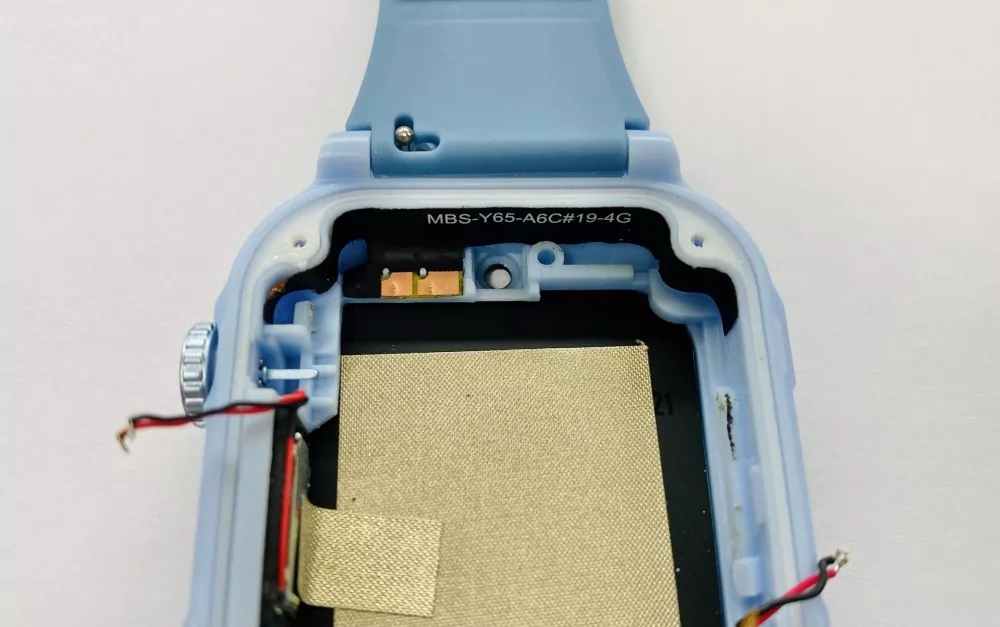
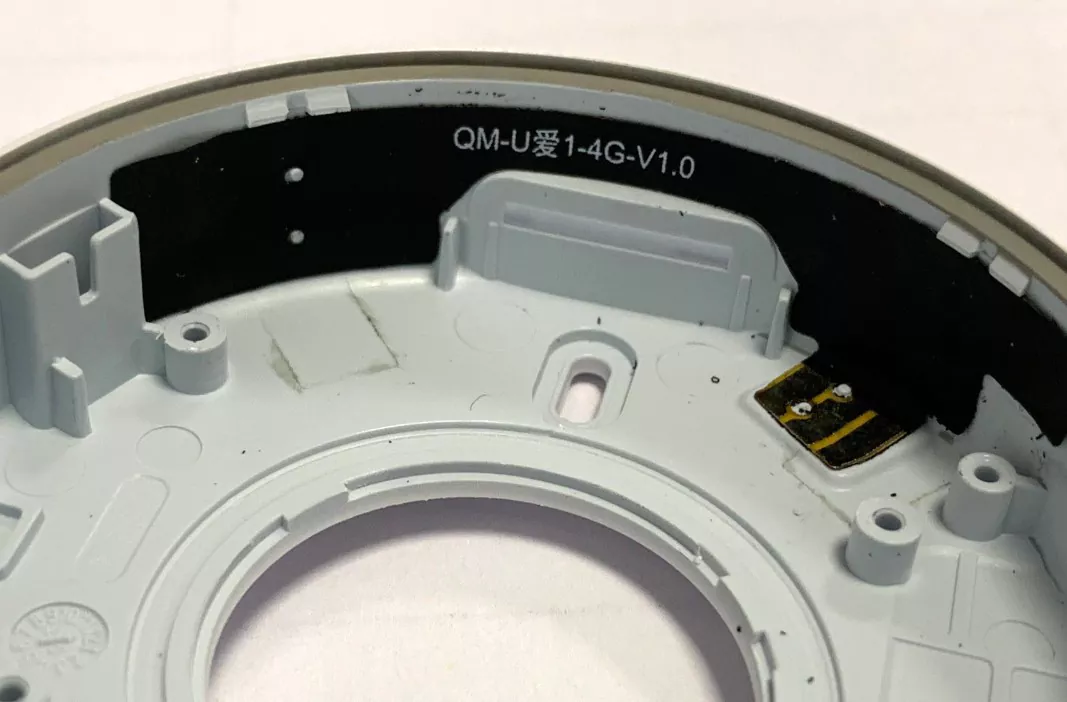
Flexible Printed Circuit Antenna (FPC) has a thickness of only 0.03–0.2 mm and can be bent or folded arbitrarily.It can be bent 90° along the inner wall of the cavity inside the device, perfectly adapting to various complex structural designs.Whether the device casing is flat or curved, the FPC antenna can easily conform to its surface.
Multi-band wideband coverage
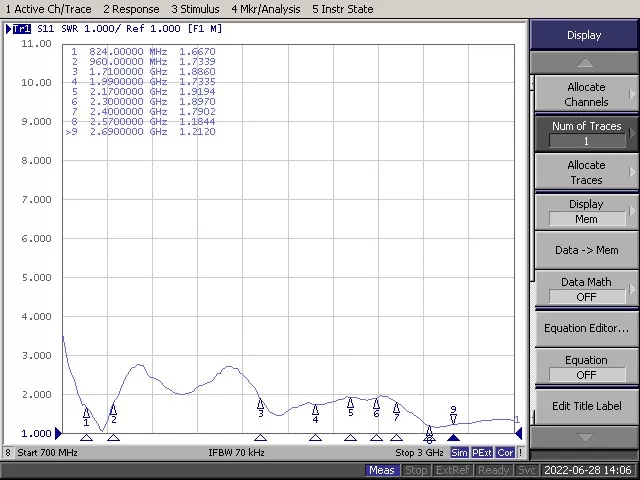
Supports multiple communication protocols including 4G/5G, full-band WiFi, Bluetooth, GPS/GNSS, LoRa, and NFC.A single-chip FPC antenna can cover frequency bands ranging from 700 MHz to 2700 MHz—or even wider.To meet the communication needs of multi-mode and multi-frequency devices.
Lightweight design
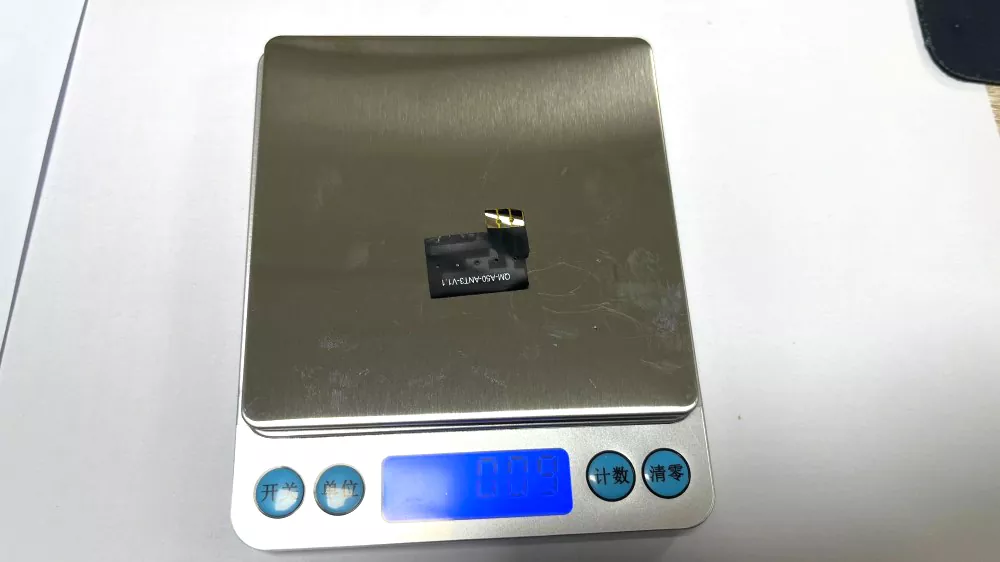
The FPC antenna weighs less than 1 gram.More than 50% lighter than traditional metal antennas.For weight-sensitive products such as wearable devices and drones, FPC antennas are the best choice..
Ready to use right out of the box, easy to assemble.
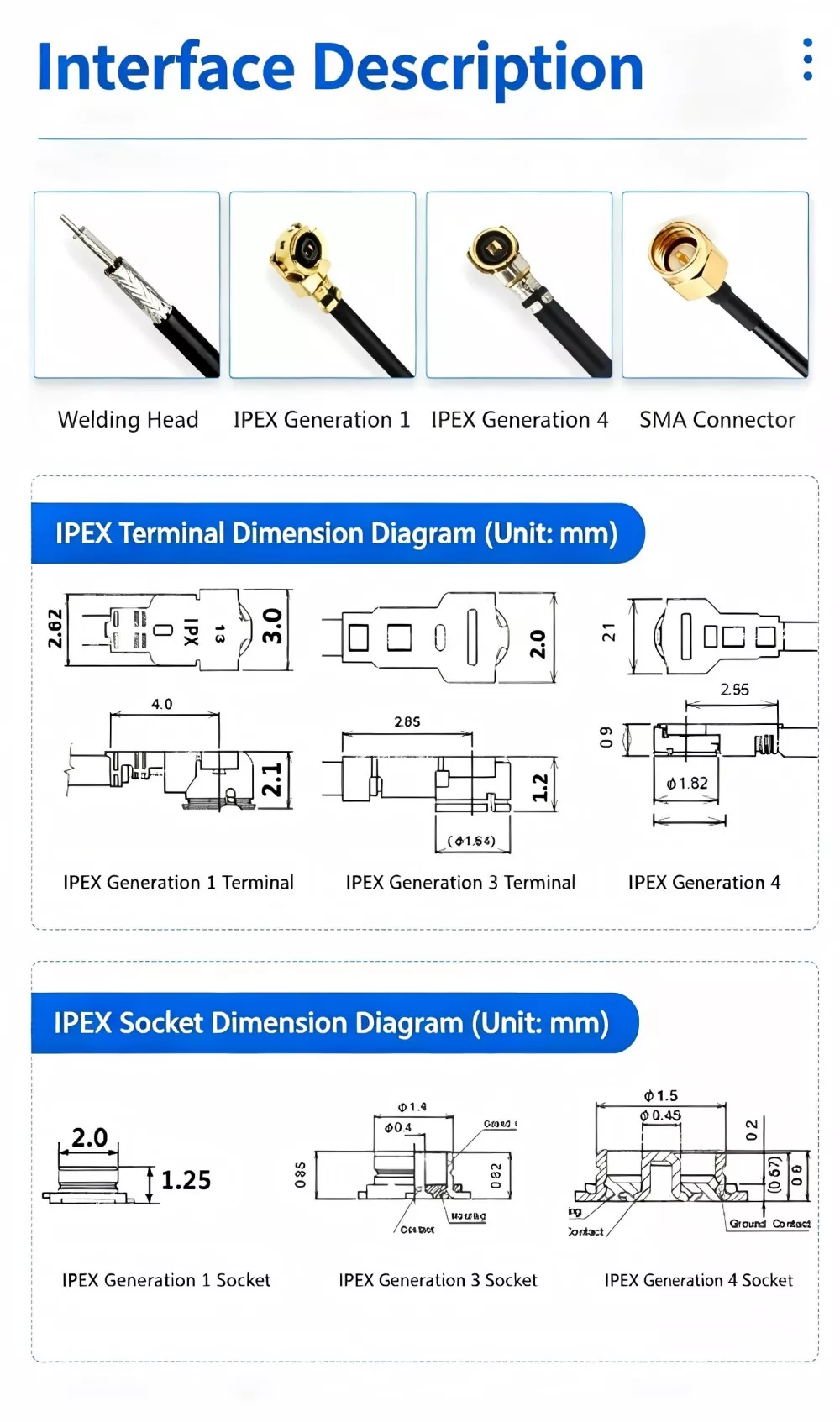
Features standard 3M 300LSE adhesive backing for quick peel-and-stick assembly in 2 minutes. Available with IPEX, U.FL, MHF4, and other connector options.
Technical Specifications
|
Parameter item |
Typical value |
Instructions |
|
Frequency range |
700-960MHz / 1710-2700 MHz (4G) |
Covers all 4G/LTE frequency bands |
|
Frequency range |
600-6000MHz (5G) |
Supports 5G NR Sub-6GHz |
|
Frequency range |
2.4-2.5GHz / 4.9–5.9 GHz (WiFi dual-band) |
WiFi/Bluetooth/ZigBee |
|
Frequency range |
433MHz / 868 MHz / 915 MHz (LoRa/Sub-GHz) |
Low-Power Wide-Area Network |
|
Frequency range |
13.56MHz (NFC) |
Near-field communication |
|
Impedance |
50Omega |
Standard RF impedance |
|
Gain |
1.8-5.0dBi |
Depending on the model. |
|
Voltage Standing Wave Ratio (VSWR) |
<1.8~2.5 |
The lower, the better. |
|
Antenna efficiency |
3580% |
Depending on the installation environment. |
|
Polarization mode |
Vertical polarization / Circular polarization |
Optional |
|
Radiation direction |
Omni-directional |
360°Coverage |
|
Operating temperature |
-45℃ ~ +85℃ |
Industrial-grade wide temperature |
|
Interface type |
IPEX / U.FL / MHF4 / Soldering |
Multiple options available |
|
Cable specifications |
RG1.13 / 1.13mm Coaxial Cable |
Length is customizable. |
|
Size |
Customizable (typical 40×35mm / 54×38mm) |
Customization supported |
Application Scenarios
1. Smartphones and Tablets
The ultra-thin and flexible structure of FPC antennas allows them to fit perfectly into compact internal spaces. Following the adoption of LCP FPC antennas in smartphones such as the iPhone X, Qianmu provides customized antenna solutions for various mobile devices.
2. Smart Home Devices
The flexible design supports 90° bending and can conform to internal walls without requiring external openings, helping maintain a clean and seamless product appearance. It is widely used in smart speakers, smart bulbs, smart plugs, and other connected home devices.
3. IoT Devices
The flexible structure enables FPC antennas to adapt to irregularly shaped IoT terminals, providing stable wireless communication for applications such as asset trackers, smart meters, and environmental monitoring sensors.
4. Wearable Devices
FPC antennas are ideal for compact wearable products such as smartwatches, fitness bands, and TWS earbuds. With a lightweight design of less than 1g, they can be integrated into wearable structures while maintaining reliable signal performance even under repeated bending conditions.
5. Automotive Applications
The antenna can adapt to curved internal spaces in automotive devices such as OBD terminals and vehicle navigation systems, providing stable 4G communication and GPS signal reception.
6. Security and Surveillance Equipment
Built-in FPC antennas eliminate the need for external antenna structures, helping reduce water ingress risks. Circular polarization technology ensures continuous signal connectivity during multi-angle PTZ camera rotation and monitoring operations.
FPC Antenna vs. PCB Antenna
|
Comparison dimension |
FPC Antenna (Qianmu Communications) |
PCB antenna |
|
Substrate material |
Flexible PI/PET film |
Rigid FR-4/Rogers substrate |
|
Bending capability |
✅ Bendable and foldable, suitable for curved surfaces |
❌ Only applicable to planar layouts |
|
Thickness |
0.03-0.2mm |
0.8-1.6mm |
|
Weight |
<1g |
Heavier |
|
Band support |
Multi-band wideband (4G/5G/WiFi full-band) |
Primarily single-frequency/dual-frequency |
|
Bandwidth |
Broadband design; some products have bandwidth exceeding 1 GHz. |
Narrowband design, typically <200 MHz |
|
Installation flexibility |
Can be applied to the inner wall of non-metallic casings. |
Must be fixed onto the PCB. |
|
Cost |
Slightly high |
Lower |
|
Applicable scenarios |
Slim and lightweight, curved, multi-band devices |
Cost-sensitive, low-frequency applications |
Important Notes for Antenna Installation
1. Keep Away from Metal Surfaces
Do not install the antenna directly on or close to metal surfaces, as this may affect impedance matching, change the radiation pattern, and reduce overall antenna efficiency.
2. Avoid Excessive Bending
Do not over-bend or fold the antenna during installation, as excessive deformation may damage the internal conductor and negatively affect RF performance.
3. Ensure Secure Installation
Fix the antenna firmly and evenly during installation to prevent deformation that could impact radiation performance and signal stability.
4. Maintain Sufficient Clearance Around the Antenna
Maintain at least 5 mm clearance above and on both sides of the antenna. Avoid placing metal components, high-speed signal traces, or large copper areas near the antenna to ensure optimal performance.
5. Handle with Care During Assembly
Although the antenna features a flexible structure, the FPC material has limited mechanical strength. Avoid excessive pulling, twisting, or impact during installation and assembly.
6. Store in a Dry Environment
Avoid storing the antenna in high-temperature or high-humidity environments. Keep the product dry to maintain stable electrical performance and long-term reliability.
Quality Control and Testing
Qianmu Communications applies strict quality management throughout the entire manufacturing process, covering raw material inspection, production monitoring, and finished product testing.
Incoming Material Inspection
All incoming materials, including FPC substrates, copper foils, adhesives, and connectors, undergo strict quality inspection to ensure reliability and consistency.
AOI Optical Inspection
Automated Optical Inspection (AOI) is used to verify antenna circuit routing accuracy, solder joint quality, and product appearance to prevent manufacturing defects.
RF Performance Testing
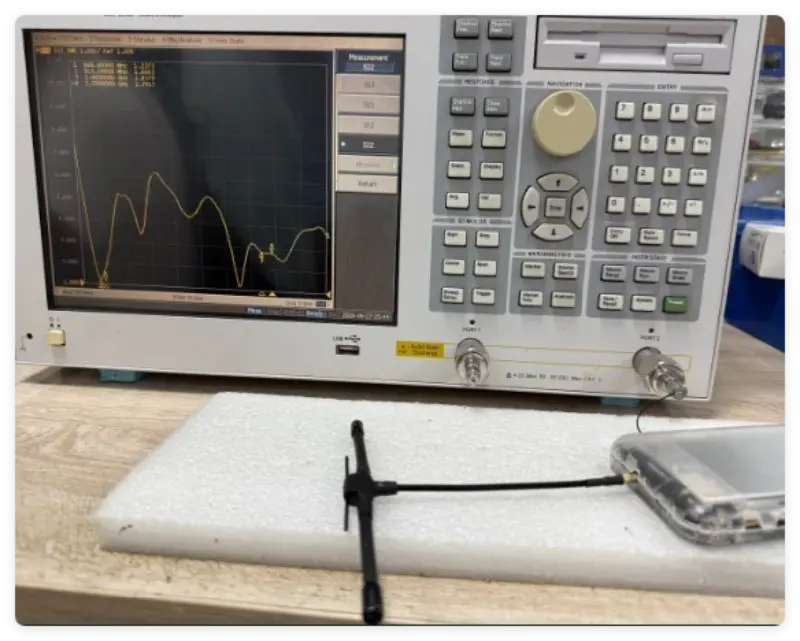
Key RF parameters, including voltage standing wave ratio (VSWR), gain, and radiation pattern, are tested in a professional darkroom environment to ensure antenna performance meets requirements.
Environmental Reliability Testing
The antennas undergo various reliability tests, including high and low temperature cycling tests, humidity tests, bending life tests, and other environmental evaluations.
Batch Consistency Management
Strict production control ensures consistent performance and stable quality across every product batch.
Professional Antenna Manufacturing Experience
For over two decades, Qianmu Communications has been dedicated to the terminal antenna industry, focusing on the R&D, production, and sales of wireless communication terminal antennas. Our products are widely used in mobile communication devices, including smartphones, tablets, mobile payment systems, drones, wireless charging devices, automobiles, base stations, and wearable devices.
How to Choose an FPC Antenna
1. Confirm the operating frequency
Identify the wireless technologies your device requires, such as 4G/LTE, 5G, Wi-Fi, Bluetooth, GNSS, LoRa, or NFC. Select an antenna that supports all required frequency bands.
2. Evaluate the available installation space
Measure the available space inside the device, including length, width, and installation position. Thanks to their flexible structure and customizable dimensions, FPC antennas are well suited for compact or irregularly shaped enclosures.
3. Verify the RF connector type
Check the RF connector used on the PCB, such as IPEX, U.FL, or MHF4. The antenna connector must match the module interface to ensure reliable RF performance.
4. Review key RF parameters
· Gain: Choose an appropriate gain based on the application and installation environment.
· VSWR: A value below 2.0 is generally recommended for good impedance matching.
· Efficiency: Higher efficiency helps improve transmission performance and receiver sensitivity.
· Impedance: The standard RF impedance is 50Ω and should match the RF module.
5. Consider customization options
If standard products do not meet your design requirements, choose an FPC antenna manufacturer that provides customization services, including antenna dimensions, cable length, connector type, and RF tuning.
6. Evaluate the supplier's capabilities
Select an FPC antenna supplier with an established quality management system, RF engineering expertise, and reliable manufacturing capabilities to ensure consistent product quality and long-term supply.
FAQ
Q1: How do you choose between an FPC antenna and a PCB antenna?
A: FPC flexible and bendable, ideal for fitting into curved, narrow spaces—preferred for lightweight, thin devices. PCB rigid, suitable only for flat surfaces; choose this option if your budget is limited and you have ample space available.
Q2: Which frequency bands does the FPC antenna support?
A: Qianmu Communication's FPC antennas cover frequencies from 13.56 MHz NFC to 6 GHz 5G, supporting wireless technologies including 4G/5G, Wi-Fi, Bluetooth, GNSS, LoRa, and ZigBee.
Q3: What is the operating temperature of the FPC antenna?
A: -45℃ to +85℃, meeting industrial usage standards.
Q4: What are the differences among IPEX, U.FL, and MHF4 connectors?
A: All are miniature RF connectors, with dimensions U.FL > MHF4. The MHF4 is even smaller and is commonly used in 5G applications; simply select the connector based on your motherboard's interface specifications.
Q5: Does it support small-batch customization?
A: We offer support and can handle the entire order process—from scheme design and prototyping to small- and large-scale production.
Hot Tags: Flexible Printed Circuit Antenna (FPC) Manufacturer, FPC Antenna Supplier, Custom FPC Antenna
Related Category
Send Inquiry
Contact Info
-
Address
Hangcheng High-tech Industrial Park, Hangkong Road, Sanwei Community, Hangcheng Subdistrict, Bao'an District, Shenzhen City, Guangdong Province, China
-
Tel
-
E-mail
Contact Qianmu Communication for professional antenna solutions and customized manufacturing services. As a reliable antenna manufacturer, supplier and factory in China, we provide technical consultation, product customization, sample testing and production support for customers worldwide.