How Does an External Antenna Improve Wireless Communication Performance?
Article Summary
In modern wireless communication systems, signal stability and transmission quality have become critical factors for businesses and users. An external antenna provides an effective solution for improving signal coverage, enhancing connectivity, and optimizing communication performance in various applications. This article explains how an external antenna works, why it is needed, what problems it solves, and how to select the right antenna solution for different environments. With professional antenna design and manufacturing experience, Qianmu Communication helps customers achieve reliable wireless communication through customized external antenna solutions.
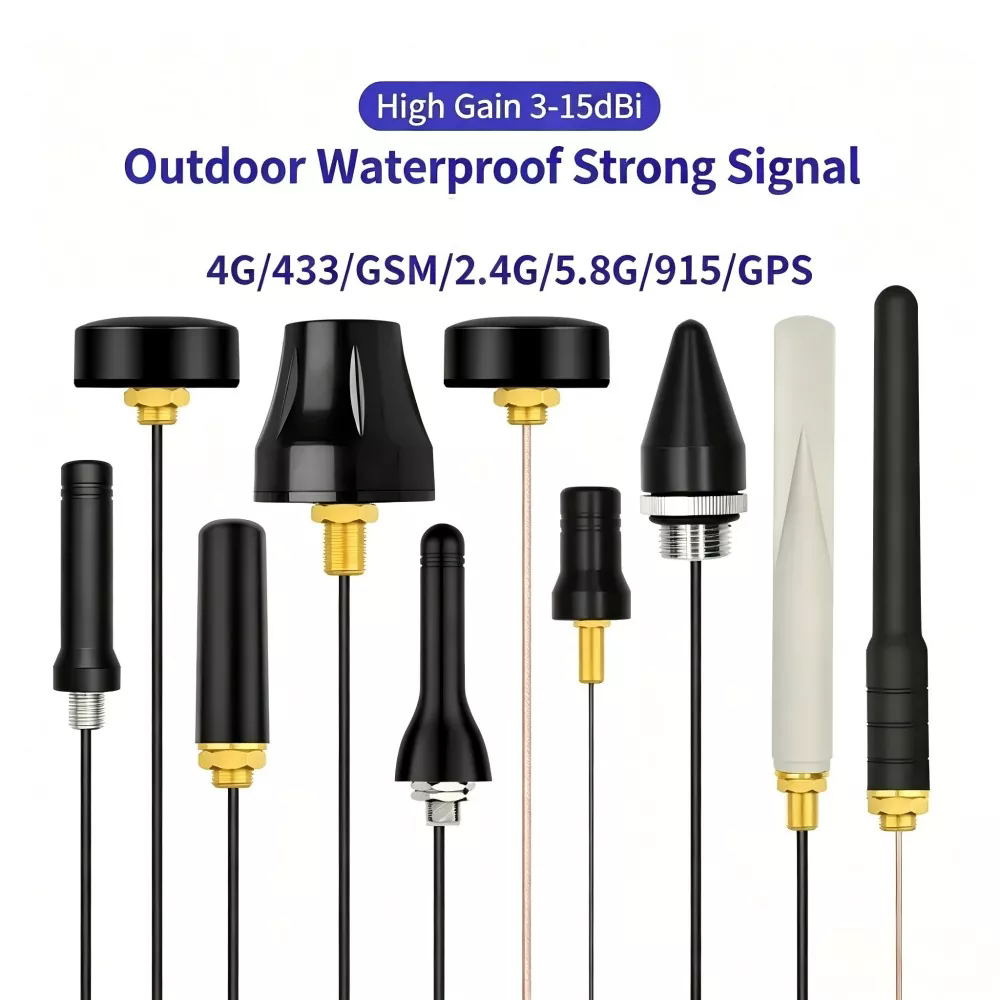
Table of Contents
- 1. Overview of External Antenna Technology
- 2. Why Is an External Antenna Important?
- 3. How Does an External Antenna Work?
- 4. What Problems Can an External Antenna Solve?
- 5. Where Are External Antennas Commonly Used?
- 6. How to Choose the Right External Antenna?
- 7. Advantages of Qianmu Communication External Antenna Solutions
- 8. Frequently Asked Questions About External Antennas
1. Overview of External Antenna Technology
Wireless communication has become an essential part of industrial automation, smart devices, IoT systems, transportation, and daily consumer electronics. However, many wireless devices face challenges such as weak signals, limited coverage distance, unstable connections, and interference caused by complex environments.
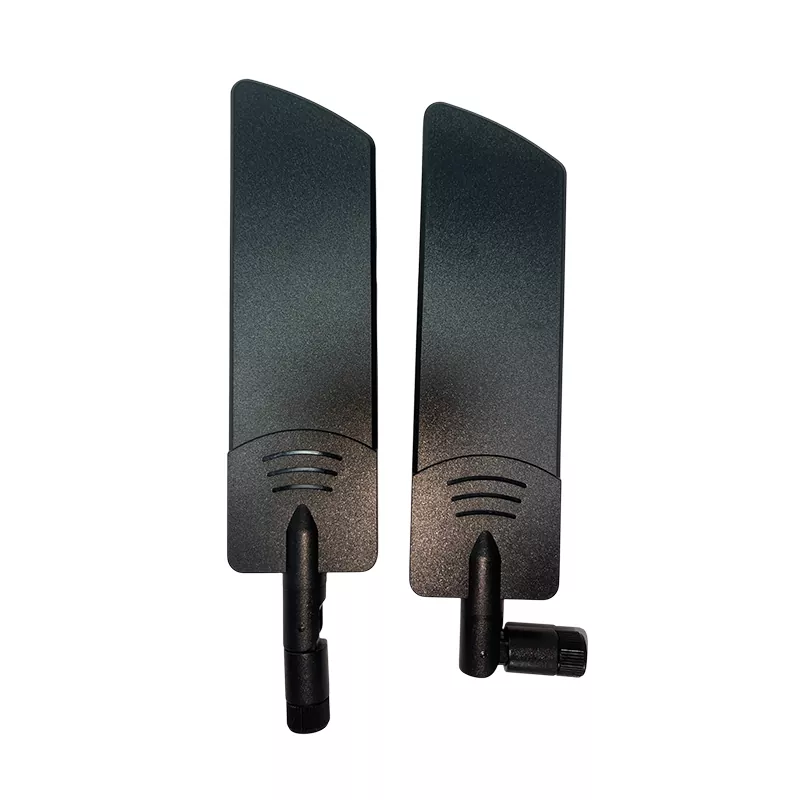
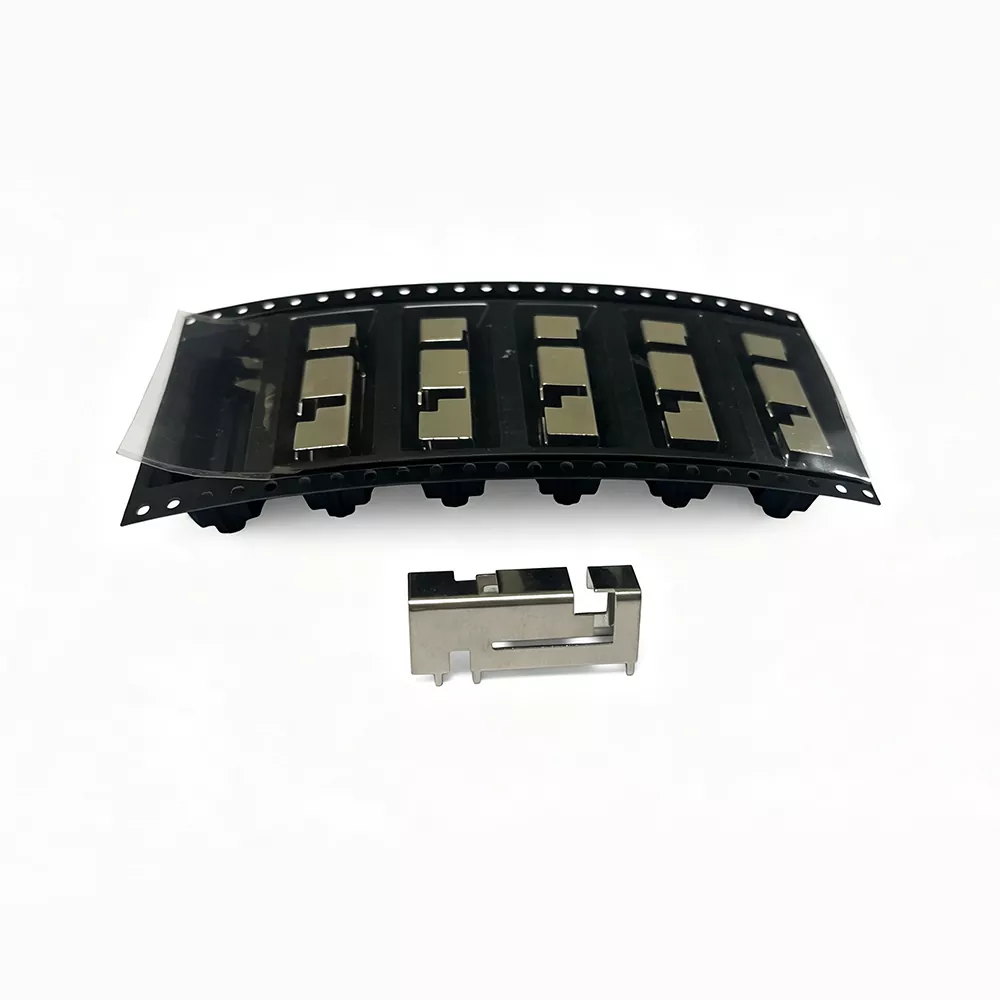
An external antenna is a specially designed antenna component installed outside a wireless device or communication system to improve signal transmission and reception capabilities. Compared with built-in antennas, external antennas offer greater flexibility in installation, better positioning options, and stronger adaptability for different application scenarios.
External antennas are widely used in devices including routers, gateways, industrial communication equipment, GPS systems, cellular modules, wireless monitoring systems, and IoT terminals. By optimizing antenna performance, users can achieve more stable and efficient wireless communication.
2. Why Is an External Antenna Important?
A reliable wireless connection depends heavily on antenna performance. Even when a communication module has advanced technology, poor antenna design can reduce signal strength and affect overall system efficiency.
An external antenna provides several important benefits:
- Improved Signal Strength: External antennas can enhance signal reception and transmission, especially in areas with weak wireless coverage.
- Extended Communication Range: A properly selected antenna helps devices communicate over longer distances.
- Better Installation Flexibility: Users can place antennas in locations with stronger signals instead of being limited by device structure.
- Reduced Signal Interruption: External antenna solutions help maintain stable connections in environments with obstacles or interference.
- Support for Multiple Frequencies: Many external antennas are designed to support different wireless communication standards.
For industries that depend on continuous data transmission, choosing the right antenna is essential to avoid communication failures and improve operational reliability.
3. How Does an External Antenna Work?
An external antenna works by converting electrical signals from a communication device into electromagnetic waves and receiving electromagnetic waves from external sources back into electrical signals.
The basic working process includes several steps:
- Signal Transmission: The wireless module generates radio frequency signals and sends them to the external antenna.
- Energy Conversion: The antenna converts electrical energy into electromagnetic waves and transmits them through the air.
- Signal Reception: The antenna captures incoming wireless signals from communication networks or other devices.
- Signal Processing: The received signals are transferred back to the communication module for data processing.
The performance of an external antenna depends on factors such as frequency range, gain, radiation pattern, installation position, and environmental conditions. Professional antenna manufacturers carefully optimize these factors to achieve better communication results.
4. What Problems Can an External Antenna Solve?
Many wireless communication issues are caused by antenna limitations rather than communication modules themselves. External antennas provide practical solutions for common challenges.
- Weak Wireless Signals: Devices installed in remote locations may experience poor connectivity. An external antenna can improve signal reception by positioning the antenna in a better location.
- Limited Coverage Area: Built-in antennas may not provide enough transmission distance for industrial or outdoor applications. External antennas can expand communication coverage.
- Signal Blocking: Metal structures, walls, and other obstacles can weaken wireless signals. External antennas allow flexible installation away from interference sources.
- Unstable Connections: Frequent disconnections can reduce productivity. A high-quality antenna improves connection stability.
- Complex Application Requirements: Different industries require different antenna designs. Customized external antenna solutions can meet specific technical requirements.
5. Where Are External Antennas Commonly Used?
External antennas are suitable for a wide range of industries because wireless communication is required in many modern systems.
- Internet of Things (IoT): Used in smart meters, sensors, and connected devices to ensure reliable data transmission.
- Industrial Automation: Supports wireless communication between machines, controllers, and monitoring systems.
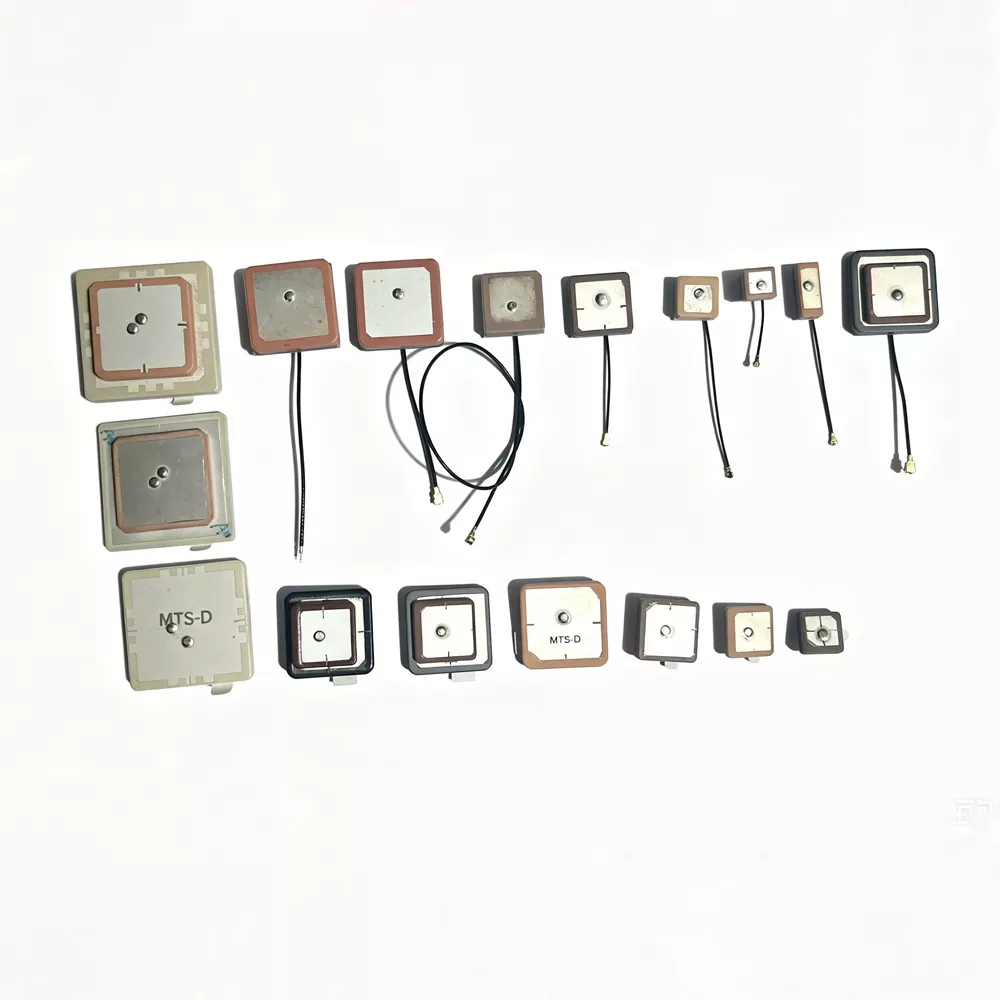
- Vehicle Communication: Used for GPS tracking, fleet management, navigation, and vehicle networking.
- Telecommunication Equipment: Helps routers, gateways, and wireless terminals achieve stronger connectivity.
- Security Monitoring: Provides stable wireless connections for cameras and remote monitoring devices.
- Smart Home Systems: Improves communication performance for connected home devices.
As wireless technology continues to develop, external antennas play an increasingly important role in improving communication efficiency across different applications.
6. How to Choose the Right External Antenna?
Selecting an external antenna requires careful consideration of application conditions and technical requirements. The wrong antenna choice may result in poor performance or compatibility issues.
Important factors include:
- Frequency Range: Make sure the antenna supports the operating frequency of the communication system.
- Antenna Gain: Higher gain antennas can improve long-distance communication performance, but the suitable gain depends on the application environment.
- Installation Environment: Outdoor and industrial applications may require antennas with stronger durability and weather resistance.
- Connector Type: The antenna connector must match the communication device to ensure proper installation.
- Size Requirements: Compact devices may require smaller antenna designs without sacrificing performance.
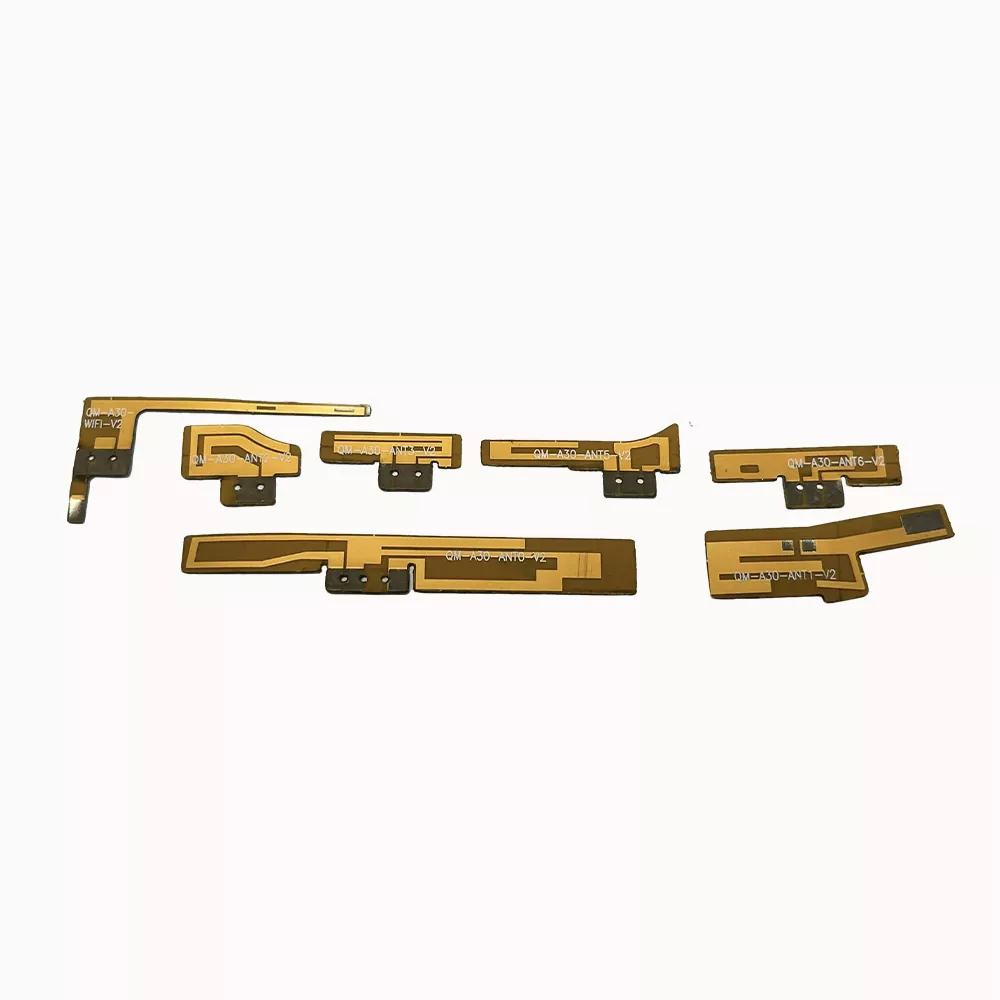
- Customization Needs: Special applications may require customized antenna structures and specifications.
Working with an experienced antenna supplier allows customers to select solutions that match their technical and operational requirements.
7. Advantages of Qianmu Communication External Antenna Solutions
Qianmu Communication focuses on providing professional antenna solutions designed for different wireless communication applications. Through advanced manufacturing capabilities and technical experience, the company develops external antennas that balance performance, reliability, and practical installation requirements.
The advantages of Qianmu Communication external antennas include:
- Professional Design Capability: Antenna structures are optimized according to different communication requirements.
- Wide Application Support: Solutions can be applied to industrial equipment, IoT devices, wireless terminals, and other communication systems.
- Reliable Product Quality: Strict manufacturing processes help ensure consistent antenna performance.
- Flexible Customization: Customers can receive antenna solutions based on specific frequency, size, and installation requirements.
- Technical Support: Professional guidance helps customers choose suitable antenna products for their projects.
By combining engineering expertise with customer-focused service, Qianmu Communication helps businesses overcome wireless communication challenges and build more reliable connection systems.
8. Frequently Asked Questions About External Antennas
Q1: What is the difference between an external antenna and a built-in antenna?
An external antenna is installed outside the device and provides greater flexibility in placement and adjustment. A built-in antenna is integrated inside the device and usually has limited installation options.
Q2: Can an external antenna improve internet speed?
An external antenna does not directly increase network bandwidth, but it can improve signal quality and connection stability, which may result in better communication performance.
Q3: Are external antennas suitable for outdoor applications?
Yes. Many external antennas are designed for outdoor environments with features such as weather resistance and durable materials.
Q4: How do I know which external antenna I need?
The correct antenna depends on factors such as frequency, communication distance, installation environment, and device compatibility. Professional suppliers can provide suitable recommendations.
Q5: Can Qianmu Communication provide customized external antenna solutions?
Yes. Qianmu Communication provides customized antenna solutions to meet different application requirements, helping customers achieve reliable wireless communication performance.
Conclusion
External antennas are essential components for improving wireless communication reliability, extending coverage, and solving signal-related challenges. From industrial systems to smart devices, the right antenna solution can significantly enhance connection performance and operational efficiency.
With professional technology and customized service capabilities, Qianmu Communication is committed to delivering high-quality external antenna solutions for global customers. If you need a reliable antenna solution designed for your application, please contact us today and let our professional team provide the right communication support for your project.
Related News
- How Can a Body Cam GPS Antenna Improve Positioning Accuracy and Evidence Traceability
- Overseas Client Visit Qianmu Communication for Antenna Customization Discussion
- Why Is a Shared Bike Antenna Essential for Reliable Smart Mobility Connectivity
- Why Is a Flexible Headphone Antenna Essential for Next-Generation Wireless Audio Devices
- How Does a Ceiling Mount Antenna Improve Wireless Communication Performance?
- How Does a Cellular Network Antenna Improve Wireless Connectivity?
Leave me a message