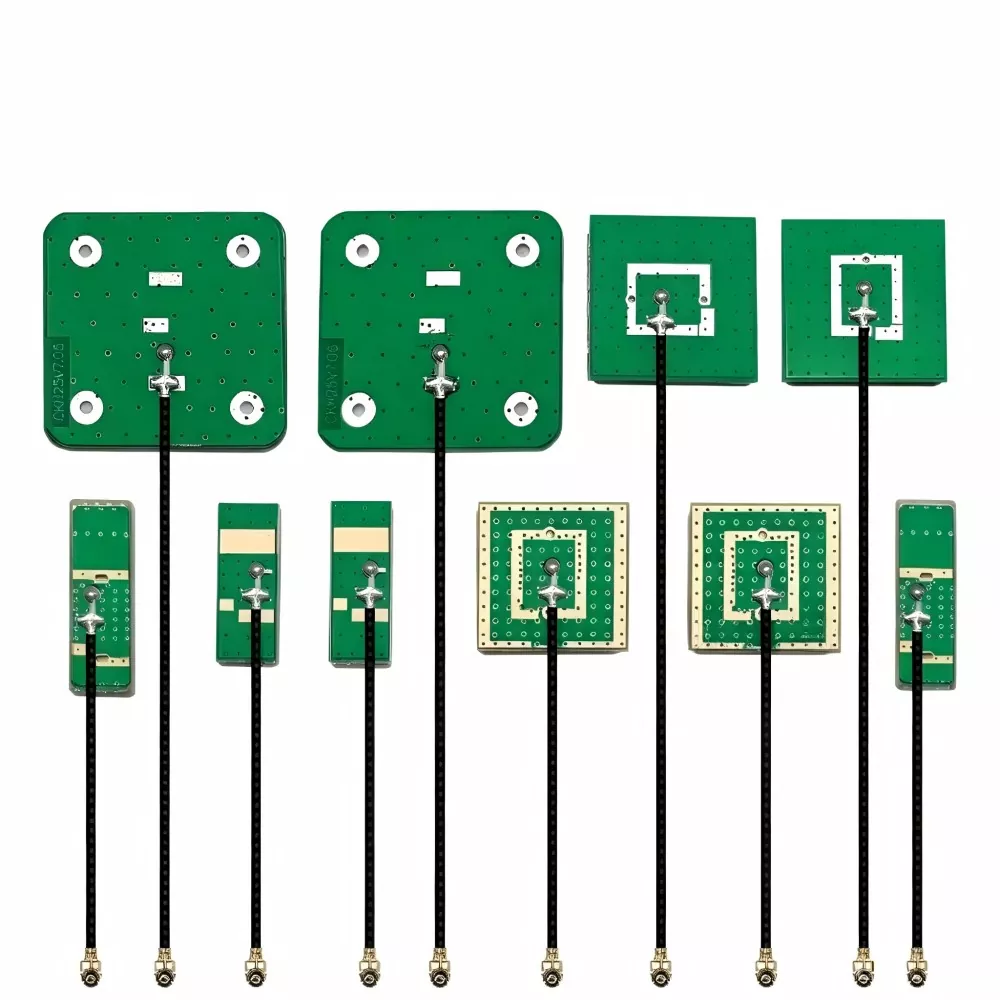
GPS BeiDou Antenna
Shenzhen Qianmu Communication Technology Co., Ltd. is a professional China manufacturer and factory. We supply high-precision GPS BeiDou Antenna for smart watches, vehicle tracking, IoT devices, and drones. Custom OEM/ODM services are available!
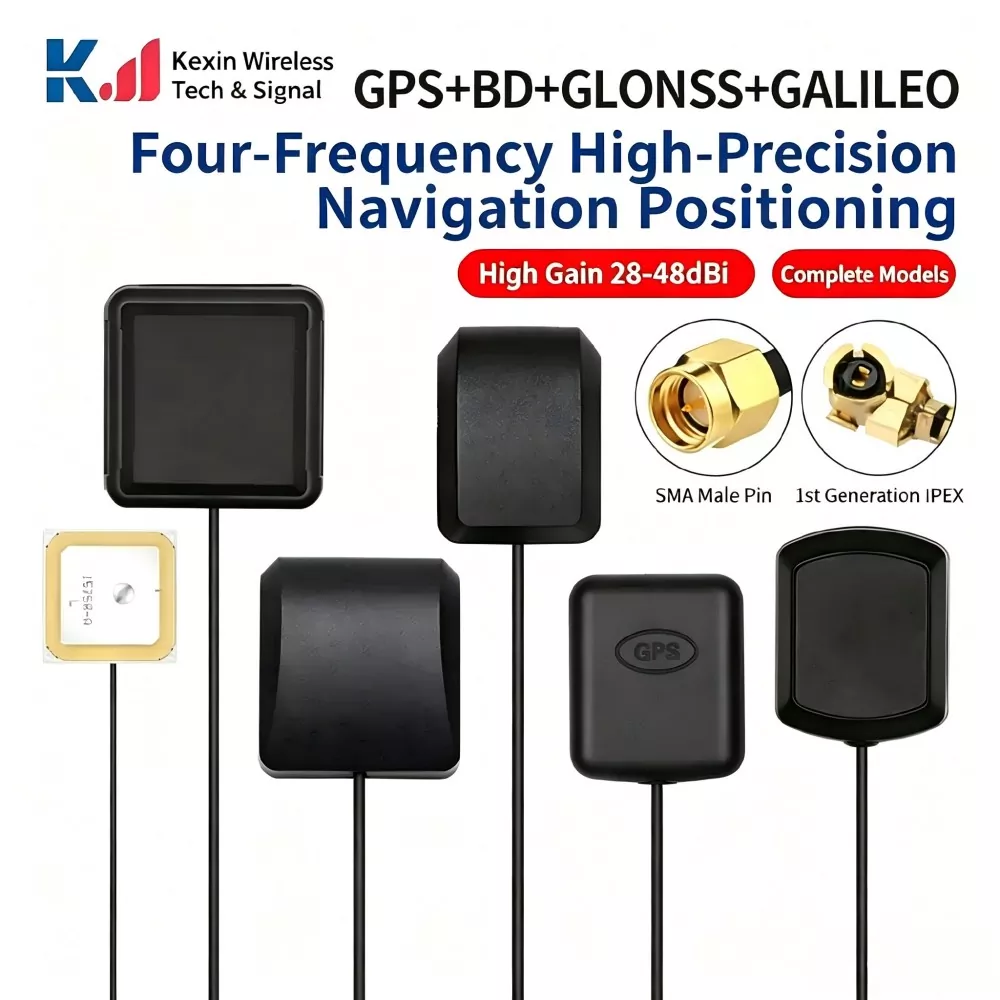
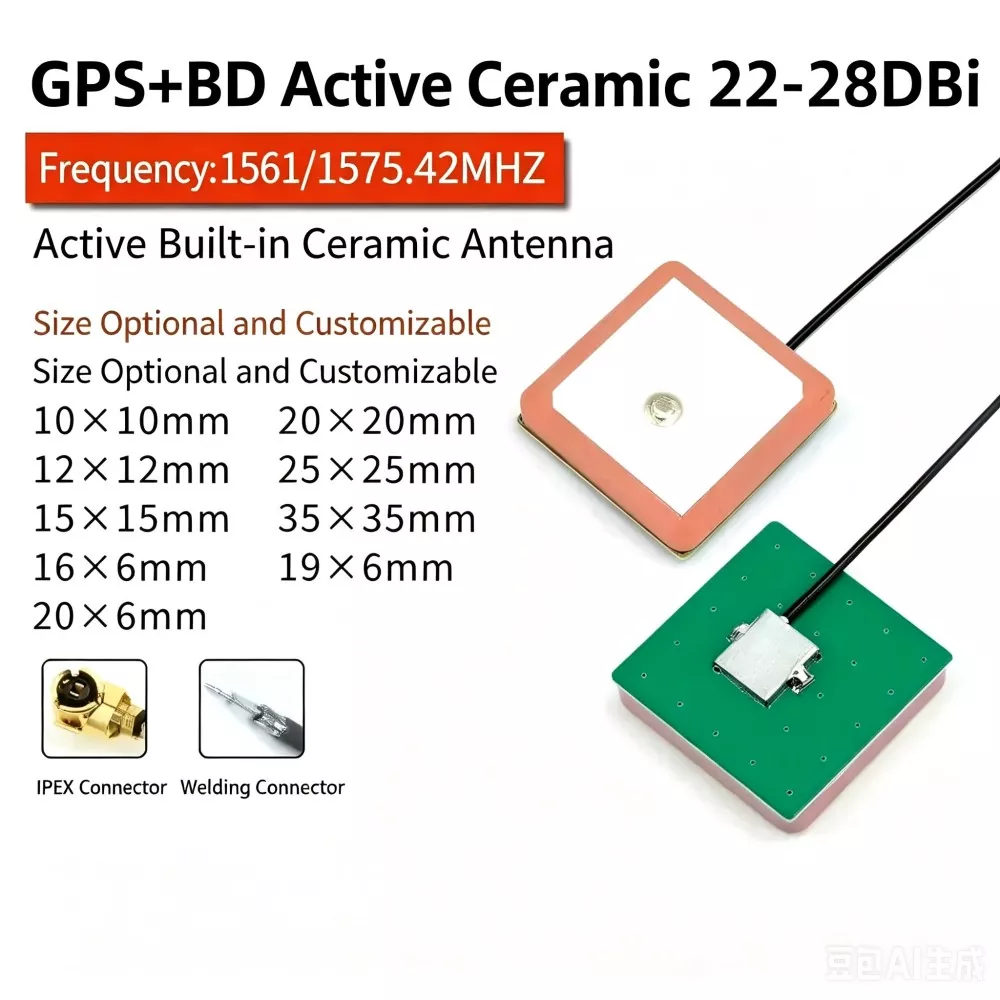
A GPS BeiDou Antenna is a satellite navigation RF component designed for reception of L1/B1 frequency signals, including GPS L1 (1575.42 MHz) and BeiDou B1 (1561 MHz).
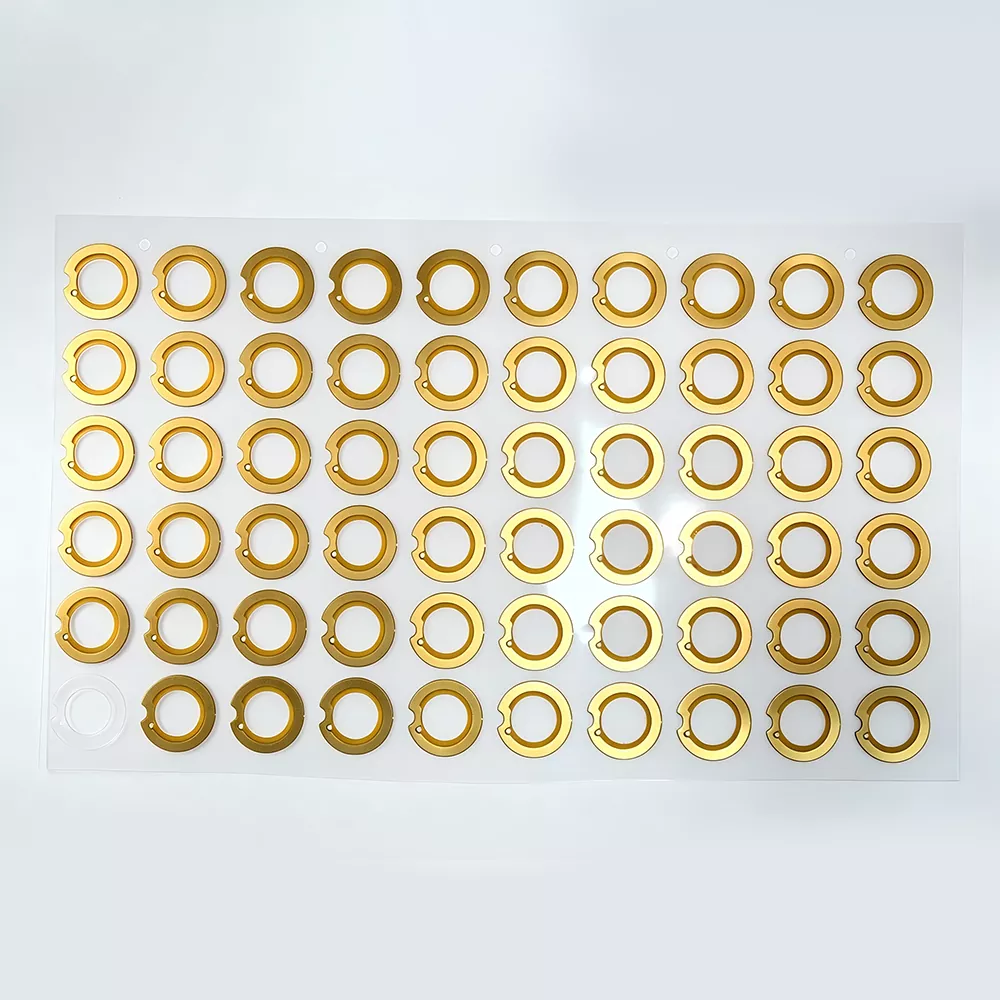
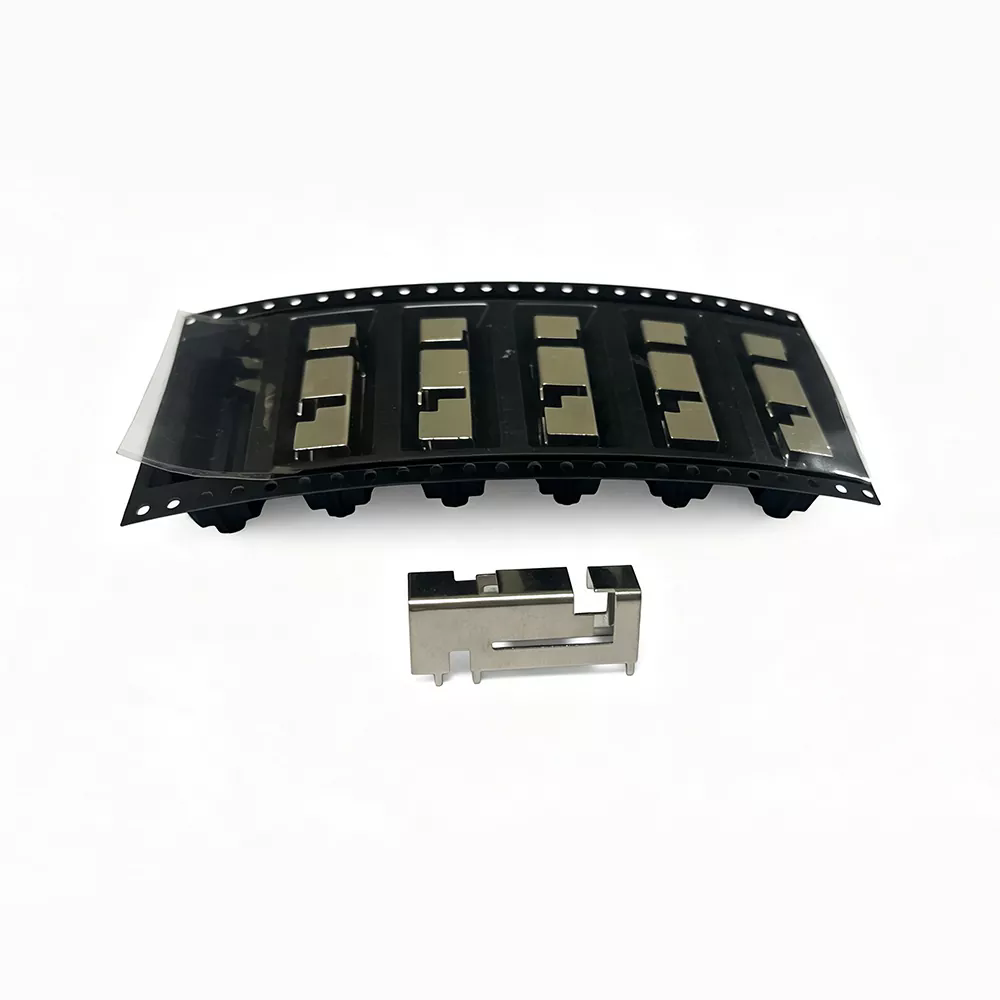
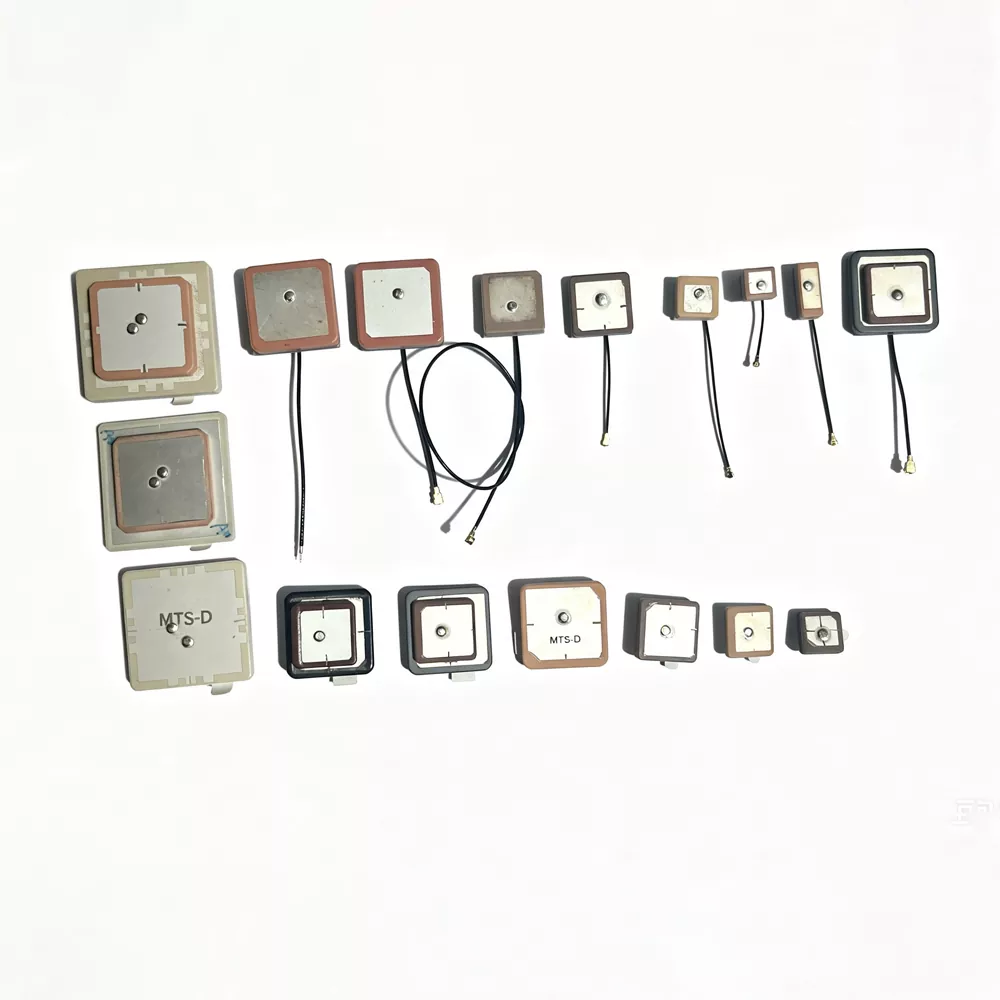
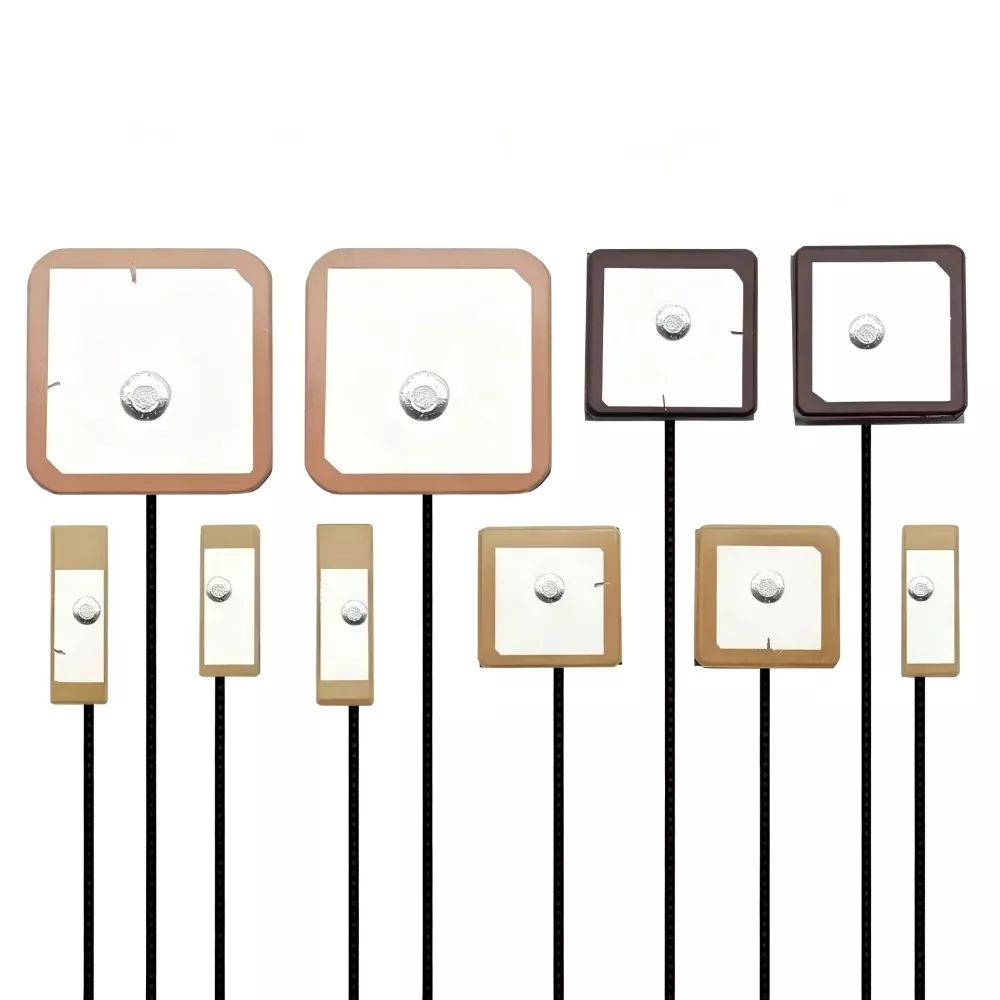
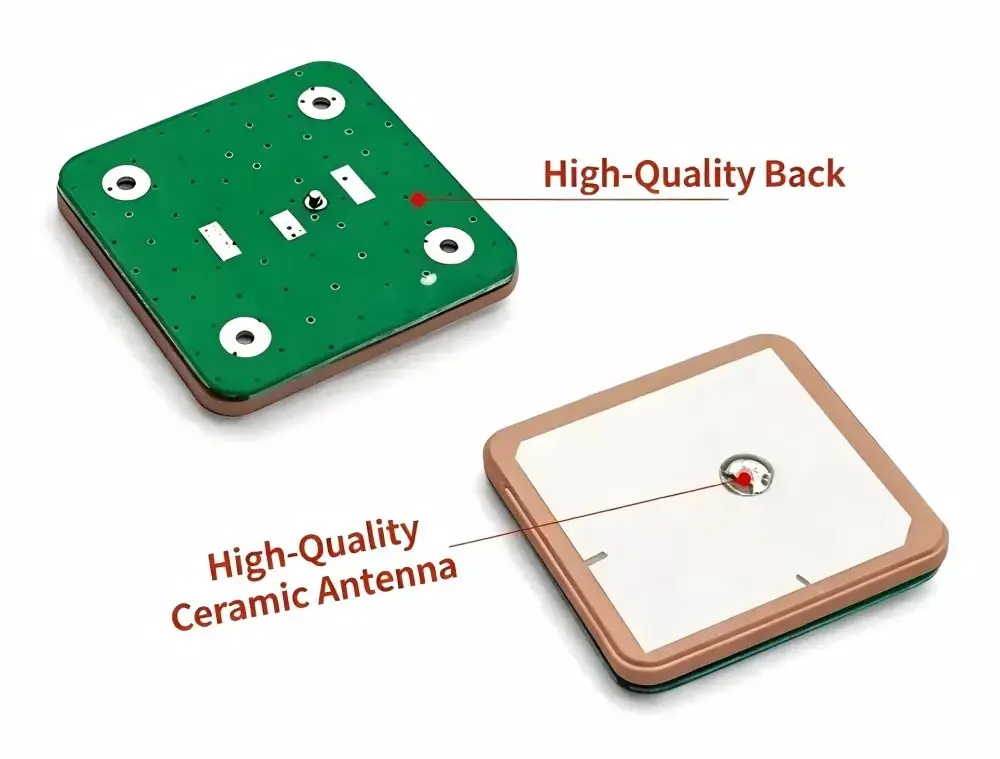
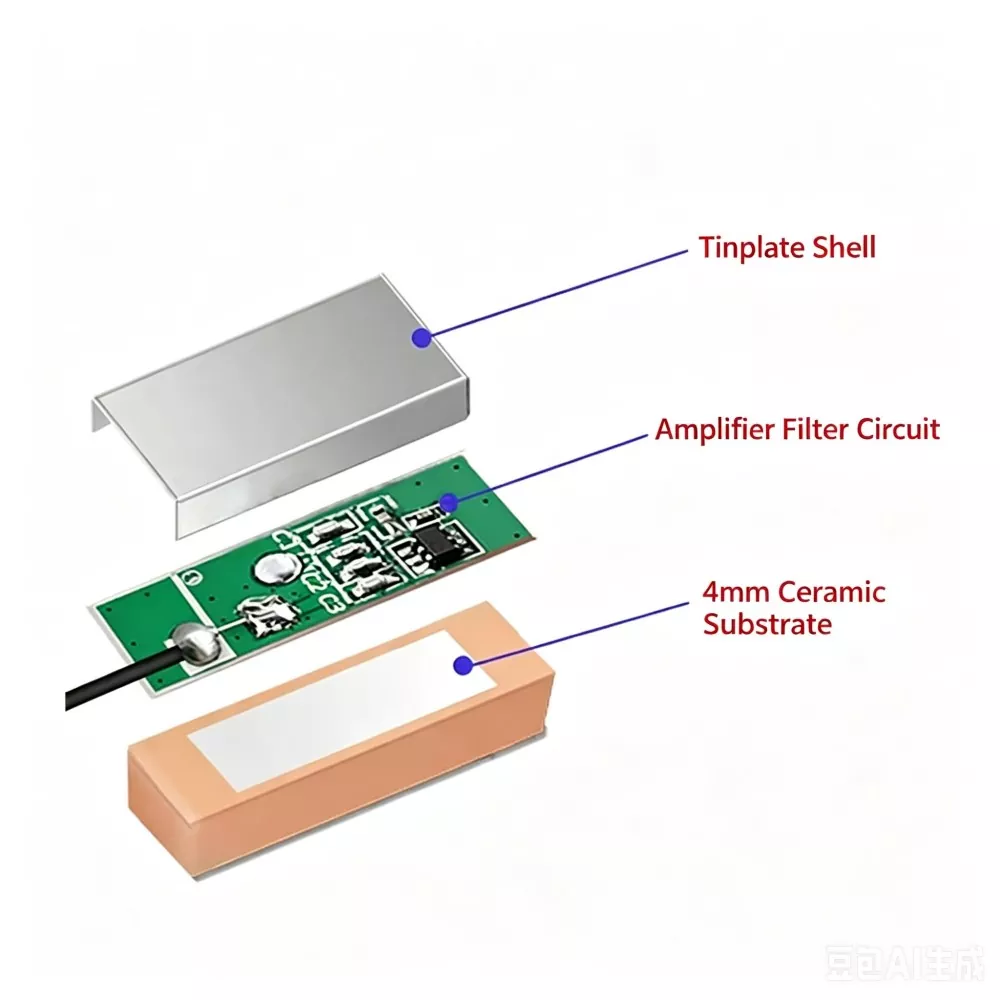
The antenna typically uses a ceramic dielectric patch structure with a high permittivity material. Signal reception is achieved through electromagnetic resonance between the metal patch and ceramic substrate, converting weak satellite RF signals into low-noise electrical signals for GNSS receiver processing.
Right-hand circular polarization (RHCP) is used to match satellite transmission characteristics, reducing polarization mismatch loss in dynamic reception environments.
Compatible Devices
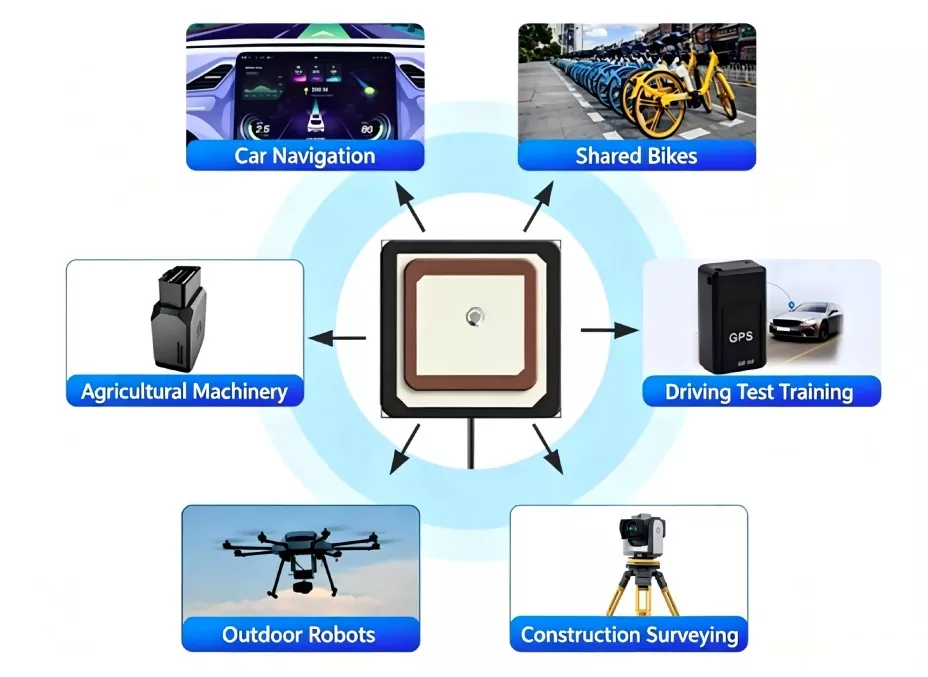
As the sourceFactory, we produce GPS BeiDou Antenna. It boasts exceptional compatibility and is widely used in the following devices:
• In-vehicle and Travel: In-vehicle navigation systems, smart locks for shared bicycles and electric scooters, dashcams, and OBD trackers.
• Internet of Things and Wearables: Smartwatches, child/elderly location badges, miniature pet trackers, asset tracking tags.
• Industry and Surveying: High-precision surveying and mapping terminals, agricultural drone flight controllers, industrial IoT sensors, handheld PDAs.
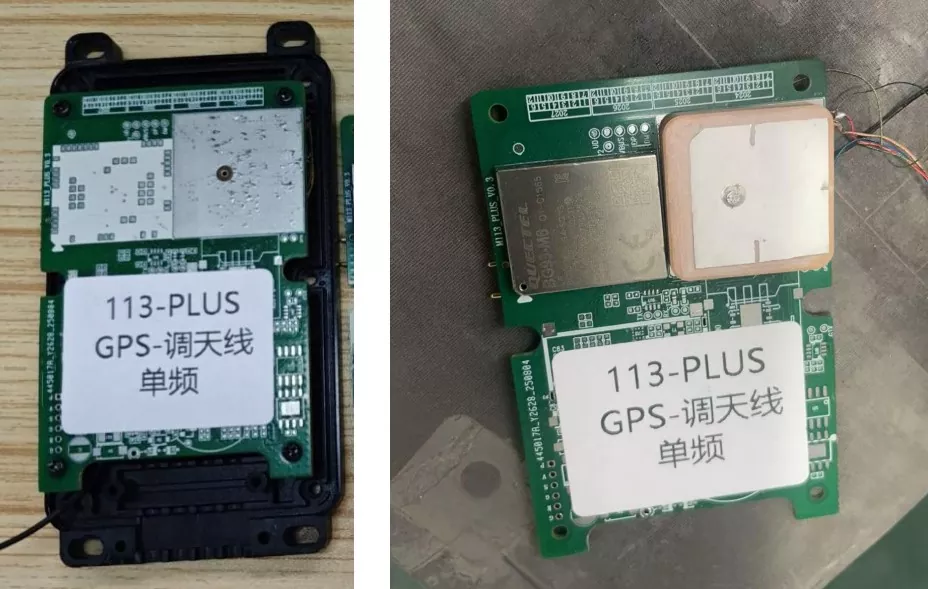
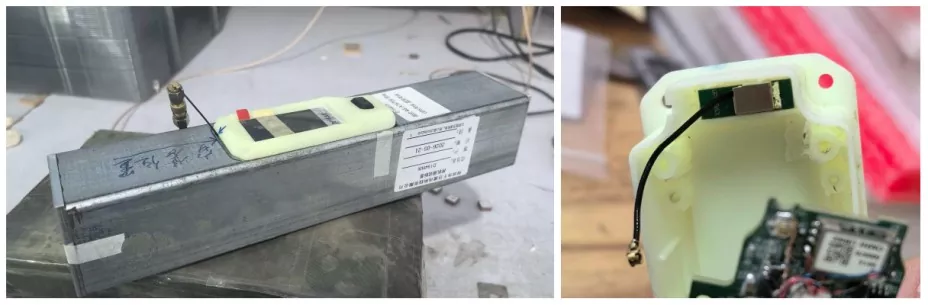
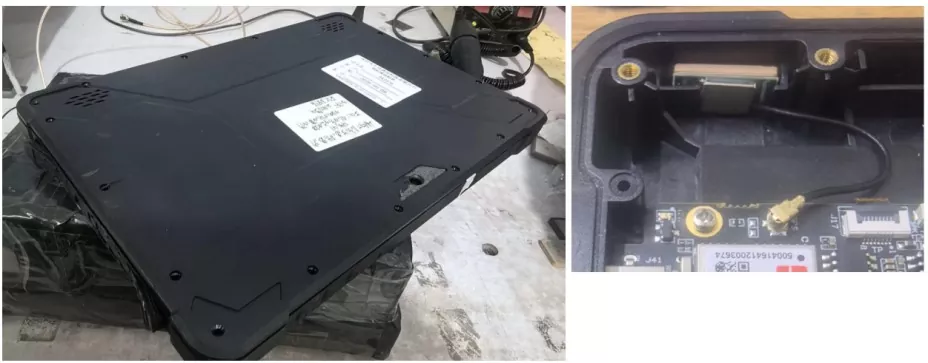
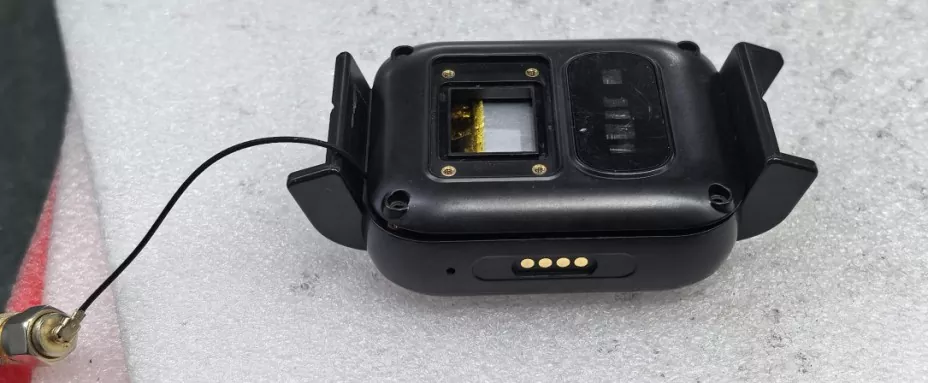
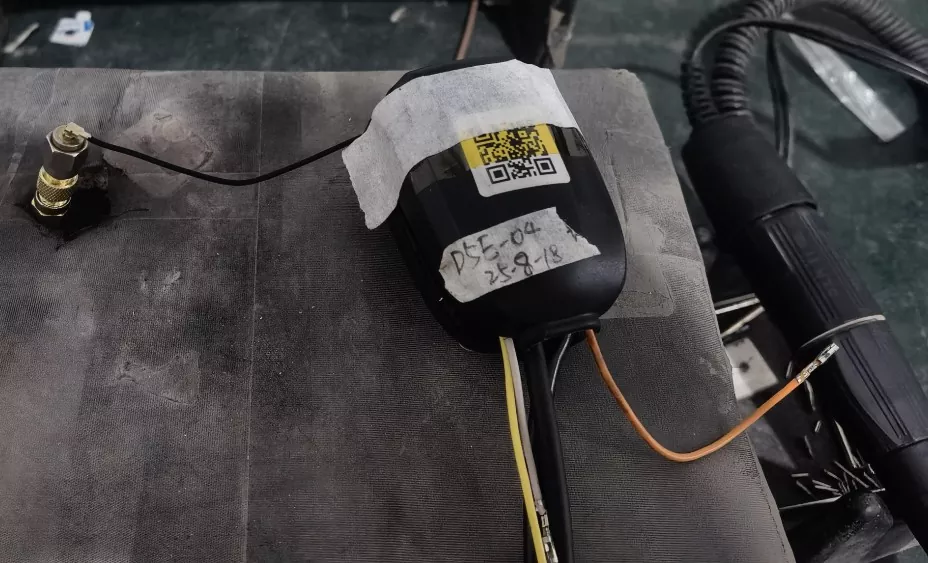
Core Selling Points and Real Measured Data
We Factory Production GPS External Antenna Possesses the following core advantages:
1. The ultimate balance of size and performance: Using multi-layer low-temperature co-fired ceramic (LTCC) technology, this component maintains a stable resonant frequency even in an ultra-thin package measuring just 16×6×4.5mm, making it ideal for space-constrained miniature IoT devices.
2. Excellent weak-signal detection capability: Equipped with a high-performance LNA (low-noise amplifier), the measured noise figure (NF) is ≤2.0 dB, and the gain can reach 25 dB ± 3 dB. In actual testing, the device's cold-start satellite acquisition time has been reduced to within 25 seconds, and it can stably acquire more than 7 satellites even in urban canyon environments.
3. High temperature stability: The temperature coefficient of the ceramic dielectric is controlled within ±30 ppm/℃. In extreme environments ranging from -40℃ to 85℃, the resonant frequency shift is ≤±5 MHz—far superior to that of conventional PCB antennas.
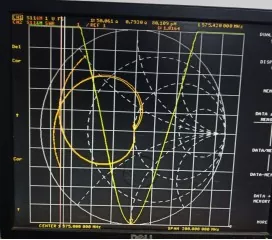
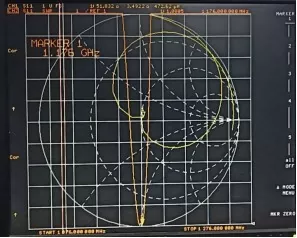
4. Impedance Matching and Anti-Interference: Standard 50Ω impedance design with VSWR ≤ 1.5; optionally available with a ferrite coating on the surface, offering out-of-band suppression ≥ 40 dB and effectively shielding the motherboard from high-frequency interference such as DC-DC converters.
Core Technical Specifications and Parameters
|
Parameter item |
Specification indicators |
Note |
|
Operating frequency band |
1575.42MHz (GPS L1) / 1561 MHz (Beidou B1) |
Supports multi-modal customization |
|
Polarization mode |
Right-hand circular polarization (RHCP) |
Axial ratio ≤ 3 dB |
|
Input impedance |
50Omega |
Perfect match for RF front-end |
|
Voltage Standing Wave Ratio (VSWR) |
≤1.5 |
Signal reflection loss is extremely low. |
|
LNA gain |
25dB ± 3dB |
Customizable according to needs |
|
Noise Figure (NF) |
≤2.0 dB |
Ensure reception of weak signals |
|
Operating temperature |
-40℃ ~ +85℃ |
Industrial-grade weather resistance standard |
|
Connector type |
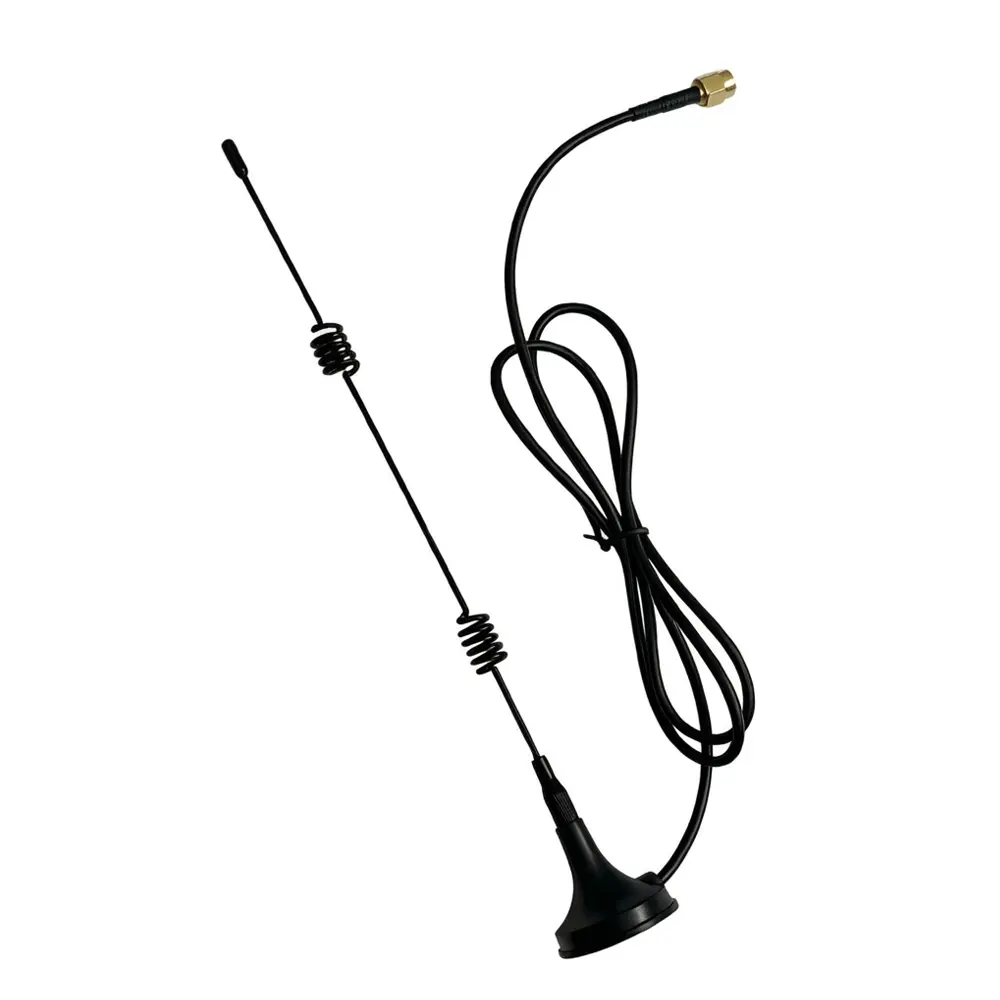
IPEX-1 / U.FL / SMA |
Supports custom cable length. |
In-depth comparison with competing products
|
Comparison dimension |
Thousand-Eye Communications GPS External Antenna |
Standard PCB-mounted antenna |
Low-quality white-label antenna |
|
Radiation efficiency |
7585% - 85% |
6070% - 70% |
<40% (severe misrepresentation) |
|
Frequency offset stability |
±5 MHz (wide temperature) |
±10 MHz (susceptible to temperature drift) |
Severe frequency offset, unable to acquire satellite lock. |
|
Anti-interference capability |
Strong (with shielding design) |
Weak (susceptible to motherboard noise coupling) |
Extremely poor (no filtering design) |
|
City positioning accuracy |
Error < 5 meters |
Error: 10–20 meters |
Drifting badly, with trajectories flying all over the place. |
1. Clearance Requirements
The antenna must be placed in an unobstructed area. No large metal objects should be present within a 30° elevation angle above the antenna. A continuous 7 cm × 7 cm ground plane should be reserved beneath the antenna as a reflector, with no routing allowed directly under the active area.
2. EMI Isolation
Keep the antenna away from high-noise components such as DC-DC converters, crystal oscillators, CPUs, and speakers. A minimum separation distance of 2 cm is recommended.
3. Impedance Control
Maintain a 50Ω controlled impedance from the antenna feed point to the GNSS module. RF traces should be kept short, with smooth routing and no right-angle bends.
4. Orientation Control
The ceramic surface must face upward and remain parallel to the ground plane. Tilt angle should not exceed 15° to maintain stable RHCP reception characteristics.
RF Engineering Considerations
1. Ground plane dependency
A GNSS antenna requires a stable ground plane. Performance is directly correlated with ground size and symmetry.
2. Multipath environment sensitivity
Urban environments introduce signal reflection paths that degrade positioning accuracy and increase dilution of precision (DOP).
3. LNA contribution
Low-noise amplifier gain improves acquisition sensitivity but also increases susceptibility to out-of-band interference if filtering is insufficient.
4. Frequency stability
Ceramic dielectric temperature coefficients affect resonant drift under thermal cycling conditions.
How to Choose the Right Product?
When selecting a GPS External Antenna, consider the following key factors:
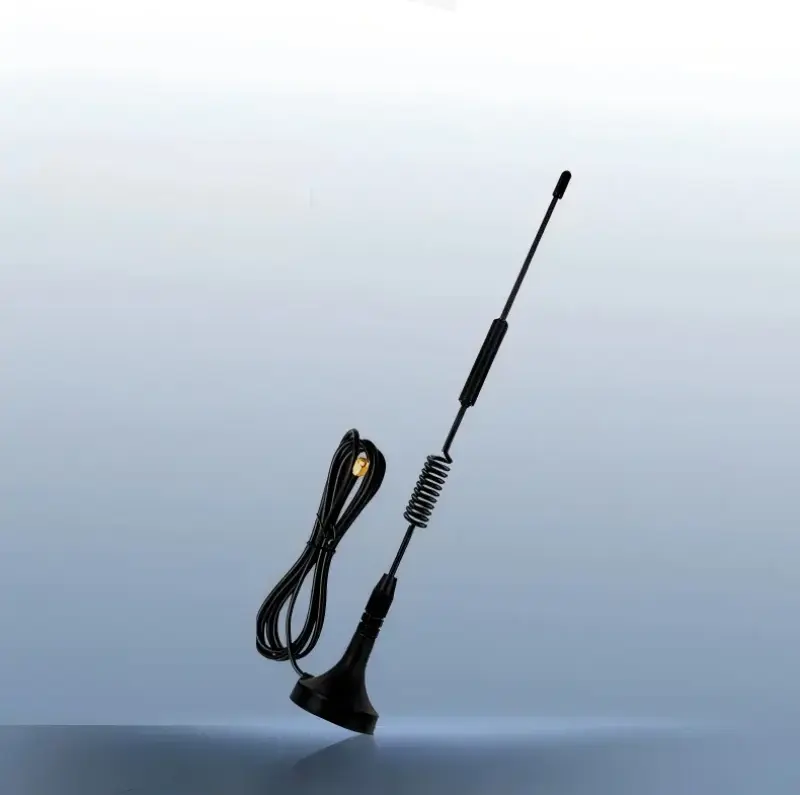
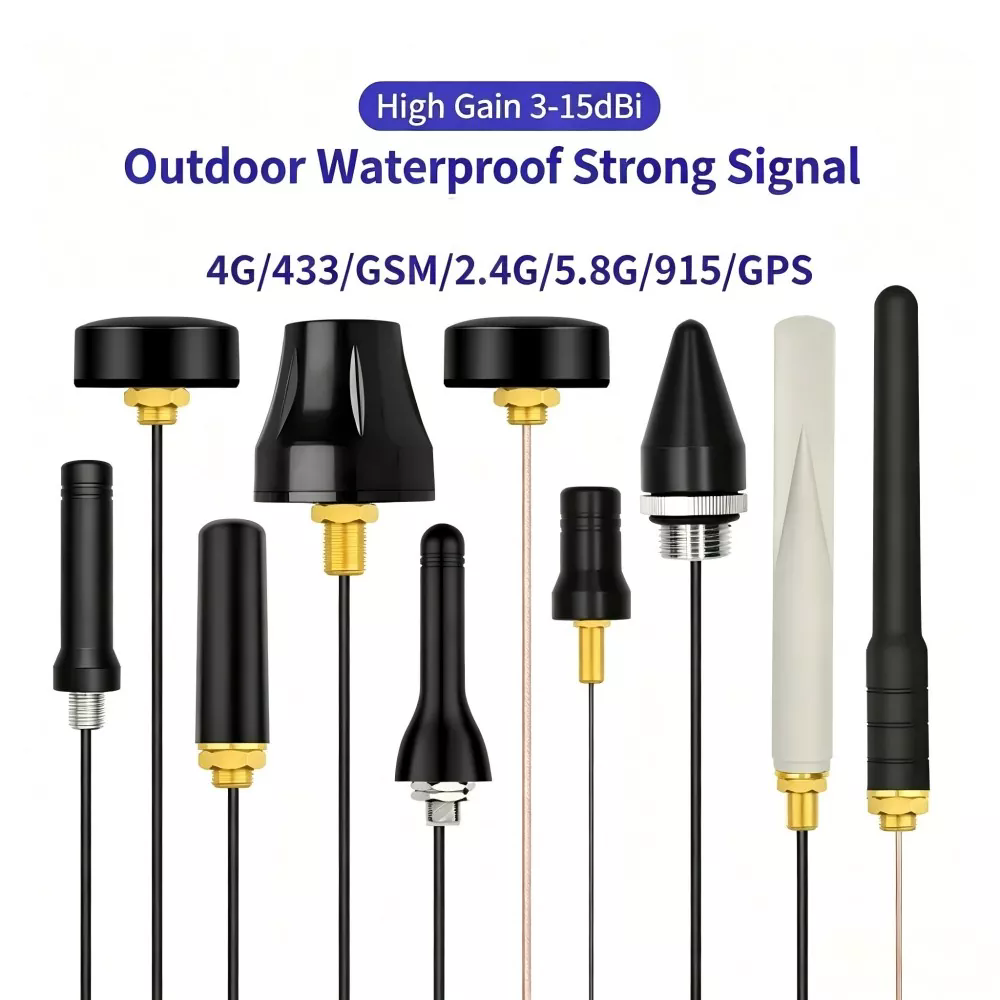
1. Frequency and polarization Confirm whether the device requires GPS L1, BeiDou B1, or dual-frequency support. Do not mix circularly polarized GNSS antennas with linearly polarized antennas such as 2.4G types, as this will result in mismatch and degraded reception.
2. Installation space For compact devices, a ceramic antenna is typically used due to its small form factor. For cost-sensitive applications with sufficient space, PCB antennas may be considered. In complex RF environments, ceramic antennas provide more stable performance.
3. Active or passive design If the device has a metal enclosure or a long RF feed line (>1 m), an active antenna with an integrated LNA is recommended to compensate for signal loss.
4. Validation data Selection should be based on measured field performance (e.g., satellite acquisition, C/N0, cold start time), not only laboratory specifications.
Why Choose Us (Qianmu Communications)?
• Direct supply from the source factory: We reject middlemen's profit margins and offer highly competitive ex-factory prices with flexible MOQs.
• Strong R&D and customization capabilities: We have a team of professional RF engineers who can quickly customize the ceramic chip size, silver layer shape, and LNA gain based on your ID structure and PCB layout.
• Real-case validation: Our products have been successfully integrated into the supply chains of several leading bike-sharing, in-vehicle navigation, and smart wearable brands, resolving countless issues such as "slow star search and frequent star loss."Problem.
• Full Lifecycle Services: We provide one-stop technical support—from pre-sales impedance matching simulations and antenna layout guidance to rapid analysis of defective products after sales.
FAQ
Q1: Can ceramic antennas in different frequency bands be used interchangeably?
A: No. GNSS antennas and 2.4G/5.8G antennas use different polarization types and operating mechanisms. GNSS antennas are typically RHCP, while 2.4G/5.8G antennas are linearly polarized. Mismatch between polarization and frequency results in significant signal degradation or loss of satellite lock.
Q2: Why does antenna size affect performance?
A: Ceramic antenna performance is related to effective radiating area and dielectric constant. A larger ceramic volume generally improves gain and sensitivity. However, in compact designs, performance can be partially optimized through antenna tuning and ground plane design.
Q3: What is the impedance of the GPS External Antenna?
A: The standard design impedance is 50Ω, which is commonly used in GNSS RF front-end systems. Custom impedance values can be supported depending on system-level matching requirements.
Q4: How is installation performance verified?
A: Evaluation is typically based on GNSS receiver metrics such as satellite acquisition count, SNR (signal-to-noise ratio), and cold-start time under open-sky conditions. For stable operation, multiple satellite locks and consistent C/N0 values are expected in a standard test environment
Hot Tags: GPS BeiDou Antenna Manufacturer, BeiDou GPS Antenna Supplier, Wholesale
Send Inquiry
Contact Info
-
Address
Hangcheng High-tech Industrial Park, Hangkong Road, Sanwei Community, Hangcheng Subdistrict, Bao'an District, Shenzhen City, Guangdong Province, China
-
Tel
-
E-mail
Contact Qianmu Communication for professional antenna solutions and customized manufacturing services. As a reliable antenna manufacturer, supplier and factory in China, we provide technical consultation, product customization, sample testing and production support for customers worldwide.