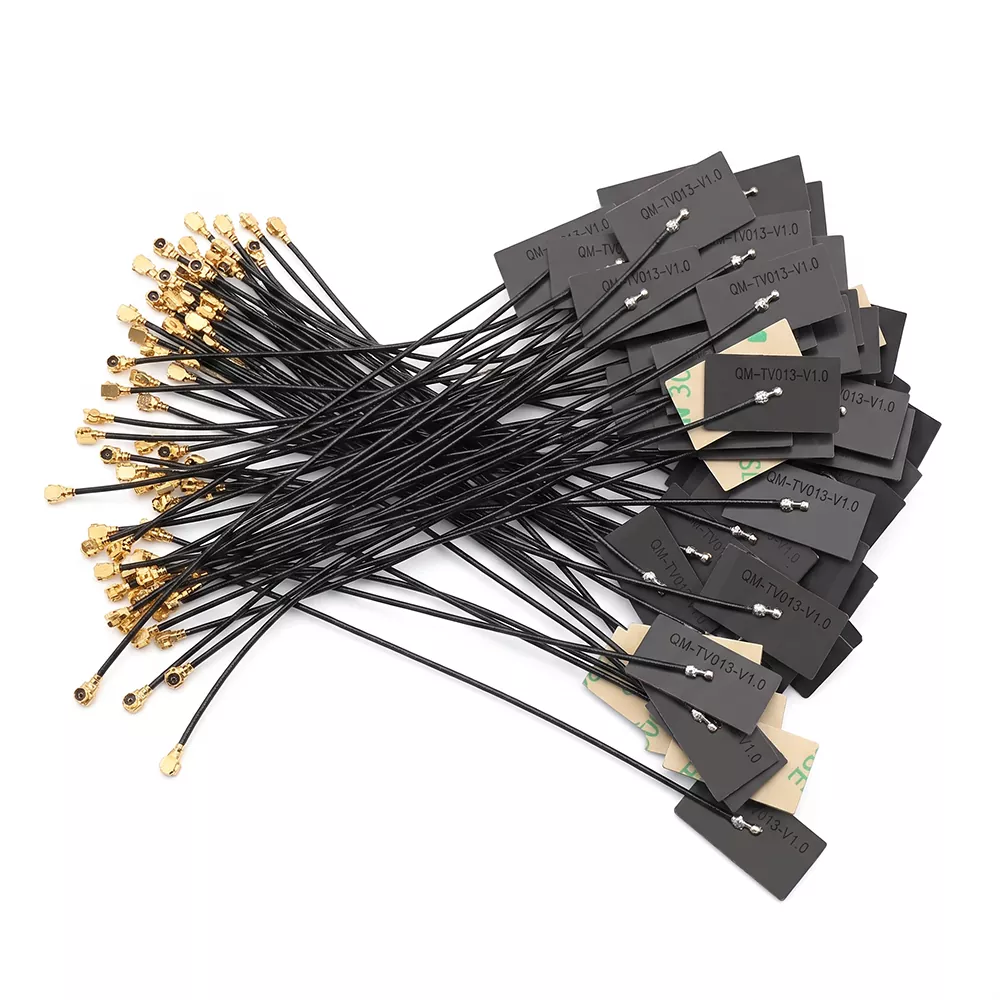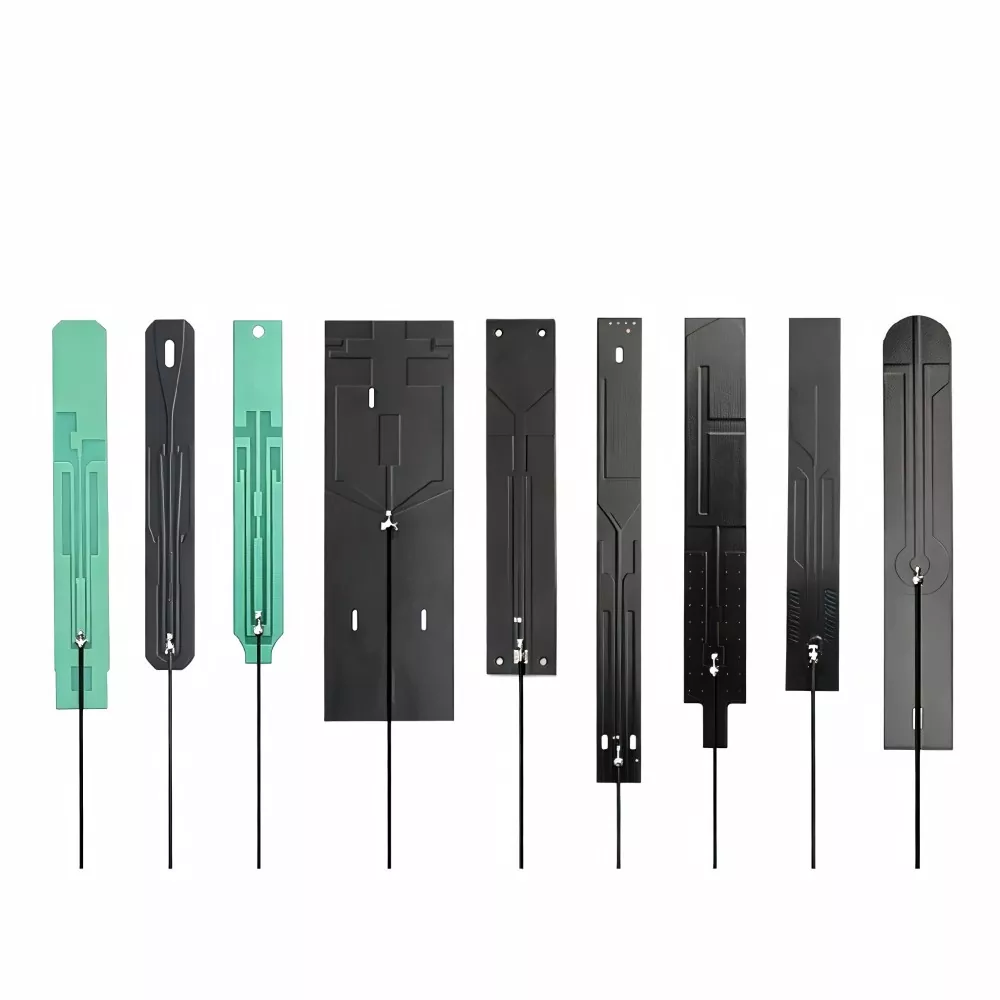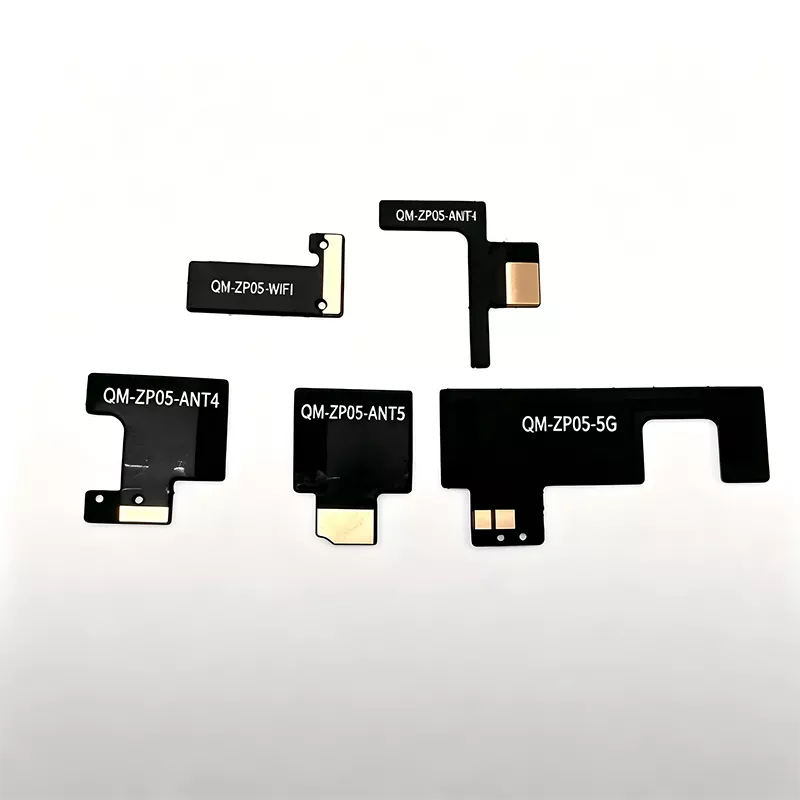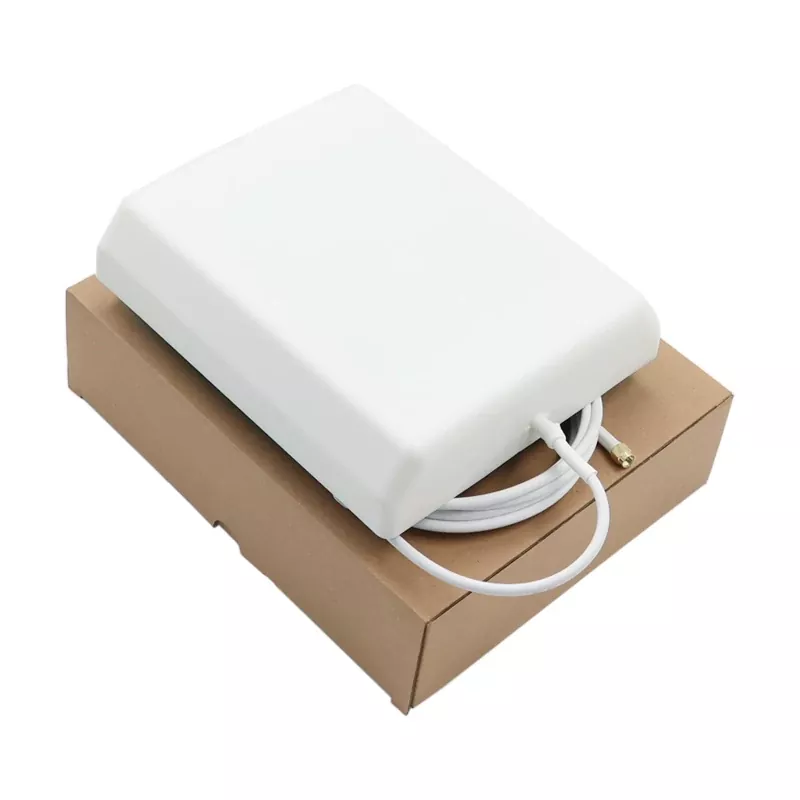
As shared bicycles, e-bikes, and electric scooters become increasingly connected, reliable wireless communication is essential for smart locking, positioning, fleet monitoring, and remote management. Qianmu develops the Shared Bike Antenna specifically for compact smart-lock environments, helping overcome signal attenuation caused by metal housings, batteries, circuit boards, vibration, and limited installation space. Its design supports NB-IoT, 4G Cat.1/LTE communication and optional GPS/BeiDou positioning for connected two-wheel mobility applications.
A Shared Bike Antenna is more than a small RF component installed inside a bicycle lock. It is a critical part of the communication system that enables connected vehicles to exchange data with cloud platforms and receive remote commands. Because smart locks have confined cavities containing batteries, metal structures, PCBs, and other electronic components, antenna selection and RF tuning can directly affect communication reliability and energy consumption.
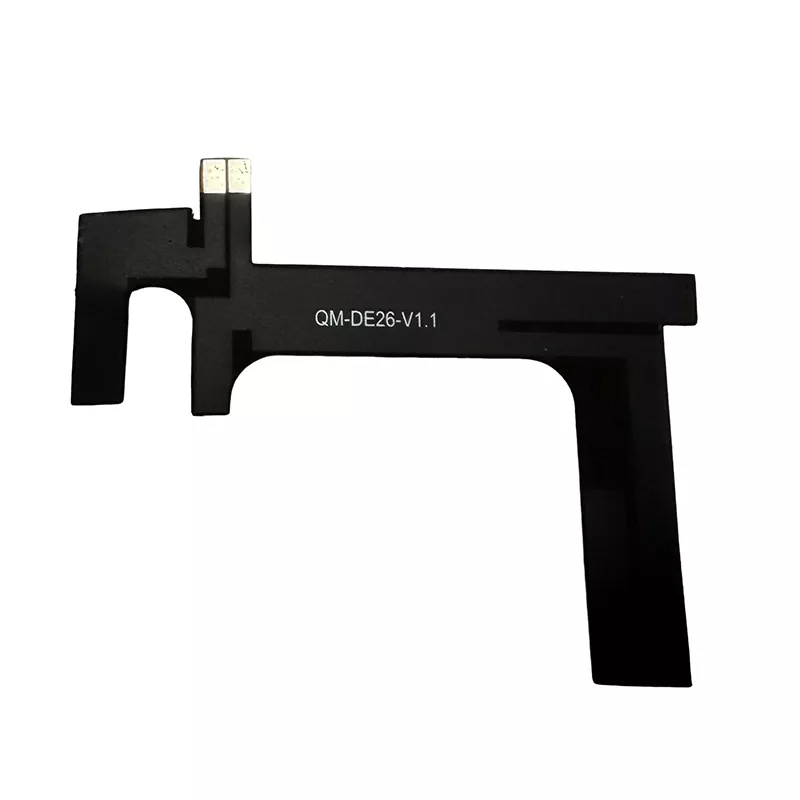
Table of Contents
- What Is a Shared Bike Antenna?
- Why Does Antenna Performance Matter for Shared Mobility?
- How Does a Shared Bike Antenna Work?
- What Are the Key Features?
- Technical Specifications at a Glance
- Where Can It Be Used?
- How Should It Be Installed?
- How Should You Choose the Right Antenna?
- What Should Buyers Ask a Manufacturer?
- Frequently Asked Questions
- Conclusion
What Is a Shared Bike Antenna?
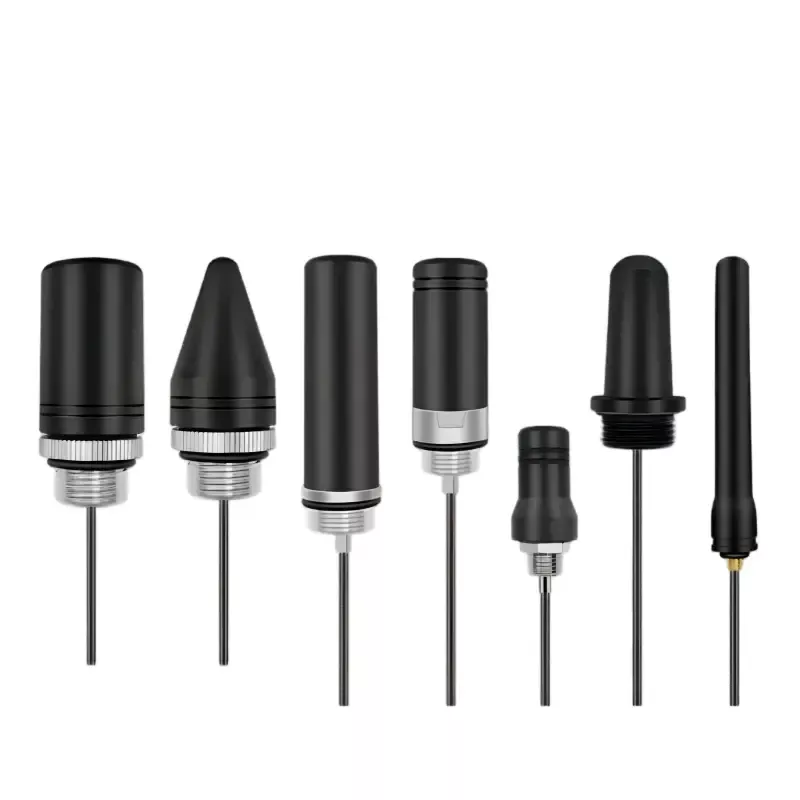
A Shared Bike Antenna is a compact IoT RF antenna designed to operate inside the smart-lock or communication enclosure of connected bicycles and electric two-wheel vehicles. Unlike conventional external antennas, it is integrated into the product housing, helping maintain a clean appearance while reducing the risk of accidental impact, breakage, or unauthorized removal.
The antenna works together with the smart-lock mainboard and cellular communication module. It can support wireless data transmission for functions such as vehicle reporting, lock status, battery information, fault information, remote unlocking, and fleet management. Depending on the system architecture, it can also be integrated with positioning functions such as GPS and BeiDou.
For manufacturers developing connected bicycles, the key challenge is not simply finding an antenna with suitable electrical parameters. The antenna must perform reliably after being installed inside the actual lock housing. This makes RF tuning, mechanical integration, cable routing, and environmental testing particularly important.
Why Does Antenna Performance Matter for Shared Mobility?
Shared mobility vehicles operate in constantly changing environments. A bicycle may move through streets, parking areas, underground facilities, dense urban districts, and locations surrounded by buildings or other vehicles. At the same time, the antenna is often installed inside a small enclosure containing metal brackets, lithium batteries, motors, and electronic boards.
A poorly matched antenna can therefore cause communication instability or increased power consumption. For large-scale fleet operators, even a small reliability problem can become significant when multiplied across thousands of vehicles.
- Reliable connectivity: Stable RF performance helps smart locks communicate with remote platforms.
- Efficient power usage: Reduced RF loss can help minimize unnecessary transmission power.
- Accurate positioning: Properly designed communication and positioning antennas support location-related functions.
- Mechanical reliability: Reinforced cable exits and suitable mounting methods help withstand continuous vibration.
- Compact integration: Slim antenna structures make better use of limited internal lock space.
How Does a Shared Bike Antenna Work?
The communication process can be understood as a continuous transmit-and-receive cycle between the smart-lock electronics and the wireless network.
- The smart-lock mainboard generates an RF signal through its communication module.
- A feeder cable transfers the signal from the RF port to the built-in antenna.
- The antenna converts the electrical RF signal into electromagnetic radiation that propagates through the non-metallic housing.
- The wireless network receives information such as vehicle status, battery condition, positioning data, and fault information.
- Remote commands are received by the antenna and converted back into electrical signals for the smart-lock mainboard.
Impedance matching is especially important in this process. A standard 50Ω RF system helps ensure appropriate compatibility between the communication module, feeder cable, and antenna. However, the final antenna performance can still be affected by the physical lock cavity, so testing the complete assembled product is more meaningful than evaluating the antenna alone.
What Are the Key Features?
Cavity Anti-Interference Tuning
Smart-lock cavities can create complex electromagnetic conditions. Qianmu's antenna solutions can be tuned according to the actual housing, metal components, battery position, and PCB layout. This approach helps maintain more stable RF performance in confined spaces.
Compact and Flexible Construction
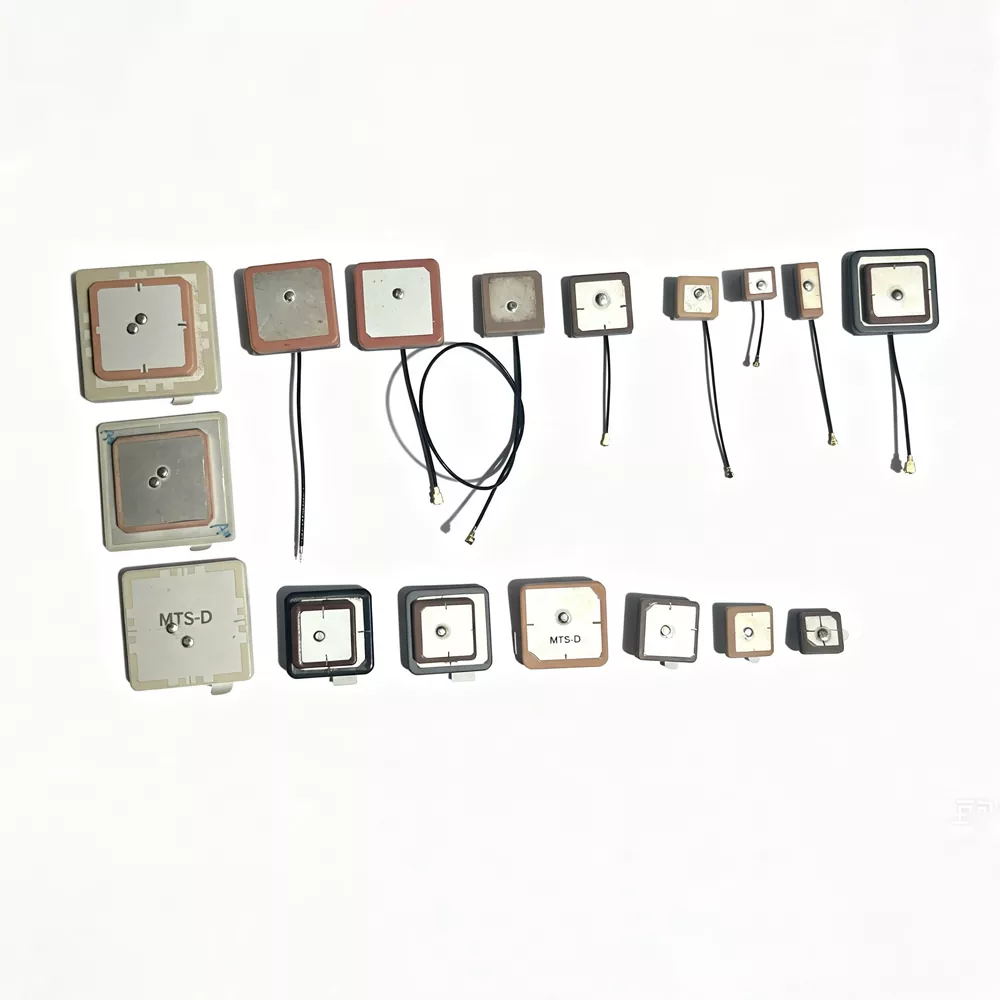
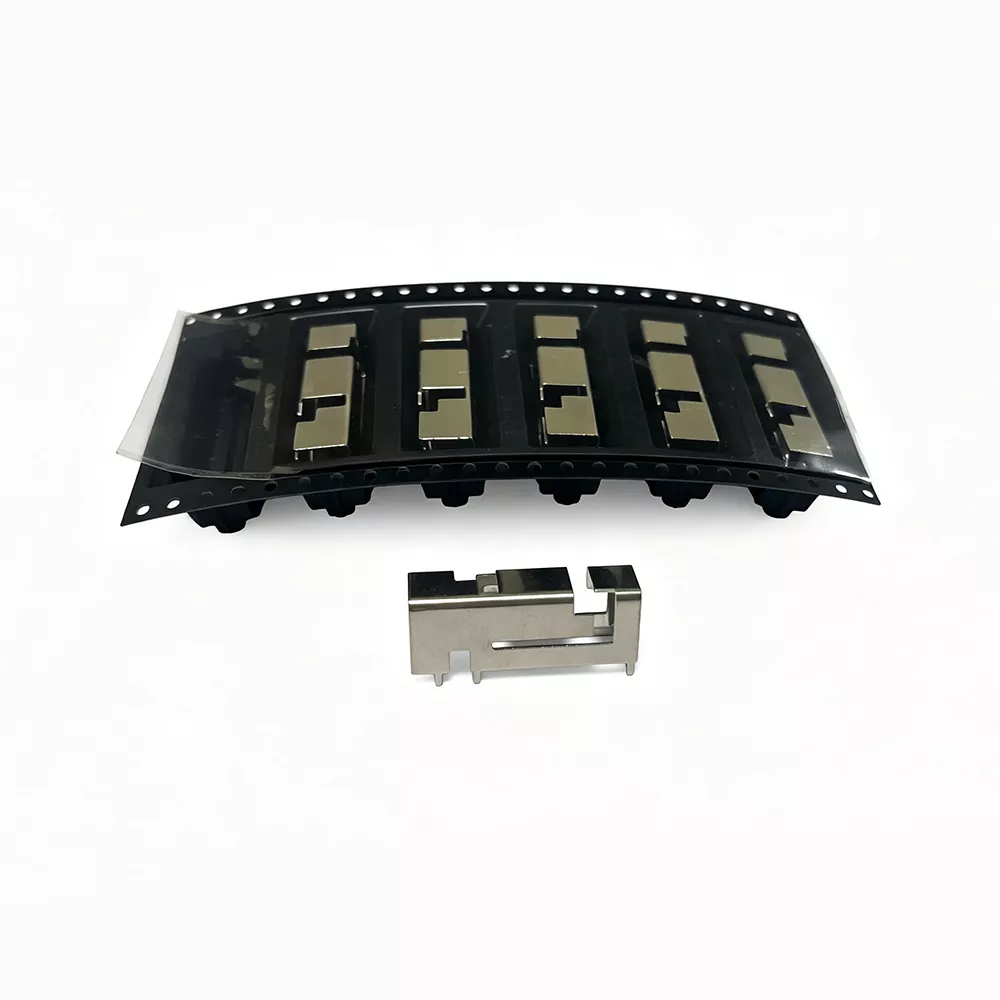
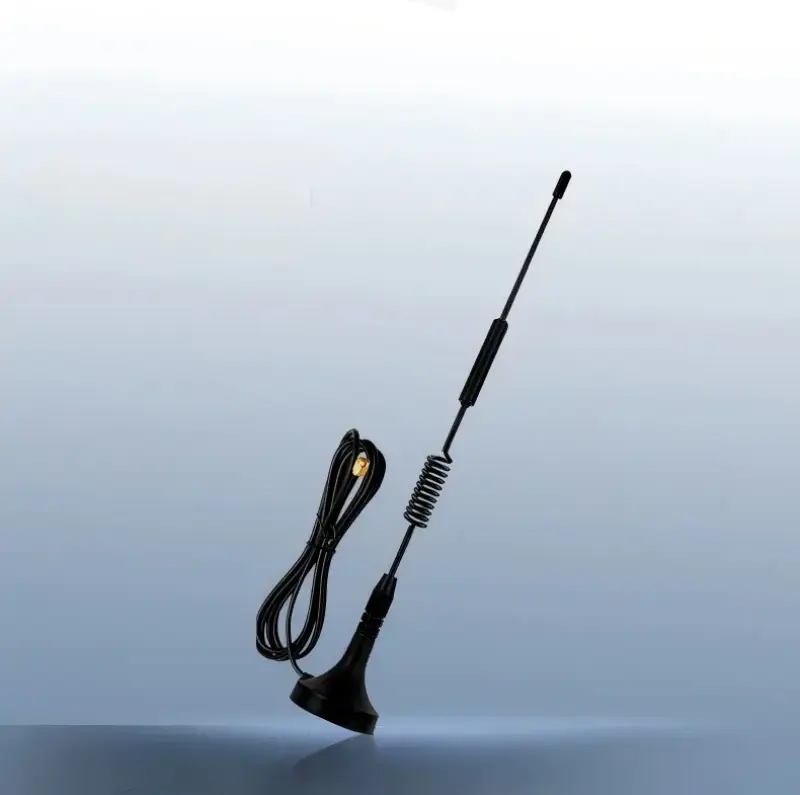
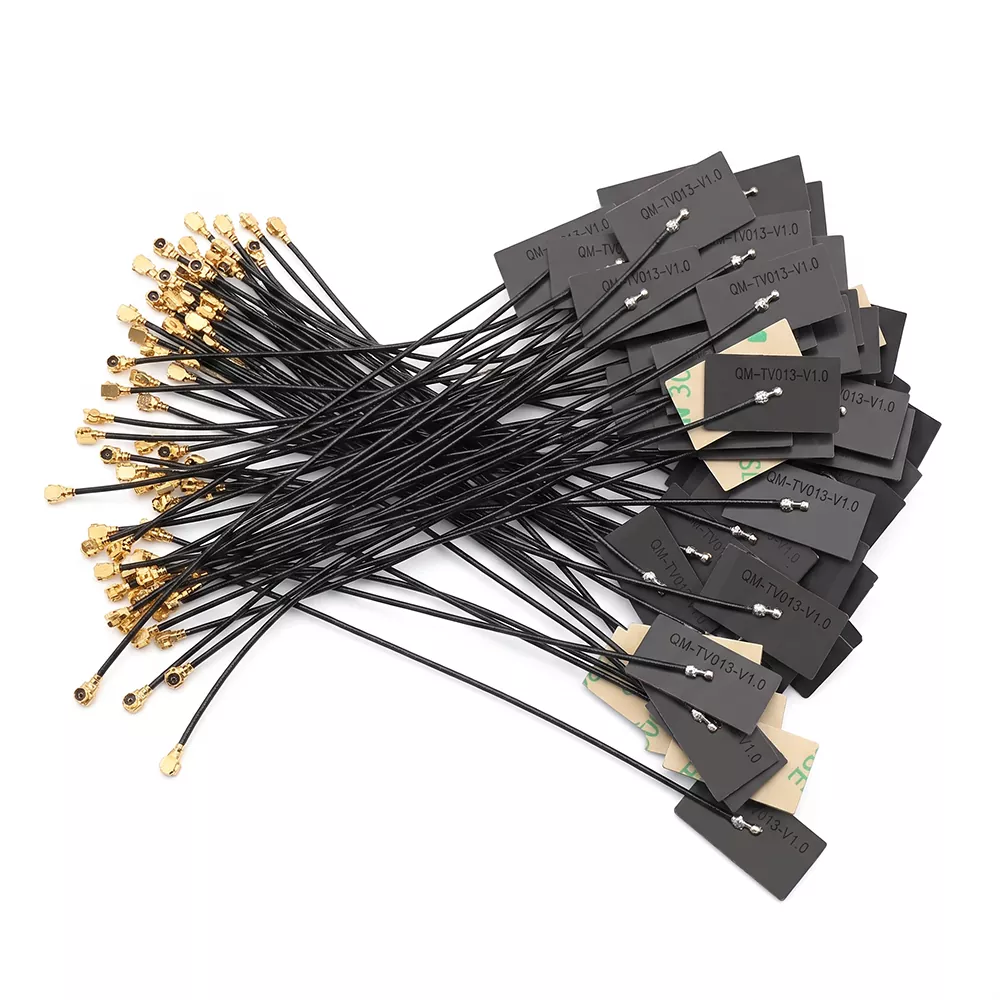
Different smart-lock structures require different antenna forms. Available configurations can include FPC flexible antennas, ceramic antennas, spring antennas, and PCB antennas. This flexibility allows engineers to select a form factor appropriate for the available cavity.
Vibration Resistance
Shared bicycles are exposed to repeated shocks and road vibration. Cable joints and soldered connections can become potential failure points if the antenna assembly is not mechanically reinforced. Qianmu's product information specifies a 500-hour simulated road vibration reliability test covering a 5–2000 Hz cycling range without electrical failure.
Low-Power RF Optimization
Communication reliability and energy efficiency are closely connected. Optimizing RF link loss can reduce the need for excessive transmission power, helping support longer battery replacement intervals and potentially reducing fleet maintenance requirements.
OEM and ODM Customization
For projects requiring specific dimensions, frequency bands, connectors, or cable lengths, customization can be more effective than selecting a generic antenna. Qianmu supports customized antenna development according to housing dimensions and internal component arrangements.
Technical Specifications at a Glance
| Parameter | Specification |
|---|---|
| Supported Communication | NB-IoT / 4G Cat.1 LTE |
| Positioning | GPS / BeiDou dual positioning support |
| Nominal Impedance | 50Ω |
| Antenna Forms | FPC, ceramic, spring, PCB |
| Operating Temperature | -40°C to +75°C |
| Connector Options | IPEX1, IPEX4, MMCX, customizable |
| Feeder Cable | RG-178, customizable length |
| Vibration Reliability | 5–2000 Hz, 500-hour cycling test |
| Installation | Adhesive bonding, snap-fit fastening, welding |
Actual antenna performance depends on the complete device architecture. Therefore, the values above should be considered product-level reference specifications rather than a substitute for RF testing inside the final smart-lock enclosure.
Where Can It Be Used?
The Shared Bike Antenna is primarily intended for connected two-wheel mobility products, but its compact built-in architecture also makes it suitable for several related IoT applications.
- NB-IoT smart bicycle locks
- 4G Cat.1 shared electric bicycle central locks
- Shared electric scooter communication terminals
- Connected fleet-management devices
- Built-in IoT communication modules
- Small outdoor IoT locks
- Smart cabinet and access-control locks
For products combining communication and positioning, an integrated dual-function design can reduce internal wiring and simplify system integration.
How Should It Be Installed?
Correct installation is essential because even a technically capable antenna can experience degraded performance if it is placed incorrectly inside the enclosure.
- Avoid metal obstruction: Position the antenna away from large metal brackets and other conductive structures whenever possible.
- Keep distance from high-current components: Avoid placing the antenna directly beside batteries, motor power circuits, or other major interference sources.
- Secure the antenna: FPC antennas should be firmly bonded to the intended inner surface, while spring antennas should be properly secured.
- Protect the feeder cable: Avoid sharp bends and excessive mechanical tension. The recommended minimum bending radius is at least eight times the cable diameter.
- Secure connectors correctly: IPEX connectors should be pressed vertically into position and removed by holding the connector body rather than pulling the cable.
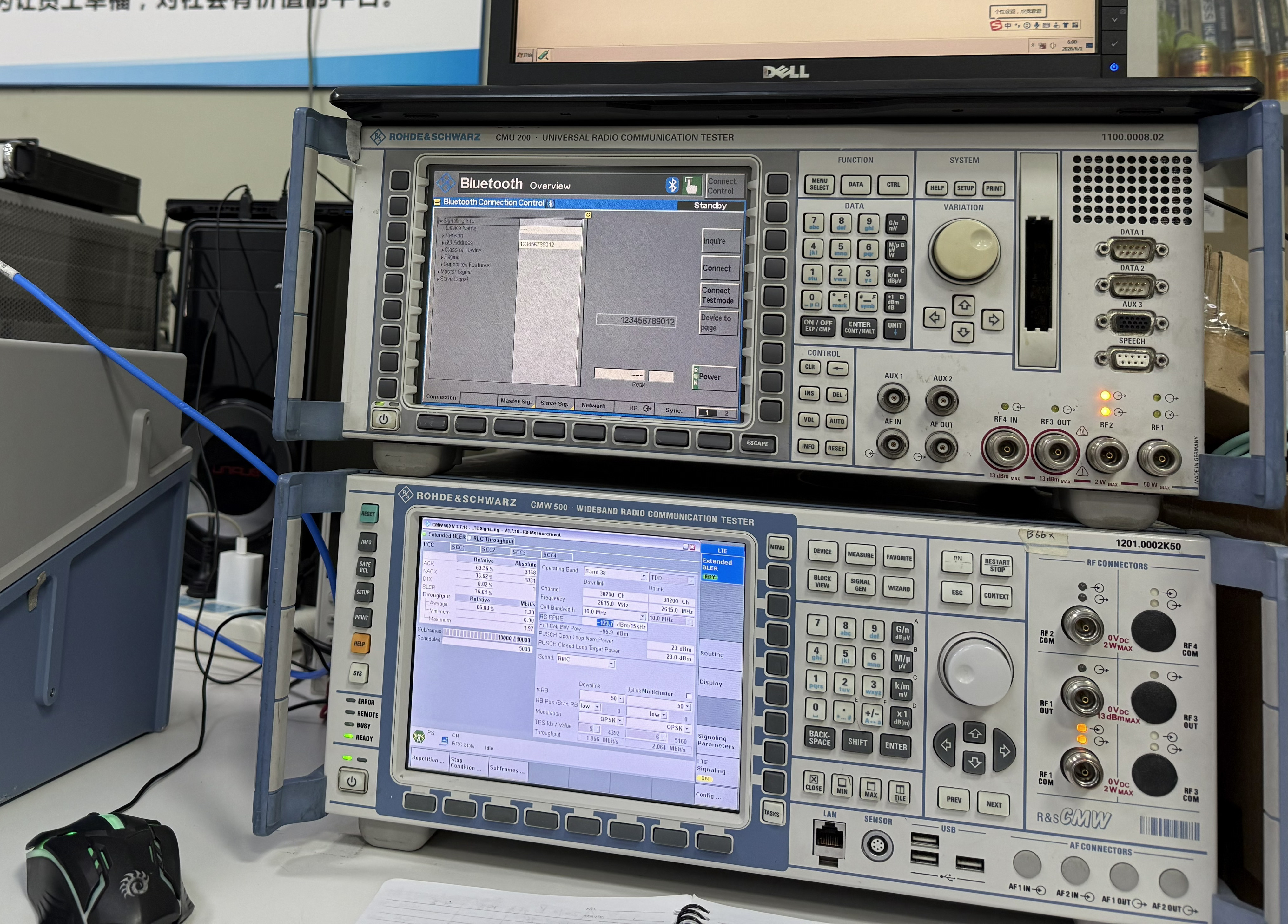
- Test after final assembly: Evaluate RSRP and other relevant communication indicators after the enclosure has been completely assembled and sealed.
The last step is particularly important. The RF environment inside an empty test fixture may differ considerably from that of a finished smart lock containing its battery, PCB, metal parts, wiring, and other components.
How Should You Choose the Right Antenna?
Choosing the right Shared Bike Antenna requires more than comparing price or nominal gain. Procurement and engineering teams should evaluate the complete application environment.
- Confirm communication bands. Determine whether the application uses NB-IoT, 4G Cat.1, LTE-M, or another wireless technology.
- Define positioning requirements. If GPS or BeiDou positioning is needed, confirm whether a dual-function antenna configuration is appropriate.
- Measure the available cavity. Record the available length, width, height, mounting surface, and clearance from metal parts.
- Check the connector. Confirm the RF connector type and cable length before ordering samples or mass-production components.
- Consider environmental conditions. Outdoor shared-mobility equipment requires appropriate temperature and vibration performance.
- Request complete-device testing. Antenna performance should be evaluated after installation inside the actual lock housing.
- Choose an experienced manufacturer. A supplier with RF tuning and customization capabilities can adjust the antenna to the real cavity rather than simply providing an off-the-shelf component.
What Should Buyers Ask a Manufacturer?
For a commercial shared-mobility project, asking the right technical questions can reduce redesign cycles and improve production consistency. Before selecting a China antenna manufacturer, supplier, or factory, buyers should consider the following:
- Can the antenna be tuned according to the actual smart-lock housing?
- Which NB-IoT, LTE, or 4G Cat.1 frequency bands are supported?
- Can cable length and connector type be customized?
- Are FPC, PCB, ceramic, or spring configurations available?
- Can communication and GNSS functions be integrated?
- Can prototype samples be developed before mass production?
- Are RF test reports or production quality records available?
- Can the supplier support OEM/ODM requirements for large fleet deployments?
Qianmu operates as an antenna manufacturer with independent R&D and production capabilities. Its manufacturing process includes antenna forming, assembly, welding, structural fastening, RF debugging, performance testing, and finished-product inspection. This vertically integrated approach can be valuable for projects requiring repeated engineering adjustments and consistent production quality.
For more information about the company's broader antenna capabilities, buyers can explore the Qianmu antenna manufacturer resource or review its communication antenna product range.
Frequently Asked Questions
Does higher antenna gain always mean better Shared Bike Antenna performance?
No. Higher gain does not automatically guarantee better performance in a compact smart-lock cavity. Impedance matching, antenna position, surrounding materials, power consumption, vibration resistance, and the actual enclosure design must all be considered together.
Can a Shared Bike Antenna support both 4G communication and GPS/BeiDou?
Yes. An integrated dual-function antenna configuration can be developed for applications requiring both cellular communication and GNSS positioning. Cable and connector configurations can also be customized according to the project architecture.
Why should antenna testing be performed after the lock is assembled?
The final enclosure changes the electromagnetic environment around the antenna. Batteries, metal structures, PCBs, cables, and other components can affect impedance and radiation characteristics. Therefore, testing the complete assembled product provides a more realistic indication of field performance.
What antenna types can be used in shared-bike smart locks?
Depending on the available cavity and electrical requirements, FPC flexible antennas, ceramic antennas, spring antennas, and PCB antennas can be considered. The best option depends on the enclosure dimensions, mounting method, frequency requirements, and surrounding components.
Can the antenna cable and connector be customized?
Yes. Project-specific configurations can include different cable lengths and connector types such as IPEX1, IPEX4, or MMCX. Customization should be confirmed during the engineering sample stage.
Conclusion
A reliable Shared Bike Antenna is a fundamental component of connected mobility infrastructure. Its performance affects communication stability, remote smart-lock functions, positioning, energy efficiency, and long-term maintenance requirements. For this reason, selecting an antenna based only on basic specifications is not enough. The best solution should match the communication bands, internal cavity, mechanical structure, environmental conditions, and complete smart-lock architecture.
With RF tuning, compact antenna configurations, vibration-oriented design, customized cables and connectors, and OEM/ODM development capabilities, Qianmu can support shared bicycles, e-bikes, scooters, and other compact IoT mobility devices. If you are developing a connected two-wheel vehicle or looking for a reliable China antenna manufacturer for your next project, contact us to discuss your frequency requirements, enclosure dimensions, connector configuration, sample testing, and customized production needs.