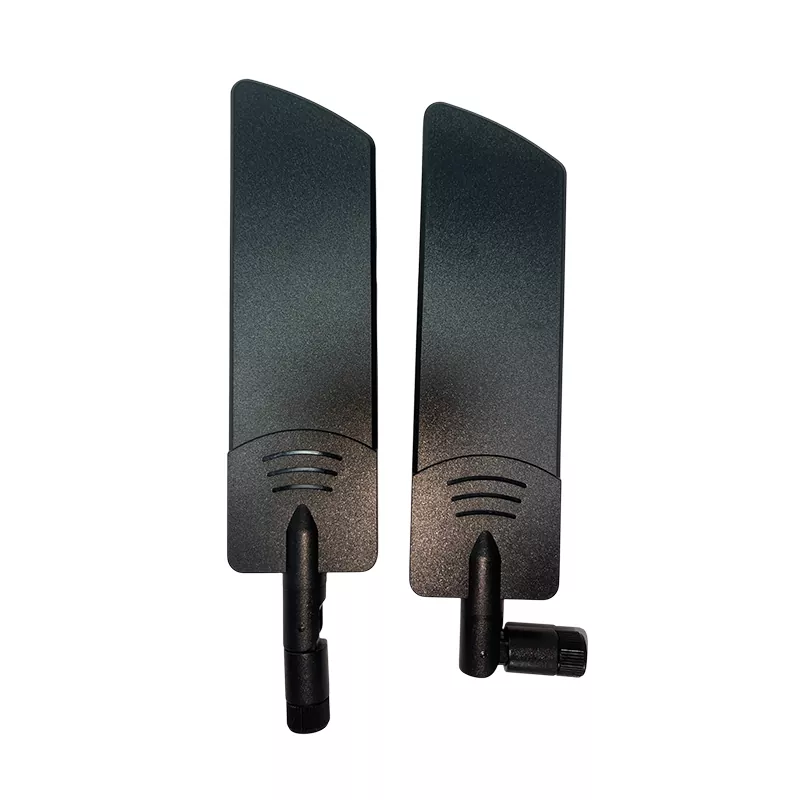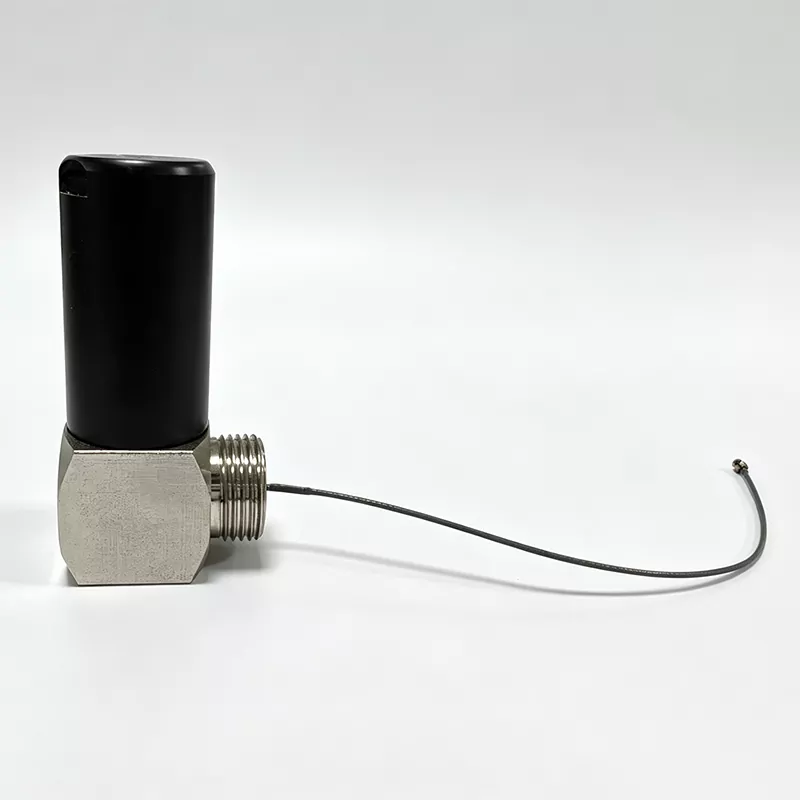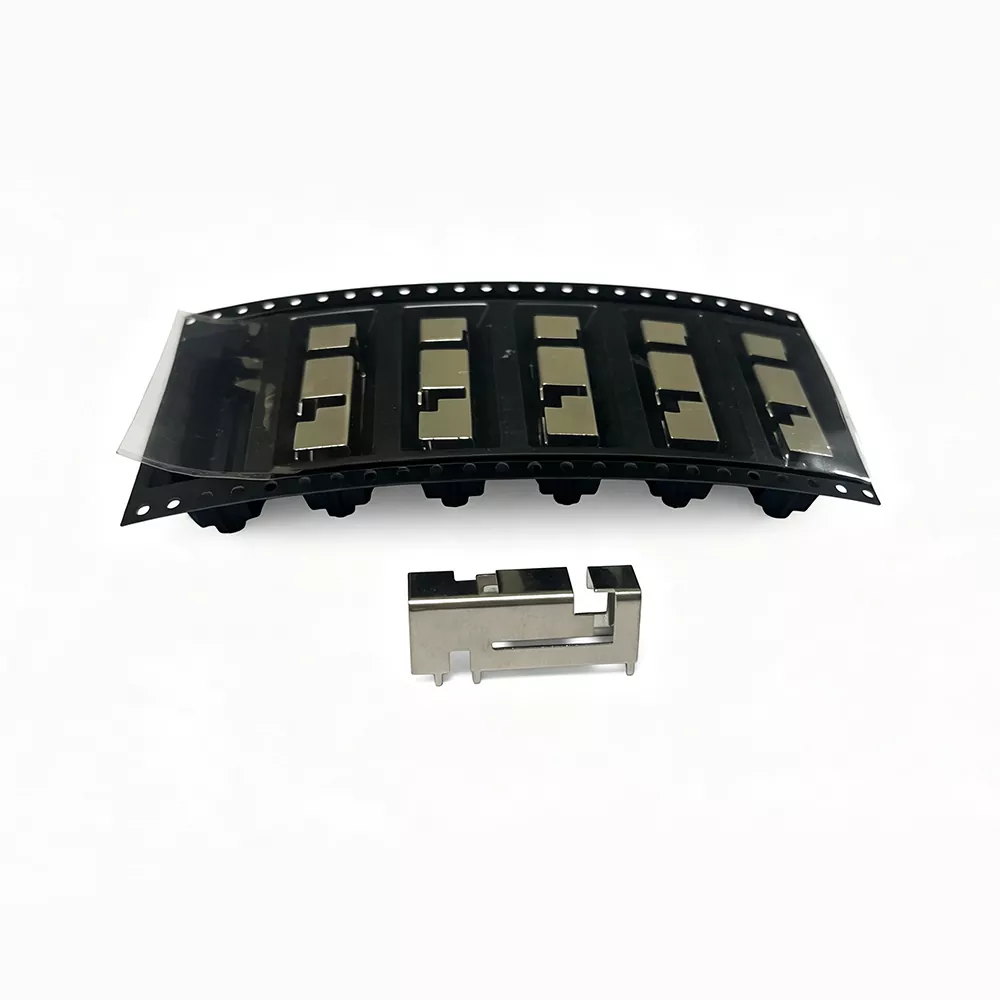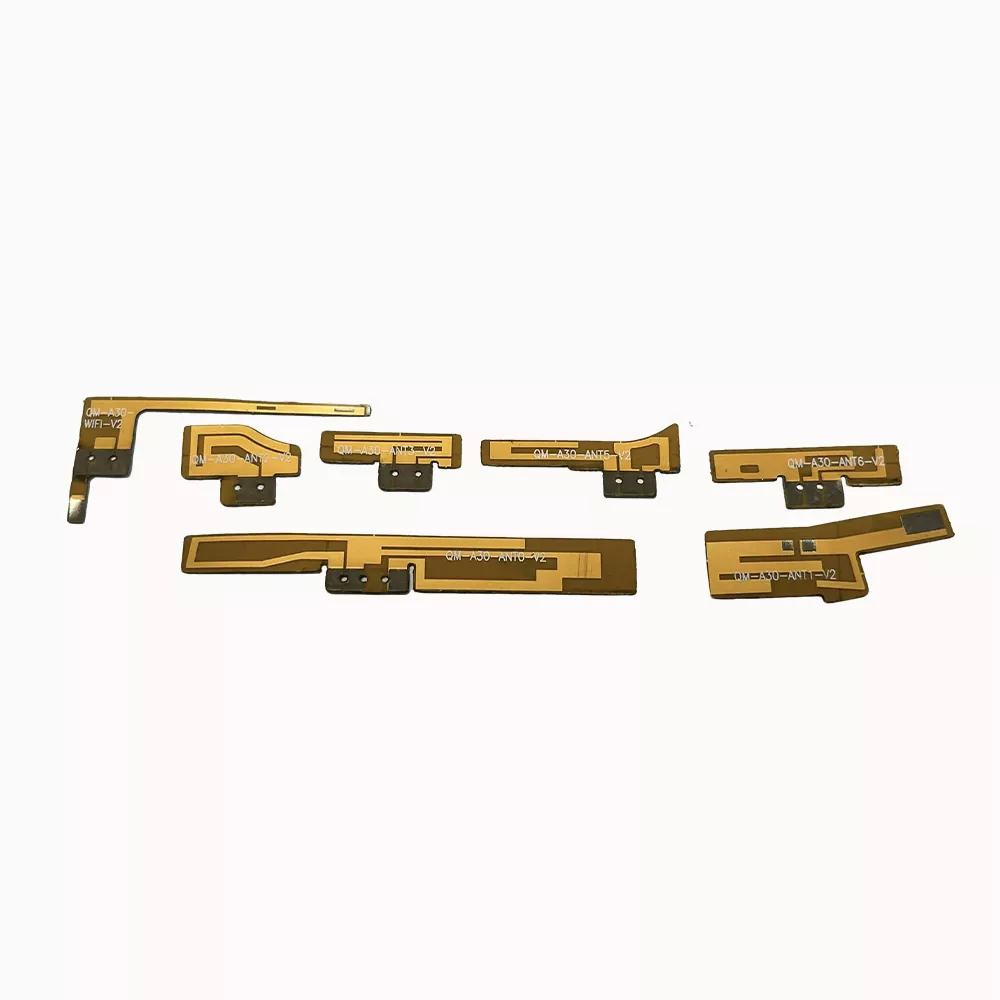
How Does a Directional Antenna Improve Wireless Communication Performance?
Article Summary
A directional antenna is an essential solution for improving wireless communication efficiency in environments where signal strength, coverage distance, and interference control are major challenges. Unlike omnidirectional antennas that broadcast signals in all directions, directional antennas focus electromagnetic energy toward a specific area, helping users achieve stronger connections, longer transmission distances, and more stable communication performance.
This article explains how a directional antenna works, why it is widely used in modern communication systems, what problems it solves, and how businesses can select the right antenna solution. With professional antenna design experience, Qianmu Communication provides reliable directional antenna products designed to support various wireless communication applications.
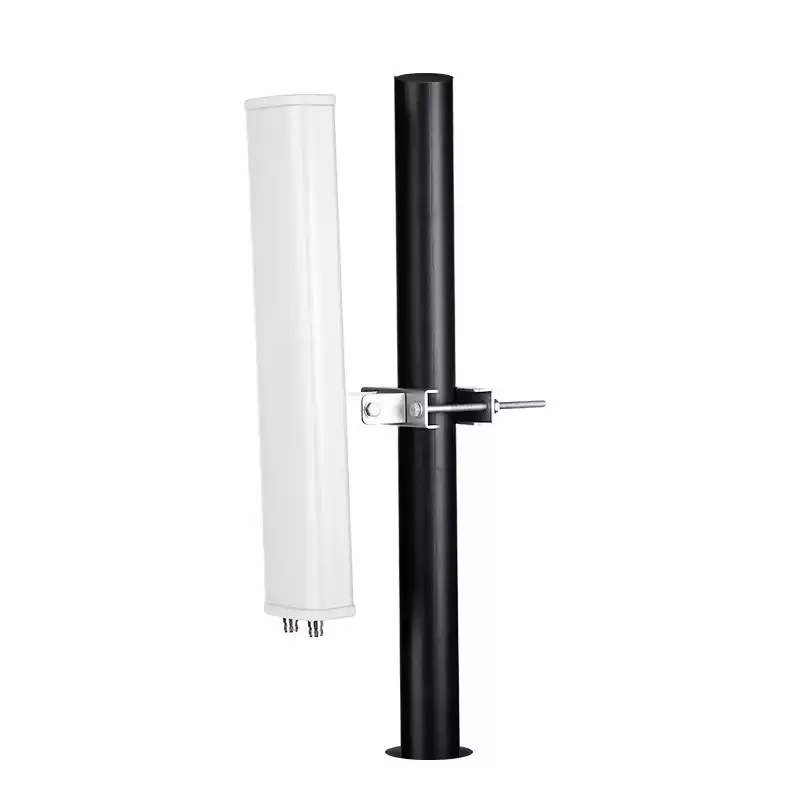
Table of Contents
- 1. What Is a Directional Antenna?
- 2. How Does a Directional Antenna Work?
- 3. What Problems Can a Directional Antenna Solve?
- 4. Common Types of Directional Antennas
- 5. Where Are Directional Antennas Used?
- 6. How to Choose the Right Directional Antenna?
- 7. Directional Antenna vs Omnidirectional Antenna
- 8. Frequently Asked Questions
- 9. Conclusion
1. What Is a Directional Antenna?
A directional antenna is a wireless communication antenna designed to transmit and receive radio frequency signals mainly in a specific direction. By concentrating energy into a focused beam, it increases signal gain and reduces unwanted interference from other directions.
In many wireless communication environments, signal problems occur because of long distances, physical obstacles, electromagnetic interference, or crowded frequency bands. A directional antenna helps overcome these challenges by improving signal concentration and communication reliability.
Compared with standard antennas that spread signals broadly, directional antennas are commonly used when communication needs to be established between fixed points or when a specific coverage area needs enhanced signal performance.
| Feature | Directional Antenna | Traditional Antenna |
|---|---|---|
| Signal Direction | Focused transmission toward a target area | Broadcasts signals over a wider area |
| Signal Gain | Higher gain for long-distance communication | Usually lower gain |
| Interference Control | Strong ability to reduce unwanted signals | More affected by surrounding interference |
| Main Applications | Point-to-point and long-range communication | General wireless coverage |
2. How Does a Directional Antenna Work?
The working principle of a directional antenna is based on controlling electromagnetic wave radiation patterns. The antenna structure is designed to concentrate radio frequency energy into a narrower beam instead of distributing it evenly in all directions.
When transmitting signals, the antenna directs most of the energy toward the intended receiver. When receiving signals, it improves sensitivity in the target direction while reducing signals coming from unwanted angles.
The performance of a directional antenna depends on several technical factors:
- Antenna Gain: Higher gain allows stronger signal transmission over longer distances.
- Beam Width: A narrower beam provides more accurate signal targeting.
- Frequency Range: The antenna must match the operating frequency of the communication system.
- Polarization: Correct polarization improves signal compatibility and reduces loss.
- Radiation Pattern: Determines how effectively signals are concentrated.
Through optimized engineering design, Qianmu Communication develops directional antenna solutions that help customers achieve stable wireless connections in demanding environments.
3. What Problems Can a Directional Antenna Solve?
Many wireless systems experience unstable communication because signals lose strength during transmission. A directional antenna provides practical solutions for common communication problems.
| Customer Challenge | Directional Antenna Solution |
|---|---|
| Weak wireless signal over long distances | Higher antenna gain improves transmission distance and signal strength. |
| Interference from surrounding devices | Focused beams reduce unwanted signal reception. |
| Unstable outdoor communication | Professional antenna structures improve reliability in outdoor environments. |
| Limited network coverage | Directional transmission extends communication range. |
| High-density wireless environments | Better signal control reduces communication conflicts. |
For industries that depend on uninterrupted communication, choosing an appropriate antenna solution can significantly improve system performance and operational efficiency.
4. Common Types of Directional Antennas
Directional antennas are available in different designs based on application requirements. Each type provides unique advantages for specific communication scenarios.
- Yagi Antenna: Commonly used for directional receiving and transmitting applications with moderate distances.
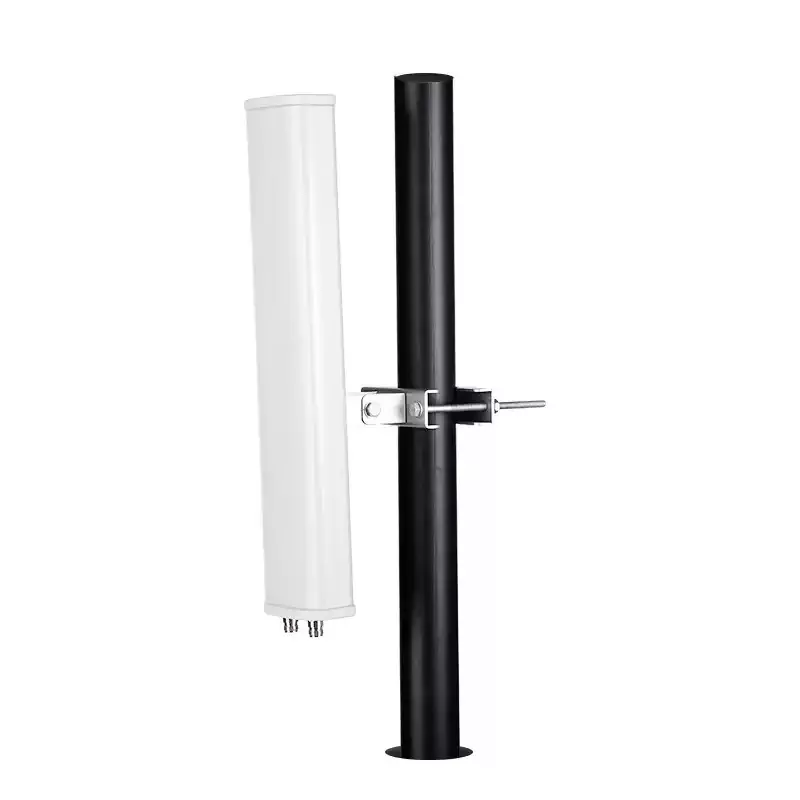
- Panel Antenna: Features a flat structure and is widely used in wireless networks, indoor systems, and outdoor coverage solutions.
- Parabolic Antenna: Uses a dish reflector design to achieve extremely high gain for long-distance communication.
- Horn Antenna: Provides accurate directional performance for microwave and testing applications.
Selecting the correct antenna type depends on factors such as transmission distance, installation environment, frequency requirements, and expected coverage area.
5. Where Are Directional Antennas Used?
Directional antennas support a wide range of industries where reliable wireless communication is required.
| Industry | Application Examples |
|---|---|
| Telecommunication | Wireless base stations, network expansion, signal bridges |
| Industrial Automation | Factory communication systems and remote monitoring |
| Security Systems | Wireless surveillance and video transmission |
| Transportation | Vehicle communication and intelligent transportation networks |
| Outdoor Networking | Long-distance wireless connections between locations |
Because of their strong direction control and reliable performance, directional antennas are increasingly important in modern communication infrastructure.
6. How to Choose the Right Directional Antenna?
Choosing the correct directional antenna requires careful evaluation of technical requirements and installation conditions. The wrong antenna selection may result in poor signal performance, unnecessary costs, or difficult installation.
- Confirm Operating Frequency: Choose an antenna compatible with the wireless system frequency band.
- Evaluate Transmission Distance: Long-distance communication usually requires higher gain antennas.
- Consider Installation Location: Outdoor and indoor environments require different structural designs.
- Check Beam Direction: A narrower beam is suitable for precise point-to-point communication.
- Review Environmental Requirements: Weather resistance and mechanical durability are important for outdoor use.
Working with an experienced antenna manufacturer helps customers avoid compatibility issues and achieve better communication results.
7. Directional Antenna vs Omnidirectional Antenna
| Comparison | Directional Antenna | Omnidirectional Antenna |
|---|---|---|
| Coverage Pattern | Focused direction | 360-degree coverage |
| Communication Distance | Suitable for longer distances | Usually designed for shorter ranges |
| Interference Resistance | Better control of unwanted signals | More exposure to surrounding signals |
| Best Usage | Fixed communication links | General area coverage |
The best choice depends on the communication objective. Directional antennas are ideal when users need stronger signals in a specific direction, while omnidirectional antennas are better for broad-area coverage.
8. Frequently Asked Questions
Q1: What is the main advantage of a directional antenna?
A directional antenna improves communication performance by concentrating signal energy toward a specific direction, increasing gain and reducing interference.
Q2: Can a directional antenna increase wireless range?
Yes. By focusing transmission power and improving receiving sensitivity, directional antennas can significantly extend communication distance.
Q3: Are directional antennas suitable for outdoor applications?
Yes. Many directional antennas are designed for outdoor communication systems and can provide stable performance under challenging conditions.
Q4: How does Qianmu Communication support customers?
Qianmu Communication provides professional directional antenna solutions with consideration of frequency requirements, application environments, and communication performance needs.
Q5: What factors affect directional antenna performance?
Performance is influenced by antenna gain, frequency compatibility, installation position, beam direction, and surrounding environmental conditions.
9. Conclusion
Directional antennas play an important role in improving wireless communication reliability by delivering stronger signals, controlling interference, and extending transmission distances. From industrial networks to outdoor communication systems, they provide an effective solution for users facing unstable connections and limited coverage.
With professional design capabilities and practical application experience, Qianmu Communication continues to provide dependable directional antenna products for different communication requirements. If you need a customized antenna solution with excellent performance and reliable quality, please contact us for professional support and the right communication solution.
Related News
- How Can a Body Cam GPS Antenna Improve Positioning Accuracy and Evidence Traceability
- Overseas Client Visit Qianmu Communication for Antenna Customization Discussion
- Why Is a Shared Bike Antenna Essential for Reliable Smart Mobility Connectivity
- Why Is a Flexible Headphone Antenna Essential for Next-Generation Wireless Audio Devices
- How Does a Ceiling Mount Antenna Improve Wireless Communication Performance?
- How Does a Cellular Network Antenna Improve Wireless Connectivity?
Leave me a message