How Can the Right DAB Antenna Improve Digital Radio Reception in Modern Vehicles
Qianmu, a professional antenna manufacturer in China, develops DAB Antenna solutions for automotive digital radio systems, helping vehicle owners and equipment manufacturers achieve reliable DAB/DAB+ signal reception, reduced interference, and flexible installation across different vehicle applications.
A DAB antenna is an essential component of a digital radio system, responsible for receiving broadcast signals and delivering them to a compatible receiver. Compared with traditional analog radio reception, Digital Audio Broadcasting (DAB) and DAB+ can provide clear audio and access to a wider range of digital stations when adequate signal coverage is available. However, actual performance depends on antenna design, installation position, receiver compatibility, and local broadcasting conditions. This article explains how a DAB antenna works, which technical specifications matter, how to install one correctly, and what automotive equipment manufacturers should consider when selecting a suitable solution from Qianmu.
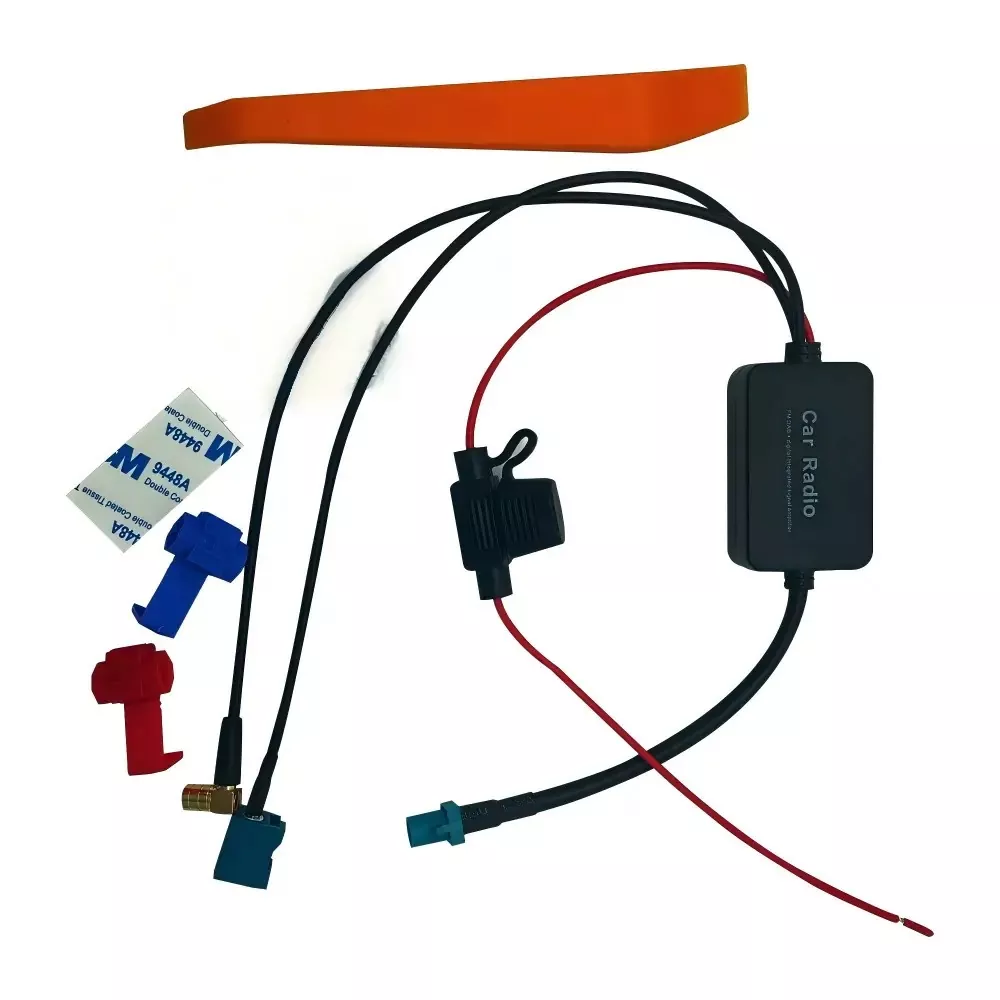
Table of Contents
1. What Is a DAB Antenna and How Does It Work?
2. Why Is a DAB Antenna Important for Digital Radio?
3. What Features Should You Look for in a DAB Antenna?
4. DAB Antenna Technical Specifications Explained
5. Where Can a DAB Antenna Be Used?
6. How to Choose the Right DAB Antenna
7. DAB Antenna Installation and Maintenance Tips
8. Why Consider Qianmu for DAB Antenna Solutions?
What Is a DAB Antenna and How Does It Work?
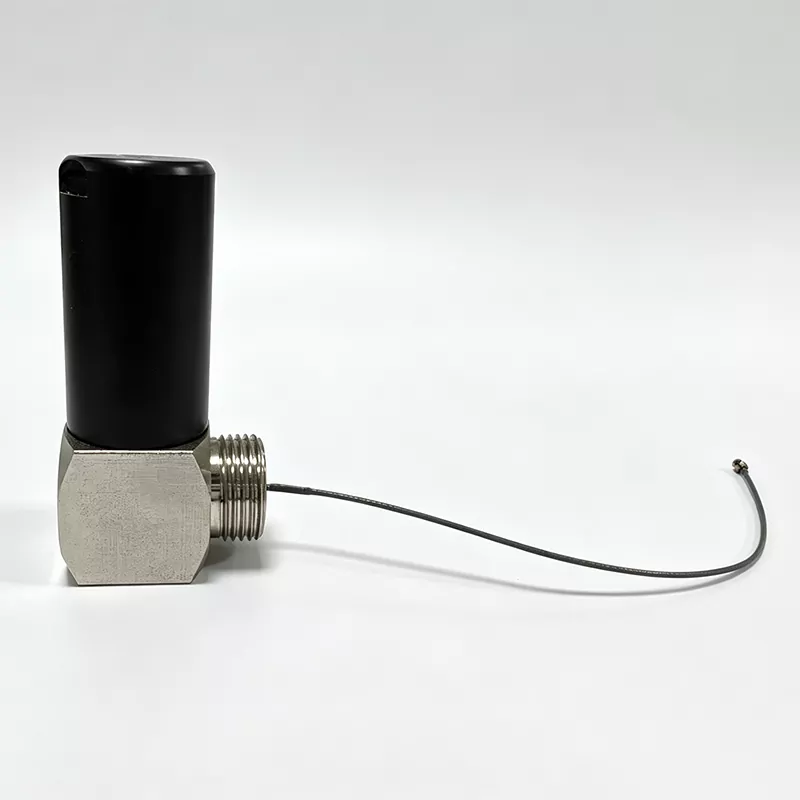
A DAB antenna is a radio-frequency component designed to receive Digital Audio Broadcasting signals. It captures electromagnetic waves transmitted by digital broadcasting stations and passes the received signal to a compatible radio receiver, which processes the data and converts it into audio.
DAB stands for Digital Audio Broadcasting, while DAB+ is an enhanced version of the digital radio standard. Both require compatible receiving equipment and access to broadcasts transmitted in the supported frequency bands.
In an automotive system, the antenna works together with the receiver, coaxial cable, connectors, and associated electronic components. The quality of the complete installation determines whether the system can maintain reliable reception as a vehicle moves through different environments.
A typical automotive DAB reception system includes:
- Antenna element: Captures radio-frequency signals from available digital broadcasts.
- Coaxial cable: Transfers the received signal to the radio unit while limiting unwanted signal loss.
- RF connector: Establishes a suitable electrical connection between the antenna and receiver.
- DAB/DAB+ receiver: Decodes supported digital broadcasts and outputs audio.
For additional background on automotive receiving solutions, explore Qianmu's TV antenna products and communication antenna range.
Why Is a DAB Antenna Important for Digital Radio?
Digital radio reception depends on more than the capabilities of the head unit. A suitable antenna helps the receiver capture usable broadcast signals under real driving conditions. This becomes particularly important when a vehicle travels between urban streets, open highways, rural areas, and locations with obstructed reception.
More Reliable Digital Signal Reception
A properly matched antenna can help a compatible receiver obtain a stronger, cleaner input signal. This supports more consistent station reception when the broadcast signal is available and the installation is appropriate for the receiving system.
Reduced Electromagnetic Interference
Modern vehicles contain numerous electronic systems, including navigation equipment, charging circuits, displays, and wireless communication modules. These components may create electromagnetic interference. Appropriate antenna placement, cable shielding, and sound connector design help reduce unwanted interference entering the receiving system.
Better Integration With Automotive Electronics
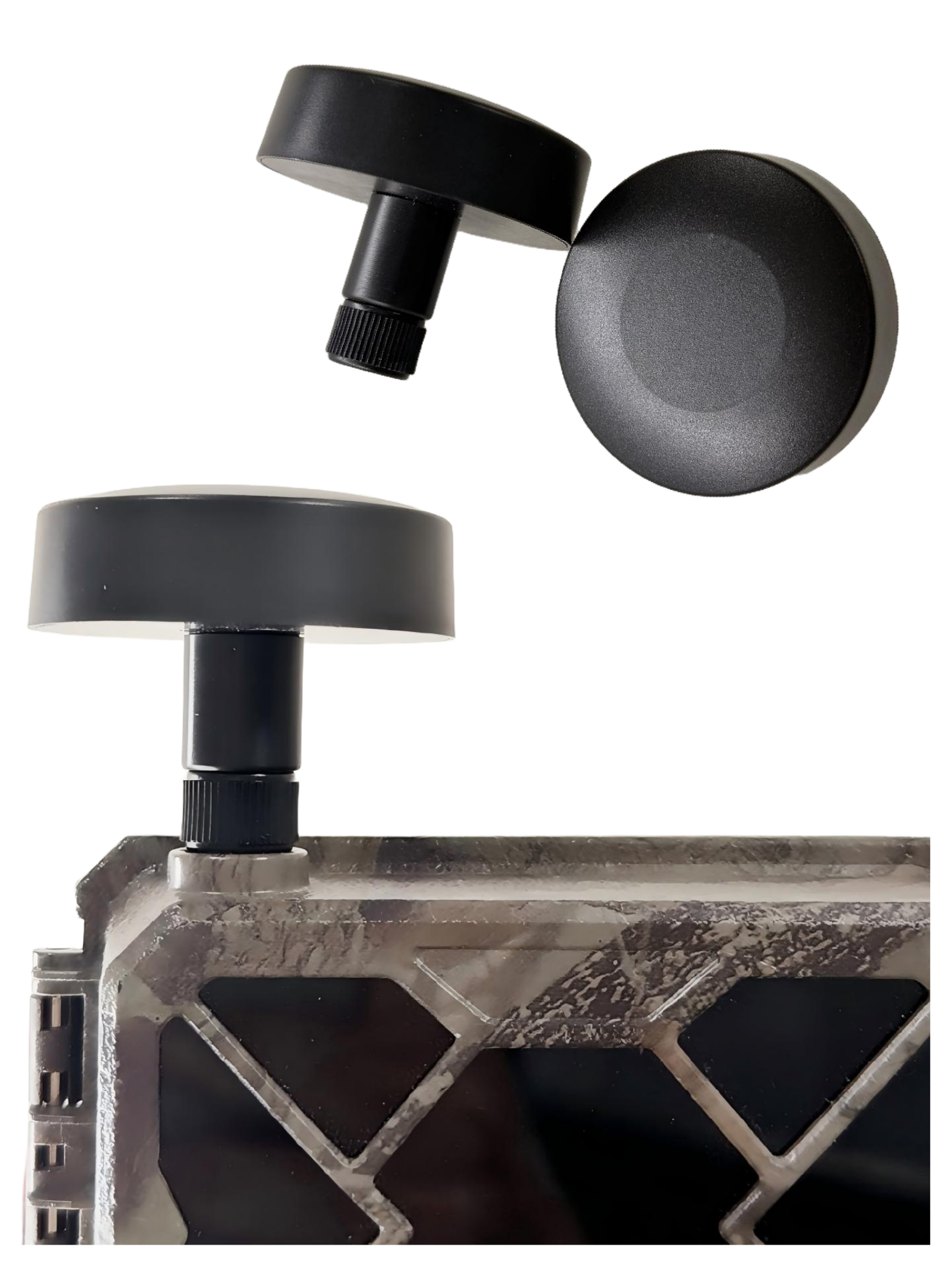
Compact antenna designs are useful when manufacturers need to integrate digital radio into existing vehicle structures. Depending on the product design, installation may involve adhesive mounting, concealed placement, or another approved mounting method.
Support for Different Driving Environments
Signal availability can change with terrain, buildings, tunnels, and distance from broadcast transmitters. A suitable antenna design helps the receiving system make effective use of available signals, although no antenna can guarantee uninterrupted reception in every location.
What Features Should You Look for in a DAB Antenna?
When comparing automotive digital radio antennas, buyers should evaluate the complete specification rather than relying on a single performance claim. The following characteristics are particularly relevant to product selection.
1. Supported Frequency Bands
DAB reception commonly uses Band III frequencies, approximately 174–240 MHz, depending on the regional broadcasting allocation. Some DAB systems also use L-band frequencies where supported and applicable. Confirm the intended market and receiver requirements before choosing an antenna.
2. Appropriate Gain and Matching
Antenna gain describes directional performance relative to a reference antenna; it does not independently determine reception quality. Impedance matching is equally important because a mismatch can increase reflected power and reduce effective signal transfer. The antenna, cable, connector, and receiver should be electrically compatible.
3. Environmental Protection
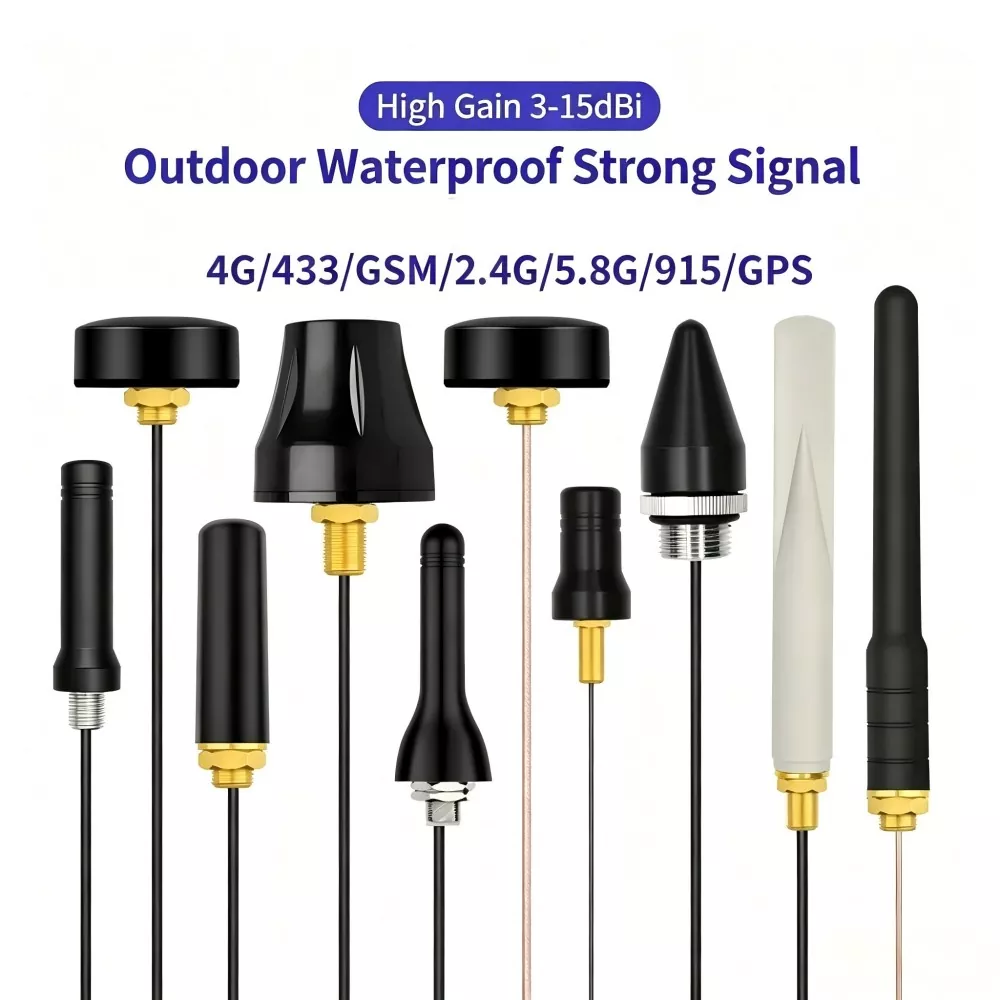
Automotive antennas may experience rain, sunlight, dust, temperature changes, and vehicle vibration. For installations exposed to the elements, a suitable ingress-protection rating and durable housing can support long-term operation. Qianmu's published DAB antenna information specifies an IP67-rated design and an operating temperature range of -40°C to +85°C.
4. Shielded Cable and Connector Options
A coaxial cable with effective shielding helps limit unwanted electromagnetic coupling. Connector selection should match the receiver's input and the installation requirements. Depending on the specified configuration, options may include SMB, FAKRA, SMA, or MCX interfaces.
5. Installation Flexibility
Adhesive or concealed mounting can simplify integration without drilling additional holes, where the vehicle structure and antenna design permit it. The mounting position must still provide appropriate RF performance and comply with vehicle safety requirements.
DAB Antenna Technical Specifications Explained
Technical specifications help buyers determine whether a DAB antenna fits a particular automotive radio system. The following table summarizes the specifications published for Qianmu's DAB antenna. Confirm the exact model configuration with the supplier before placing an order.
| Parameter | Published Specification | Why It Matters |
|---|---|---|
| Product type | DAB antenna | Designed for digital radio signal reception |
| Frequency range | 111–170 MHz and 1452–1492 MHz as listed on the product page | Requires confirmation against the intended regional DAB band and receiver |
| Antenna gain | 15 dBi as listed in the technical specification table | Should be evaluated with the measurement method and antenna configuration |
| Impedance | 75 ohms as listed on the product page | Must be checked against the receiver and cable impedance |
| Protection rating | IP67 | Indicates tested protection against dust ingress and temporary immersion under defined conditions |
| Operating temperature | -40°C to +85°C | Relevant to vehicle use in different climates |
| Cable | Double-shielded RG174 coaxial cable | Supports signal transmission and interference control |
| Connector options | SMB, FAKRA, SMA, and MCX, subject to configuration confirmation | Must match the radio receiver interface |
| Customization | Options for cable length, connector, housing appearance, and other specified parameters | Helps meet OEM integration requirements |
Important technical note: The listed frequency range, 15 dBi gain, and 75-ohm impedance should be verified with Qianmu before engineering approval. The published frequency figures do not directly match the commonly used Band III range of approximately 174–240 MHz. Buyers should also confirm the gain reference, measurement conditions, connector configuration, and whether the antenna is active or passive. These checks help prevent specification mismatches during procurement and integration.
Where Can a DAB Antenna Be Used?
DAB antennas are primarily used in systems that receive digital radio broadcasts. Their practical applications depend on the receiving equipment, local broadcasting availability, and the selected antenna configuration.
- Passenger cars: Supports DAB/DAB+ reception through compatible factory-installed or aftermarket head units.
- SUVs and MPVs: Provides a digital radio reception option for family and multipurpose vehicles.
- Commercial vehicles: Can be integrated into compatible truck and fleet infotainment systems.
- Buses and coaches: Supports digital radio functions in passenger entertainment equipment.
- Recreational vehicles: Can be used in compatible multimedia systems for travel and leisure.
- Automotive electronics manufacturing: Offers an antenna component option for radio receivers and integrated infotainment products.
For equipment manufacturers, selecting an antenna early in the design process helps simplify cable routing, mounting design, connector selection, and RF validation. Vehicle compatibility should always be confirmed by the actual receiver interface and supported broadcasting standards rather than the vehicle model alone.
How to Choose the Right DAB Antenna
The right selection process starts with the receiving system and the intended installation environment. A checklist can help purchasing teams and engineers compare products objectively.
- Identify the radio standard. Confirm whether the receiver supports DAB, DAB+, or both.
- Verify the regional frequency band. Check the broadcasting frequencies used in the target market.
- Confirm impedance and connector type. Match the antenna to the receiver and cable specifications.
- Review the mounting position. Consider windshield placement, concealed installation, nearby metal surfaces, and cable routing.
- Evaluate environmental requirements. Check temperature range, ingress protection, vibration exposure, and material durability.
- Request technical documentation. Ask for verified gain data, impedance information, test conditions, and available drawings.
- Test the assembled system. Evaluate reception in representative locations before approving large-scale deployment.
For OEM projects, it is also useful to confirm minimum order quantities, sample availability, packaging requirements, customization lead times, and inspection procedures. These details help reduce integration risks and improve production planning.
DAB Antenna Installation and Maintenance Tips
Even a suitable antenna can perform poorly if it is installed incorrectly. Follow the manufacturer's instructions and the vehicle's service guidance throughout installation.
Recommended Installation Practices
- Choose a position that provides suitable exposure to broadcast signals.
- Keep the antenna away from large metal obstructions where practical.
- Maintain separation from potential sources of electromagnetic interference.
- Route the coaxial cable carefully to prevent crushing, sharp bends, and abrasion.
- Ensure connectors are securely fitted and compatible with the receiver.
- Follow the specified adhesive preparation and curing instructions when adhesive mounting is used.
- Ensure that trim panels, airbags, and the driver's field of vision are not compromised.
Troubleshooting Common Reception Problems
If stations cannot be found or reception becomes unstable, inspect the system methodically before replacing components.
- No stations detected: Confirm local DAB coverage, receiver settings, and supported frequency bands.
- Intermittent reception: Check connector seating, cable damage, antenna position, and nearby obstructions.
- Performance changes after installation: Inspect the mounting location and verify that the cable has not been pinched by interior trim.
- Unexpected compatibility issues: Confirm the receiver's antenna input, impedance, connector, and any power requirements for an active antenna.
Digital radio reception can be affected by coverage gaps and physical obstructions. A short interruption in a tunnel or remote area does not automatically indicate an antenna defect.
Why Consider Qianmu for DAB Antenna Solutions?
Shenzhen Qianmu Communication Technology Co., Ltd. specializes in communication antenna research, development, and manufacturing. Its product portfolio includes automotive antennas and other RF solutions for wireless and electronic equipment.
For buyers sourcing a DAB antenna, the company offers several areas worth discussing during technical evaluation:
- Product customization: Discuss cable length, connector configuration, appearance, and other project-specific requirements.
- Manufacturing coordination: Communicate directly with the supplier about samples, production planning, and order requirements.
- Quality verification: Request applicable inspection records and RF test data for the selected model.
- OEM cooperation: Confirm whether the required labeling, packaging, and product configuration can be supported.
- Technical consultation: Share the receiver model, installation drawings, target frequency bands, and environmental conditions to help assess suitability.
Qianmu's published DAB antenna product information describes an IP67-rated construction, double-shielded cable, omnidirectional reception design, and several connector options. Buyers should confirm the precise configuration and supporting test documentation for the model being quoted.
Explore the Qianmu DAB antenna product page for product details, or visit the Qianmu antenna product catalog to review other antenna categories.
Frequently Asked Questions
1. What is a DAB antenna used for?
A DAB antenna receives Digital Audio Broadcasting signals and delivers them to a compatible digital radio receiver. In vehicles, it supports access to available DAB or DAB+ radio stations, depending on local coverage and receiver compatibility.
2. Is a DAB antenna compatible with every car radio?
No. Compatibility depends on whether the radio supports DAB/DAB+, the required frequency band, the antenna connector, impedance, and any power requirements. Check these details before purchasing an antenna for an existing vehicle.
3. What is the difference between DAB and DAB+?
DAB and DAB+ are digital radio broadcasting standards. DAB+ uses a more efficient audio coding system than the original DAB standard. The receiver must support the relevant standard to decode the broadcast correctly.
4. Can a DAB antenna improve weak radio reception?
A properly specified and installed antenna may improve reception when the existing antenna is unsuitable, damaged, poorly positioned, or mismatched. However, performance also depends on transmitter coverage, terrain, interference, and receiver sensitivity. An antenna cannot create a broadcast signal where adequate coverage is unavailable.
5. Is an IP67 DAB antenna suitable for outdoor vehicle use?
An IP67 rating indicates that a product has met defined dust-ingress and temporary-immersion tests. It can be a useful feature for exposed automotive installations, but buyers should also check cable sealing, connector protection, mounting instructions, and the manufacturer's environmental test documentation.
6. Can Qianmu customize DAB antenna connectors and cables?
Qianmu's product information describes customization options for cable length and connector configuration, along with other OEM requirements. Contact the company with your receiver interface, cable routing requirements, target market, and expected order volume to confirm the available configuration.
7. What information should I provide when requesting a quotation?
Provide the intended application, receiver model, supported frequency bands, impedance, connector type, required cable length, mounting method, environmental conditions, sample requirements, and estimated order quantity. Detailed information helps the supplier assess compatibility and prepare a more relevant proposal.
Conclusion: Choosing a DAB Antenna for Reliable Automotive Radio
A well-matched DAB antenna is an important part of a dependable automotive digital radio system. Frequency compatibility, impedance, connector selection, shielding, environmental protection, and correct installation all influence the final result. For OEMs, distributors, and automotive electronics manufacturers, confirming these factors before procurement can help reduce integration problems and support consistent product performance.
Qianmu provides DAB antenna solutions with customization options for different automotive receiving systems. If you are sourcing a DAB antenna for a new product, upgrading an existing installation, or planning a bulk order, review the product specifications and contact us to discuss your technical requirements, request sample information, and explore a suitable antenna solution for your project.
Related News
- Qianmu Launches Custom LDS 3D Antenna Solutions for Wearable, Automotive & Compact IoT Devices
- How Can the Right NB-IoT Antenna Improve Connectivity and Reliability for Industrial IoT Devices
- FPC vs. PCB Antennas: Key Differences for Compact Electronic Devices
- Shenzhen Qianmu Communication Technology Co., Ltd. Launches High-Performance Smart Water Meter Antenna for Global Smart Water Projects
- Why Is a Built-in FM Radio Antenna a Smart Choice for Modern Audio Devices
- How Can a Built-in FM Radio Antenna Improve Signal Reception in Compact Electronic Devices
Leave me a message