FPC vs. PCB Antennas: Key Differences for Compact Electronic Devices
Choosing an antenna for a compact electronic device involves more than finding a component that fits the available space. The antenna must work with the device's PCB layout, enclosure, operating frequency, and surrounding components.
FPC antennas and PCB antennas are two options for embedded wireless designs. Both can be used in compact electronics, but they differ in construction, installation requirements, and how they fit into the manufacturing process.
For engineers developing IoT devices, tablets, wearable electronics, and wireless terminals, understanding these differences early can help avoid unnecessary design changes during prototyping.
What Is an FPC Antenna?
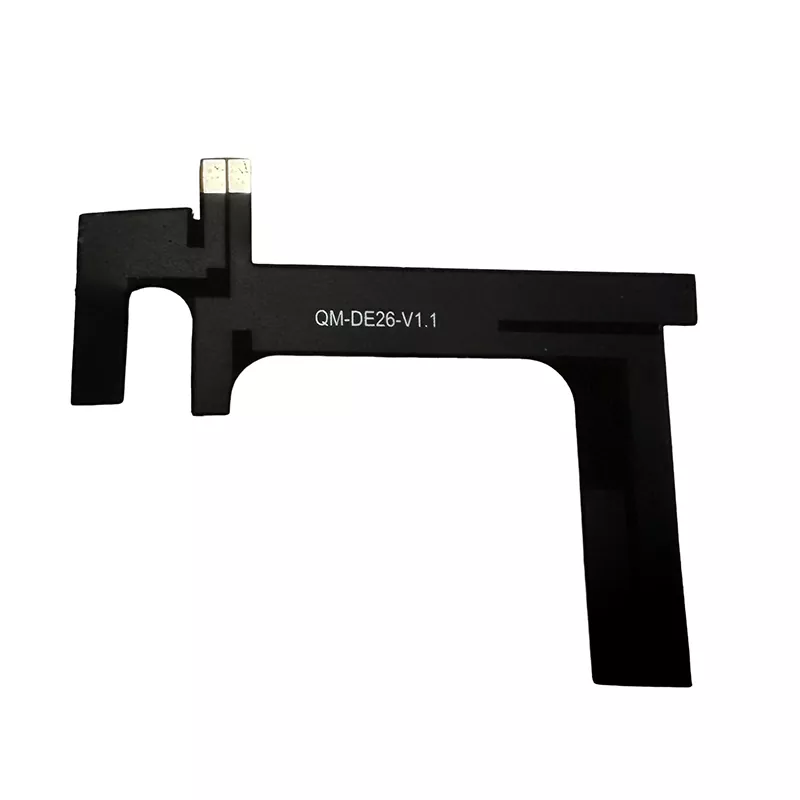
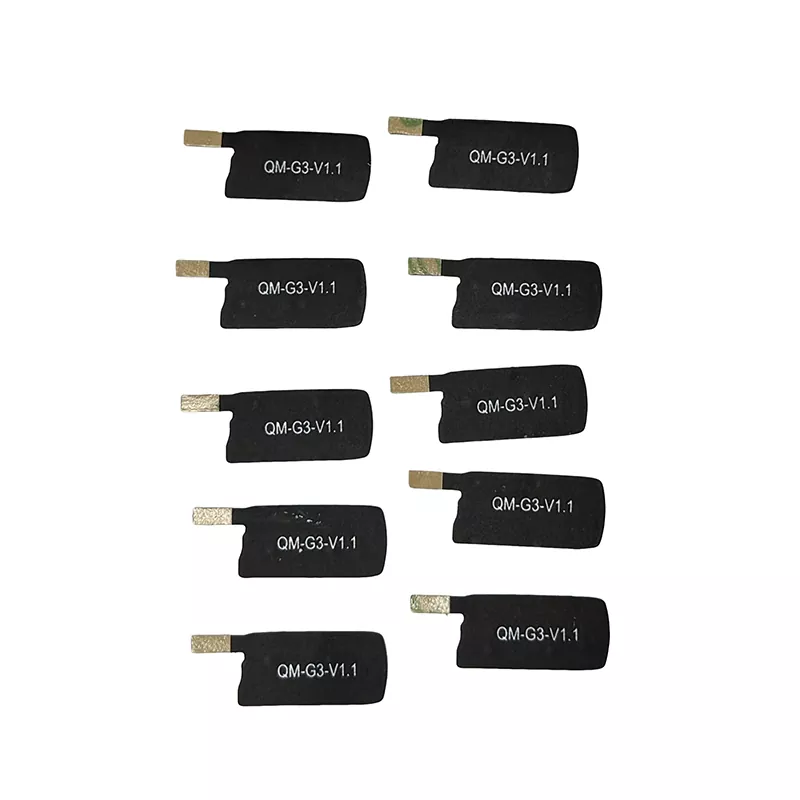
An FPC antenna uses a conductive pattern on a flexible printed circuit substrate. Its thin structure allows it to be installed in suitable narrow spaces or along certain curved surfaces inside an electronic enclosure.
This can be useful when the main PCB does not provide enough suitable space for the antenna or when the device housing requires a different mounting position.
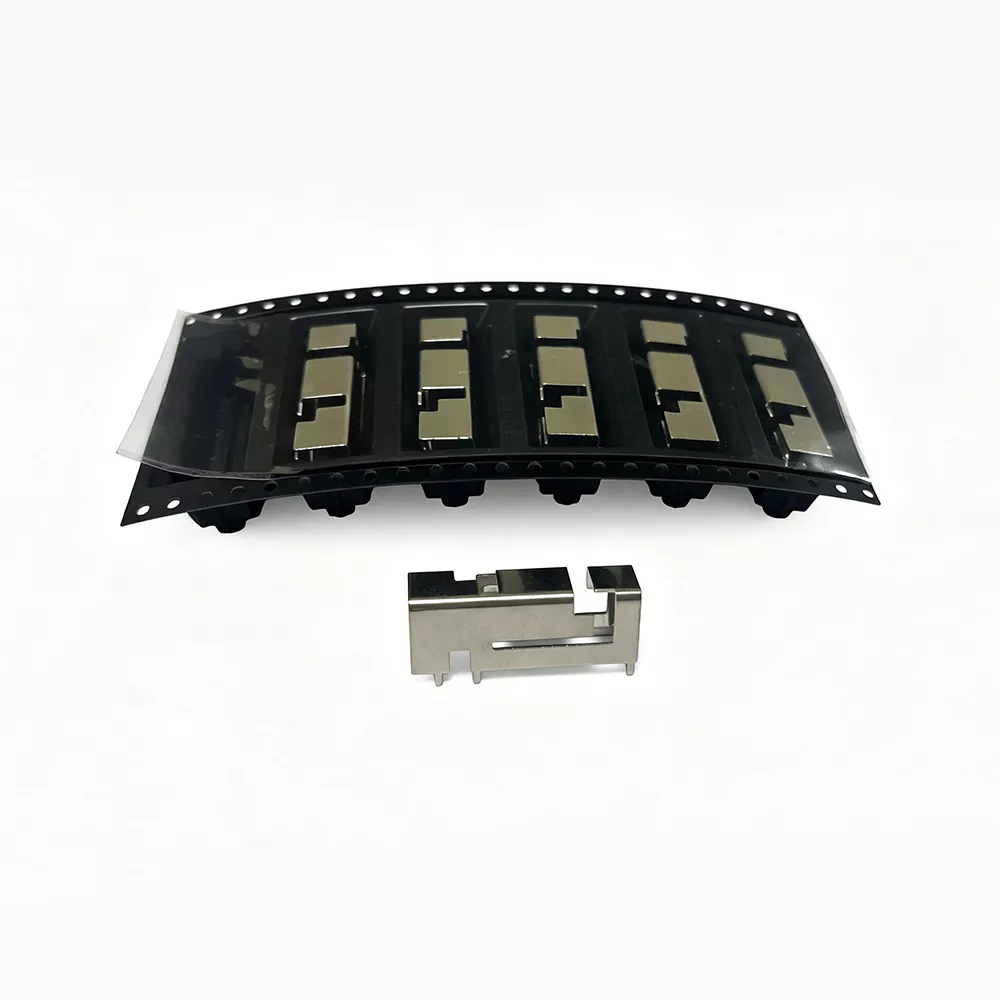
Typical applications include wearable electronics, handheld terminals, portable devices, and compact IoT equipment. The FPC antenna range from Qianmu covers built-in antenna solutions for different wireless applications, with specifications selected according to device requirements.
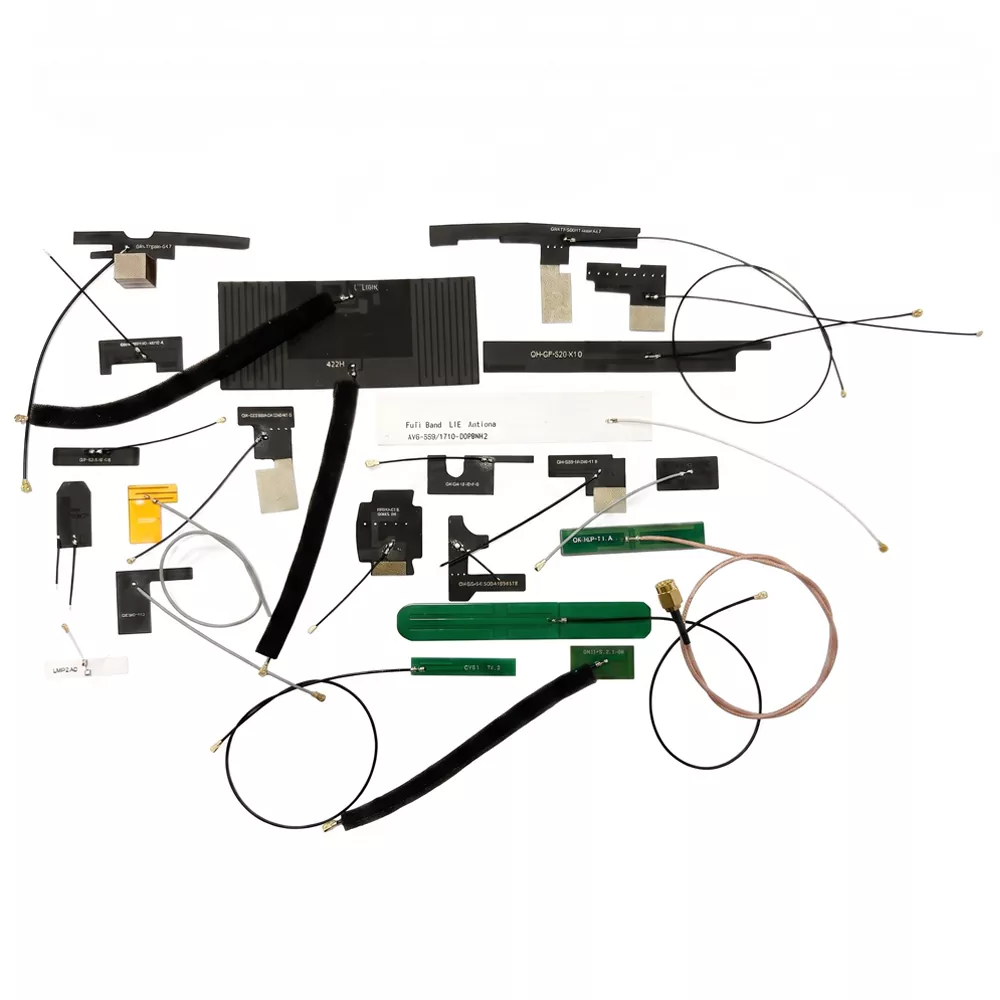
When evaluating an FPC antenna, engineers should check its dimensions, operating frequency, cable and connector options, mounting method, and clearance from nearby metal components.
What Is a PCB Antenna?
A PCB antenna is formed by a conductive pattern on a printed circuit board. Depending on the design, it may be integrated into the main PCB or placed on a dedicated board.
This approach can reduce the need for a separate antenna component when the circuit board has enough space for the radiating element and its required clearance. It is often considered for wireless modules, IoT controllers, smart home equipment, and other products with a relatively stable board layout.
However, a PCB antenna is not automatically the lower-cost or better-performing option. Its results depend on the antenna geometry, ground plane, board materials, nearby components, and final enclosure.
Qianmu's built-in antenna solutions include both FPC-based and PCB-integrated approaches for different device structures.
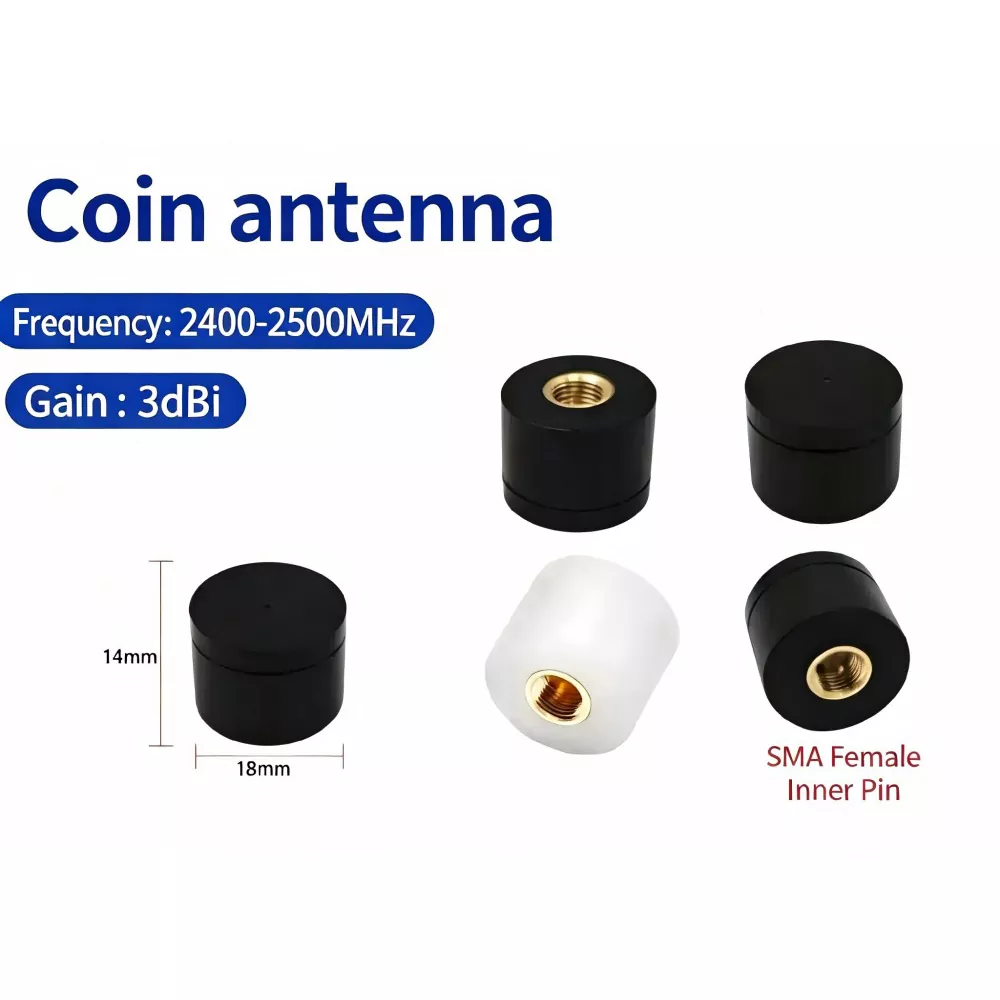
FPC Antenna vs. PCB Antenna: Key Differences
| Factor | FPC Antenna | PCB Antenna |
|---|---|---|
| Structure | Conductive pattern on a flexible substrate | Conductive pattern on a PCB |
| Installation | Can fit suitable narrow or curved spaces | Usually follows the available board layout |
| Design constraints | Requires suitable mounting and bending conditions | Requires sufficient board area and antenna clearance |
| Assembly | May need adhesive, cable, connector, or fixing parts | Can be integrated into PCB production |
| Design changes | Positioning may offer more mechanical flexibility | Layout changes may require PCB revisions |
| Cost | Depends on the antenna, cable, connector, and assembly | Depends on board design, production volume, and layout changes |
| RF performance | Depends on antenna design and installed environment | Depends on antenna design, ground plane, and installed environment |
The practical difference is how each antenna fits into the product. An FPC antenna provides more freedom in placement, while a PCB antenna can simplify integration when the circuit board has been designed around it.
Neither type guarantees better wireless performance without testing in the intended device.
1. Installation Space and Mechanical Design
Available space is often the first factor to assess.
An FPC antenna may be placed along an enclosure wall or within a narrow internal area, provided the antenna's bend limits, mounting conditions, and electrical requirements are respected. This can be useful in devices where the battery, display, and mainboard occupy most of the available space.
A PCB antenna needs a suitable area on the circuit board. Its layout must account for the radiating element, ground plane, and clearance from other components.
For example, a tablet with a tightly packed internal layout may benefit from evaluating a flexible antenna that can be positioned away from crowded areas. Qianmu's Ultra-thin FPC Tablet Antenna is a relevant product to review when assessing this type of integration.
The final choice should be based on the complete mechanical design rather than the antenna's dimensions alone.
2. RF Performance and Signal Stability
A flexible antenna does not automatically provide stronger reception, and a PCB-integrated antenna is not necessarily more stable.
Performance depends on the operating frequency, antenna geometry, impedance matching, ground reference, enclosure materials, and surrounding components. Batteries, metal brackets, displays, and cables can all affect the installed antenna.
Before selecting an antenna, engineers should confirm the following parameters:
-
Operating frequency and required bandwidth
-
Impedance and VSWR
-
Gain and radiation pattern
-
Ground plane and antenna clearance
-
Connector and feed cable requirements
-
Performance in the finished enclosure
For compact wireless devices, testing the antenna in the actual installation position is particularly important. Results obtained from a standalone antenna may not represent its performance after the antenna is assembled into the final product.
3. Manufacturing Cost and Assembly
The total cost depends on the complete device design, not just the antenna price.
A PCB antenna may reduce separate components and assembly steps when it fits an existing board layout. However, if the design requires changes to the PCB dimensions, routing, or component placement, those changes can increase development work.
An FPC antenna is a separate component and may require additional fixing materials, a cable, or a connector. It may nevertheless be more practical when it avoids a major PCB or enclosure redesign.
For OEM projects, compare the following costs:
-
Antenna fabrication
-
PCB and enclosure modifications
-
Cables, connectors, and mounting materials
-
Assembly and inspection
-
Prototype testing and RF tuning
-
Production volume and expected demand
Requesting quotations based on the same technical requirements provides a more useful comparison than judging the two technologies by their basic component prices.
4. Which Antenna Is Suitable for Your Application?
The appropriate design depends on the device's physical structure and wireless requirements.
Wearable and portable devices: An FPC antenna may be worth evaluating when the enclosure is curved or the internal layout leaves limited space for a rigid antenna structure.
Smart home and IoT products: Both options can be suitable. The decision depends on the wireless standard, board layout, enclosure, and assembly process.
Industrial wireless equipment: A PCB antenna can work well when the board layout is fixed and sufficient clearance is available. An FPC antenna may be useful when mounting space is restricted.
Tablet and handheld terminals: A flexible antenna can provide additional positioning options, particularly when the internal structure is crowded. The final choice still requires RF validation.
Qianmu's product range includes internal and external antenna categories for different wireless applications. Reviewing the available product structures alongside the device drawings can help narrow down the appropriate options.
5. What Information Is Needed for a Custom Antenna?
Before requesting a quotation or prototype, prepare the key details of the intended application:
-
Frequency band: Specify the required operating frequencies and wireless standards.
-
Available dimensions: Provide the maximum antenna size and available installation area.
-
Device structure: Share PCB drawings, enclosure dimensions, and the positions of nearby metal components or batteries.
-
RF requirements: Identify the target impedance, bandwidth, VSWR, gain, and other applicable performance criteria.
-
Connection method: Confirm whether the design needs a direct PCB connection, coaxial cable, IPEX connector, or another interface.
-
Testing requirements: Specify any required RF measurements or product-level validation.
-
Production plan: Provide the prototype quantity, expected order volume, and development schedule.
These details help determine whether an FPC antenna, PCB antenna, or another built-in antenna structure is appropriate for the project.
Frequently Asked Questions
Is an FPC antenna better than a PCB antenna?
Not in every application. FPC antennas provide greater flexibility in physical placement, while PCB antennas can simplify integration when the board layout provides sufficient space. The right choice depends on the device structure and RF requirements.
Can FPC and PCB antennas support Wi-Fi and Bluetooth?
Yes. Both can be designed for Wi-Fi and Bluetooth applications, including 2.4 GHz products. Compatibility depends on the antenna design, bandwidth, matching, and installation conditions.
Does a PCB antenna always cost less?
No. A PCB antenna may reduce separate components and assembly work, but PCB redesigns can add development costs. An FPC antenna may be more economical when it avoids major changes to the mainboard or enclosure.
What affects the performance of a built-in antenna?
Operating frequency, antenna geometry, ground plane, impedance matching, enclosure materials, and nearby components can all influence performance. Testing in the finished device is essential.
Can Qianmu provide a customized FPC antenna?
Qianmu's FPC antenna page describes available customization options, including dimensions, frequency, connectors, cables, and installation methods. The final specifications should be confirmed against the project's RF and mechanical requirements.
Choosing Between FPC and PCB Antennas
The decision between an FPC antenna and a PCB antenna should start with the device layout, operating frequency, and required wireless performance. Installation flexibility, assembly steps, and total development cost should then be assessed together.
For compact electronic products, confirming the antenna position early and testing the design in its intended enclosure can reduce avoidable changes later in development.
To evaluate a suitable option, review Qianmu's FPC antenna solutions and other built-in antenna options alongside your device requirements.
Related News
- Qianmu Launches Custom LDS 3D Antenna Solutions for Wearable, Automotive & Compact IoT Devices
- How Can the Right NB-IoT Antenna Improve Connectivity and Reliability for Industrial IoT Devices
- How Can the Right DAB Antenna Improve Digital Radio Reception in Modern Vehicles
- Shenzhen Qianmu Communication Technology Co., Ltd. Launches High-Performance Smart Water Meter Antenna for Global Smart Water Projects
- Why Is a Built-in FM Radio Antenna a Smart Choice for Modern Audio Devices
- How Can a Built-in FM Radio Antenna Improve Signal Reception in Compact Electronic Devices
Leave me a message