How Can the Right NB-IoT Antenna Improve Connectivity and Reliability for Industrial IoT Devices
Qianmu, a professional antenna manufacturer specializing in wireless communication solutions, provides the NB-IoT Antenna designed to support reliable connectivity for industrial IoT devices, smart metering systems, and outdoor control cabinets. With full-band coverage from 700 MHz to 960 MHz, an IP67-rated waterproof design, and flexible mounting and connector options, this antenna helps equipment developers address the practical challenges of wireless communication in demanding environments.
An NB-IoT antenna is an essential RF component for Narrowband Internet of Things devices that transmit small amounts of data over cellular networks. Selecting the right antenna involves more than matching a frequency band. Engineers must also consider installation position, enclosure materials, impedance, antenna gain, waterproofing, cable loss, and connector compatibility. This guide explains how an NB-IoT antenna works, where it is used, which specifications matter, and how to choose a solution for long-term industrial deployment.
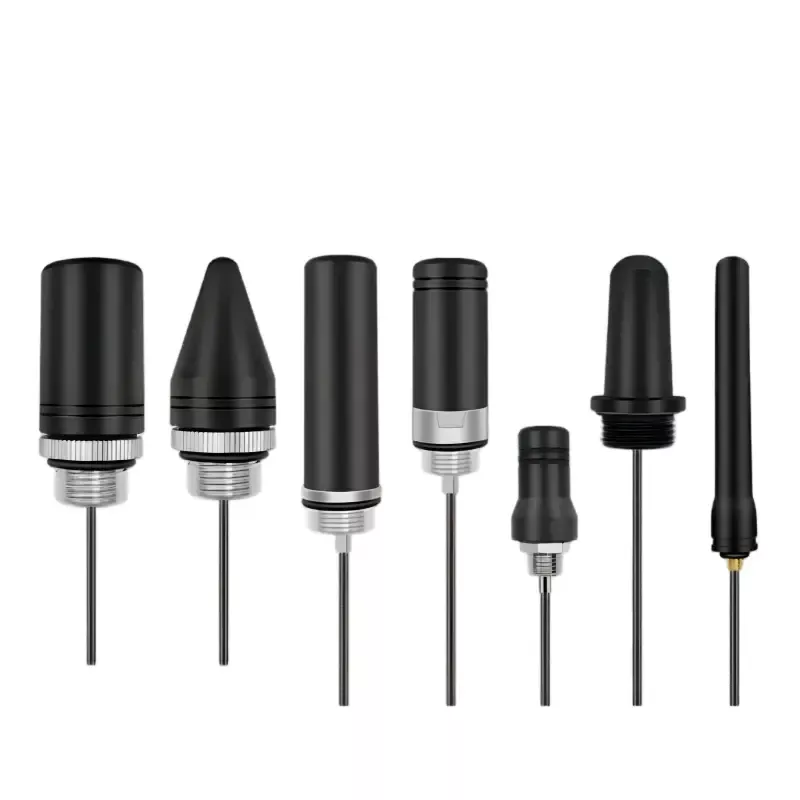
Table of Contents
- What Is an NB-IoT Antenna?
- How Does an NB-IoT Antenna Work?
- Which Features Matter Most?
- Where Are NB-IoT Antennas Used?
- What Are the Main Technical Specifications?
- How Do You Choose the Right Antenna?
- How Can Installation Improve Performance?
- Frequently Asked Questions
- Conclusion
1. What Is an NB-IoT Antenna?
An NB-IoT antenna is a radio-frequency component that enables a device to send and receive wireless signals through a Narrowband Internet of Things cellular network. NB-IoT is designed for connected devices that often require low power consumption, wide-area coverage, and dependable communication for small data transmissions.
Typical devices include smart water meters, gas meters, electricity monitoring terminals, environmental sensors, industrial controllers, and remote monitoring equipment. These applications may operate for extended periods without frequent maintenance, making antenna selection an important part of overall product design.
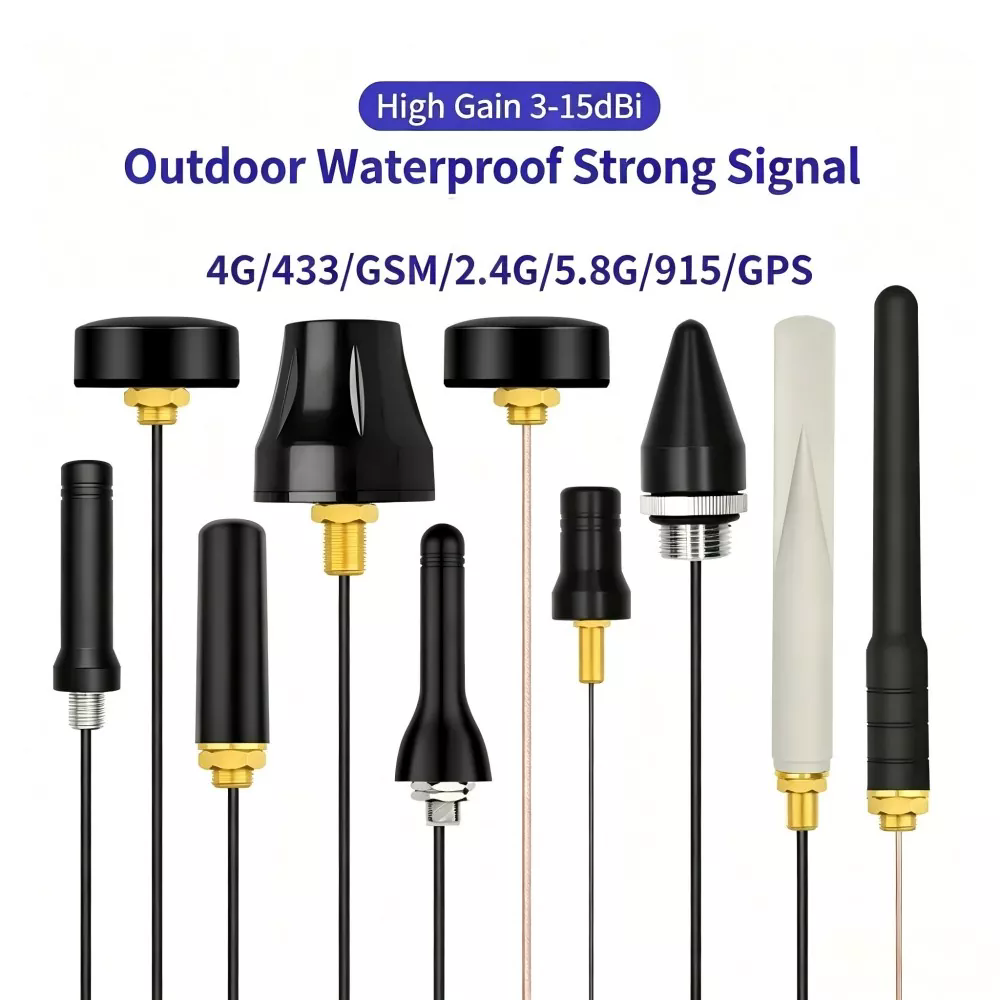
NB-IoT antennas are available in several forms:
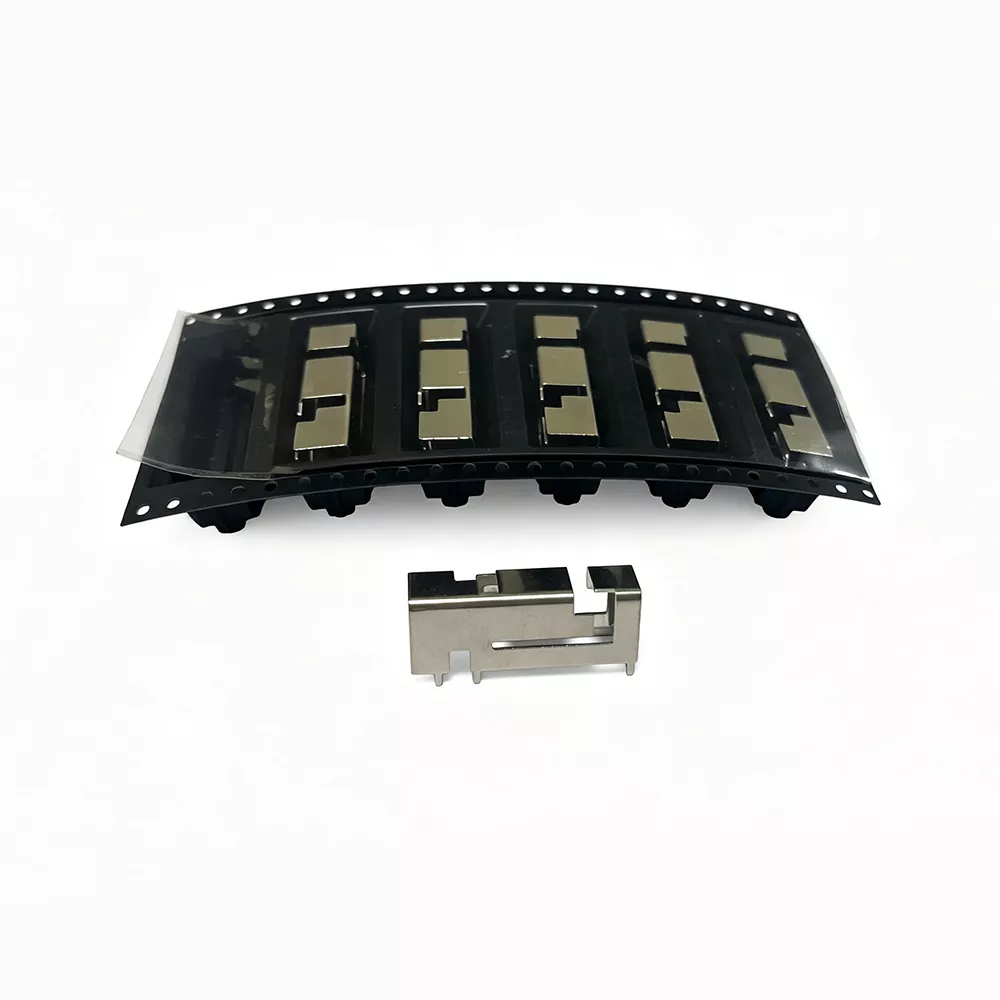
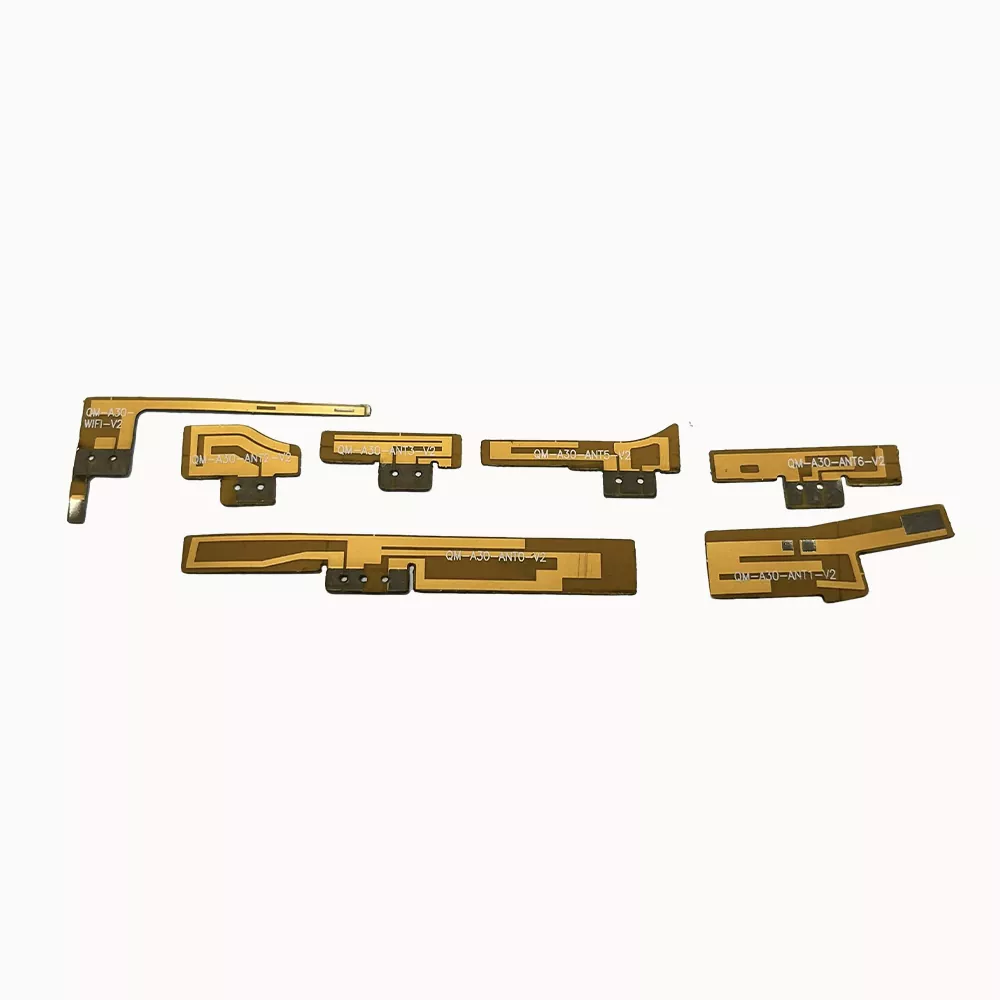
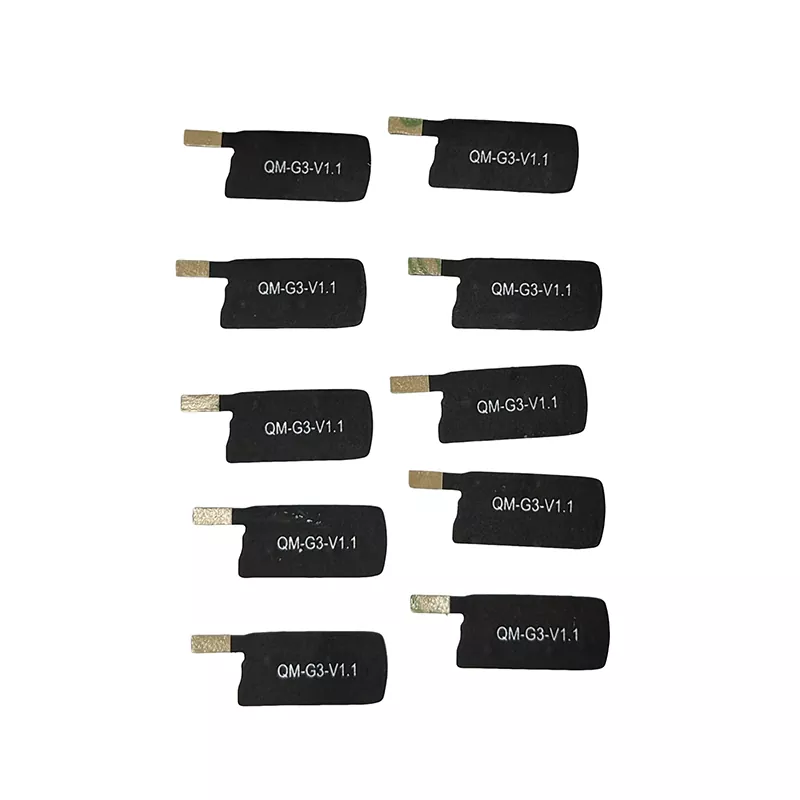
- Built-in antennas: Integrated into the device housing or circuit assembly where space and appearance are important.
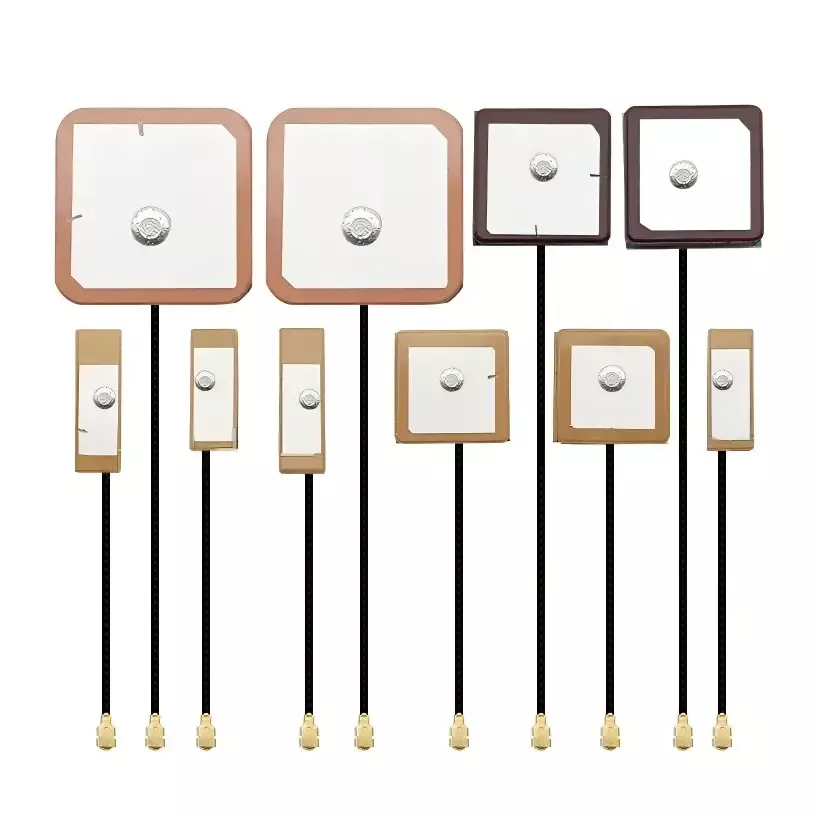
- Patch antennas: Compact structures suitable for selected embedded wireless applications.
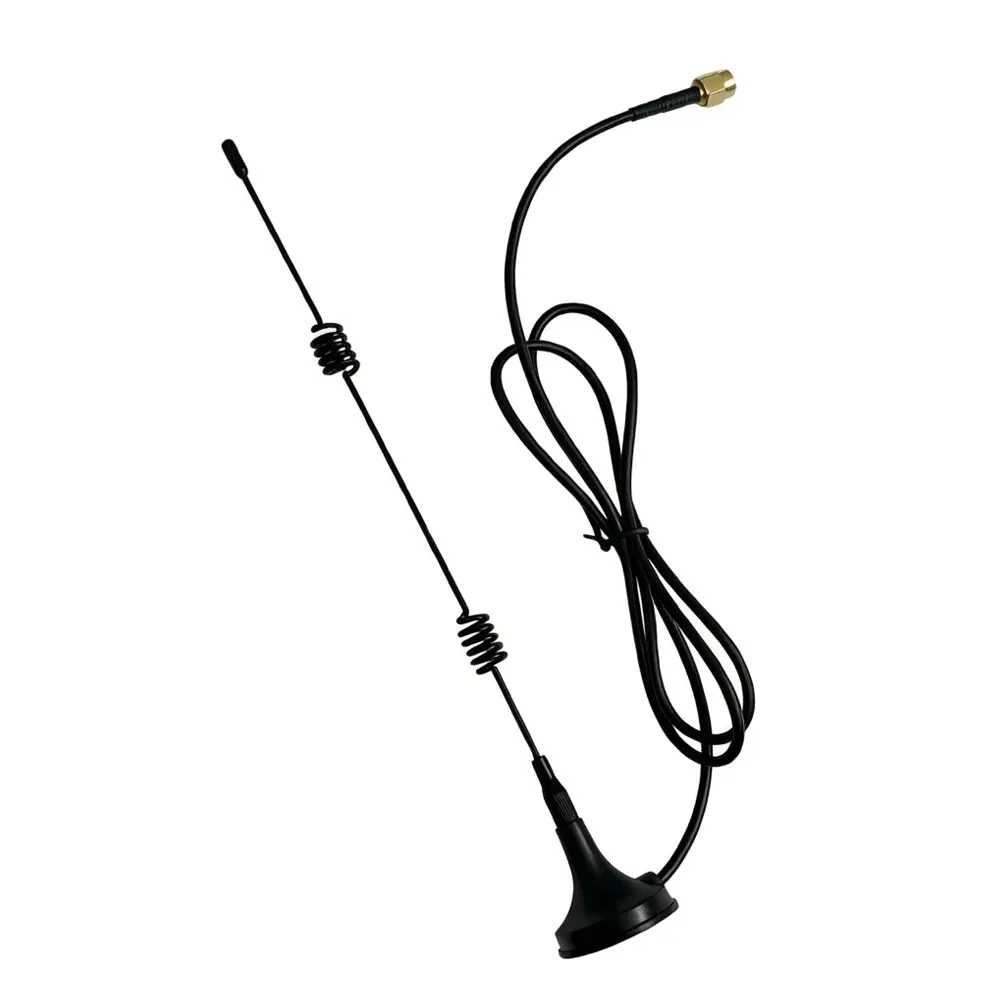
- Vehicle-mounted antennas: External solutions designed for particular mobile equipment and installation conditions.
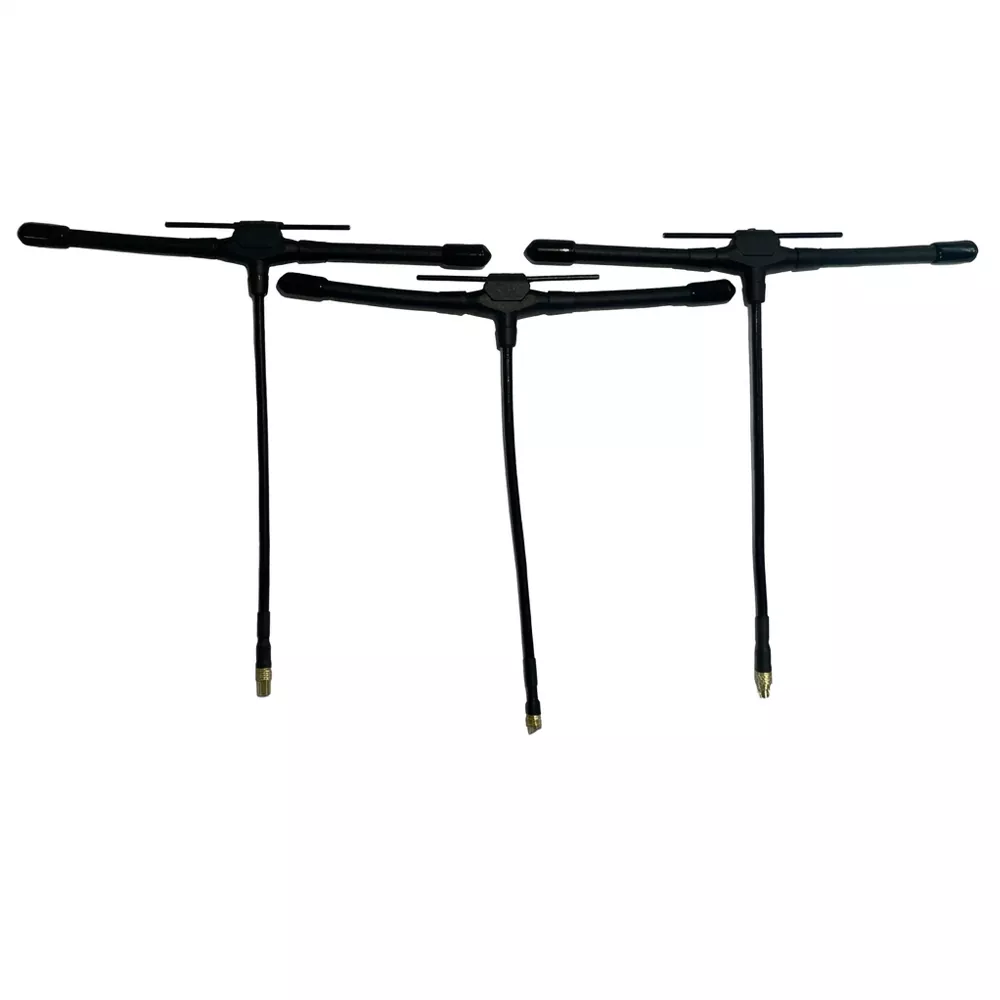
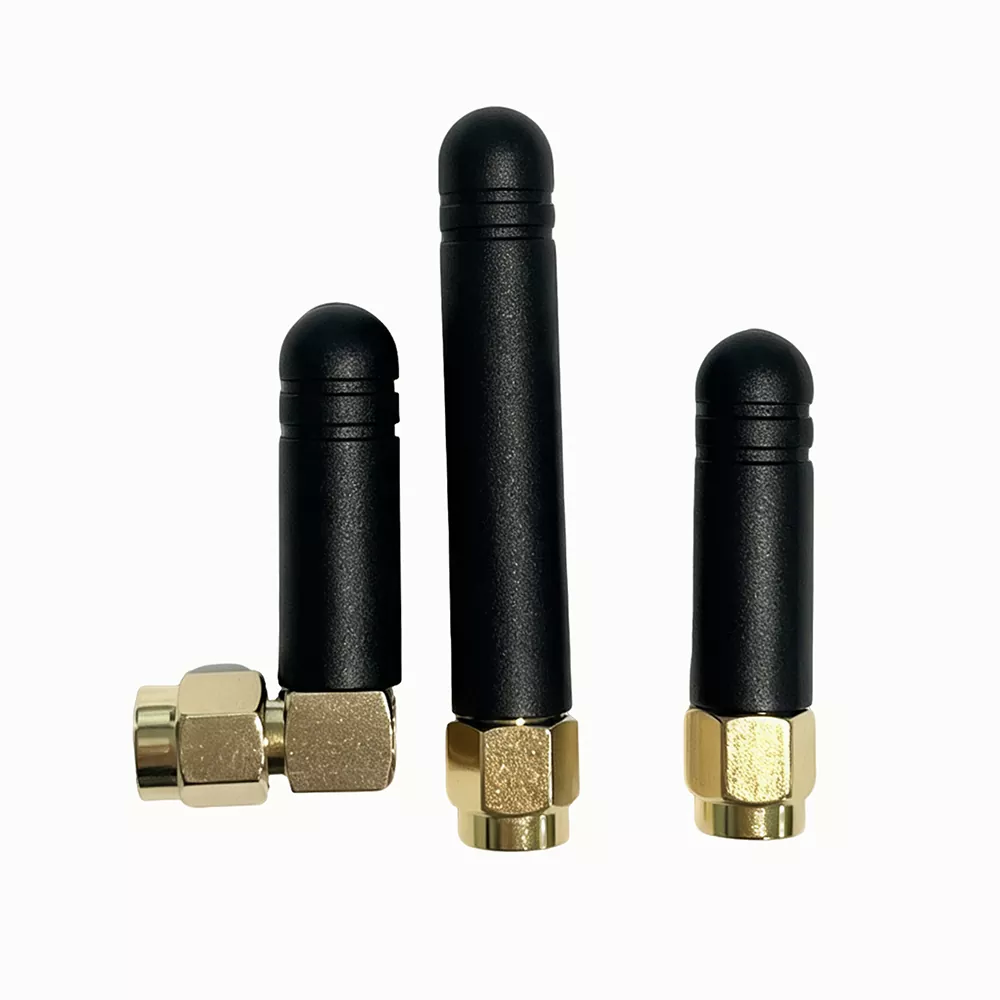
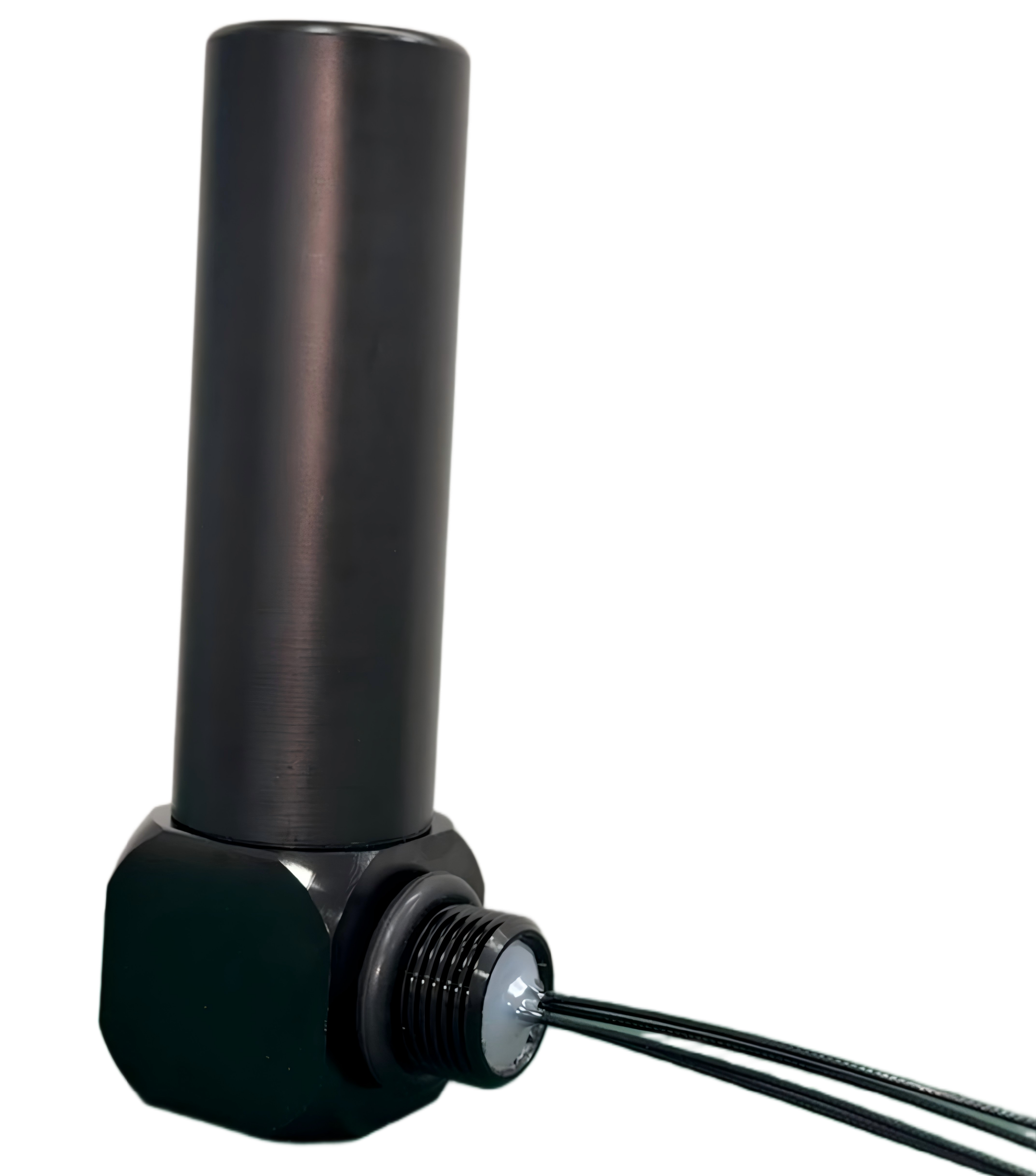
- Screw-mounted external antennas: Antennas installed through an enclosure panel, often preferred for metal cabinets and outdoor industrial equipment.
For equipment installed inside metal enclosures, an external antenna can provide a more practical RF path than an antenna positioned entirely within the cabinet. Qianmu's NB-IoT antenna solution is designed around outdoor cabinet installations and supports different mounting threads, cable lengths, and connector configurations.
2. How Does an NB-IoT Antenna Work?
An NB-IoT antenna converts electrical signals from a wireless communication module into electromagnetic waves and receives incoming radio signals from the cellular network. Its performance depends on the antenna's electrical design, the operating frequency, the surrounding materials, and the way it is installed.
Three engineering considerations are particularly important.
Frequency Matching
An antenna must be designed for the frequency bands used by the target NB-IoT network. An antenna that is poorly matched to the operating band can reflect more RF energy toward the transmitter instead of radiating it efficiently. Frequency coverage and impedance matching should therefore be verified before deployment.
Impedance and RF Efficiency
A 50-ohm impedance is widely used in RF systems. Matching the antenna, coaxial cable, and communication module helps reduce reflections and maintain efficient signal transfer. Voltage standing wave ratio (VSWR) is one useful indicator of impedance matching, although it does not independently establish total antenna efficiency or real-world communication range.
Enclosure and Environmental Effects
Metal cabinets can obstruct or alter radio-frequency radiation, while nearby cables, power supplies, and electronic components may influence antenna performance. Mounting the antenna outside a cabinet can help reduce enclosure-related shielding, provided that the antenna is installed and grounded according to its design requirements.
3. Which Features Matter Most in an Industrial NB-IoT Antenna?
Industrial IoT equipment often operates outdoors or in locations where access for maintenance is limited. A suitable antenna should therefore combine electrical compatibility with mechanical durability and installation flexibility.
Wide Frequency Coverage
A wide supported frequency range can simplify product deployment across compatible NB-IoT networks. Qianmu's featured external antenna covers 700–960 MHz, but buyers should still confirm the actual frequency bands deployed by their cellular operator and communication module.
IP67 Waterproof and Dustproof Protection
An IP67-rated enclosure is designed to provide dust protection and withstand specified temporary immersion conditions under the applicable test requirements. This rating is valuable for outdoor monitoring cabinets exposed to rain, dust, and changing weather. Correct panel installation and sealing remain essential to maintaining protection at the complete equipment assembly level.
Flexible Mounting and Connection Options
Different cabinets require different mounting dimensions and cable arrangements. M12 and M16 threaded options can help accommodate different panel designs, while SMA, IPEX, BNC, and N-type connectors offer potential compatibility with various RF interfaces. The exact connector gender and interface must be confirmed for the selected model.
Environmental Durability
Housing materials, sealing components, cable construction, and corrosion-resistant metal parts influence long-term reliability. For coastal installations, transportation equipment, and outdoor utility systems, buyers should evaluate temperature limits, vibration exposure, corrosion risks, and maintenance requirements together.
4. Where Are NB-IoT Antennas Used?
NB-IoT antennas support a wide range of remote monitoring and low-data-rate communication applications. External waterproof designs are particularly useful when devices are installed in metal cabinets or exposed to outdoor conditions.
Smart Water and Gas Metering
Connected metering systems transmit consumption readings and operational information to remote management platforms. Antenna placement can influence communication reliability when meters are installed in underground utility areas, outdoor enclosures, or locations surrounded by building materials.
Electricity and Industrial Control
Power monitoring terminals, electricity meter concentrators, and industrial control cabinets use wireless connectivity to report equipment status and measurement data. An external antenna can help address the RF constraints created by metal enclosures.
Smart City and Environmental Monitoring
Air-quality sensors, road dust monitoring stations, weather monitoring equipment, and intelligent streetlight controllers may require dependable wireless links across distributed locations. Waterproofing and appropriate temperature ratings are important when these devices operate outdoors.
Agricultural IoT
Remote soil monitoring, greenhouse environmental control, and aquaculture water-quality monitoring can use NB-IoT connectivity to transmit measurements from locations where conventional wired networking is inconvenient.
Remote Equipment Alarms
Industrial facilities can use connected terminals to report abnormal conditions, equipment faults, or changes in operating status. Antenna performance should be assessed alongside network availability, power management, and the communication module's supported features.
5. What Are the Main Technical Specifications of an NB-IoT Antenna?
Technical specifications provide a practical basis for comparing antenna models. The following table summarizes the published parameters of Qianmu's featured external NB-IoT antenna. Specifications should be reconfirmed against the quotation and datasheet for the exact model being ordered.
| Parameter | Published Specification | Why It Matters |
|---|---|---|
| Frequency range | 700–960 MHz | Supports compatible NB-IoT frequency bands within the specified range. |
| Nominal impedance | 50 Ω | Helps match the antenna to common RF feed systems. |
| VSWR | ≤ 1.5 | Indicates low reflection under the specified measurement conditions. |
| Antenna gain | 2.0–3.0 dBi | Provides a reference for evaluating directional radiation performance. |
| Protection rating | IP67 | Supports use in appropriately installed outdoor equipment. |
| Operating temperature | -40°C to +75°C | Defines the published temperature range for product selection. |
| Mounting thread | M12 or M16 | Helps match the antenna to the enclosure mounting hole. |
| Housing and hardware | Weather-resistant ABS and aluminum alloy locking nut | Supports mechanical installation and environmental protection. |
| Cable length options | 1.5 m, 3 m, 5 m, 8 m, or 10 m | Allows adaptation to different equipment layouts. |
| Connector options | SMA, IPEX, BNC, or N type, subject to model configuration | Enables connection to compatible RF modules and cables. |
| Salt spray resistance | Published 48-hour test result | Offers a reference for evaluating corrosion resistance. |
These specifications describe the featured product rather than every antenna in the NB-IoT category. Actual performance depends on the selected configuration, installation environment, network band, cable routing, and the host device. Buyers should request the applicable test data when specific acceptance criteria are required.
6. How Do You Choose the Right NB-IoT Antenna?
Choosing an antenna begins with the communication requirements of the finished device. A model that performs well in a laboratory may deliver different results when installed near metal panels, power electronics, or other RF-sensitive components.
Use the following checklist when evaluating suppliers and antenna configurations:
- Confirm the network bands: Check the frequencies supported by the deployed operator and the NB-IoT module.
- Evaluate the installation location: Determine whether the antenna will be mounted inside a plastic enclosure, outside a metal cabinet, or on mobile equipment.
- Select the correct mounting thread: Verify panel thickness, hole diameter, available clearance, and sealing requirements.
- Match the connector: Confirm connector type, gender, cable impedance, and the interface on the communication module.
- Choose an appropriate cable length: Avoid unnecessary cable length because coaxial cable introduces RF loss that can reduce the signal delivered to or received from the antenna.
- Review environmental conditions: Consider rain, dust, temperature extremes, vibration, and salt exposure.
- Request relevant test information: Review frequency response, VSWR, gain, and any environmental test results applicable to the proposed model.
- Test the complete device: Validate connectivity and signal quality using the actual enclosure, cable route, module, and intended installation location.
For OEM projects, customization can also involve housing dimensions, cable length, connector configuration, and mounting structure. Discussing these requirements before tooling or mass production helps reduce integration changes later in the development cycle.
7. How Can Installation Improve NB-IoT Antenna Performance?
Even a correctly specified antenna can underperform if it is installed poorly. A few practical measures can help preserve RF performance and maintain environmental protection.
- Choose an appropriate mounting position. For external cabinet antennas, use a suitable panel location that avoids unnecessary obstruction from nearby metal structures.
- Secure the mounting hardware correctly. Follow the manufacturer's installation instructions and tightening requirements to avoid damaging the thread or compromising the seal.
- Route the coaxial cable carefully. Avoid sharp bends, repeated folding, pinching, and unnecessary cable runs.
- Separate the cable from interference sources where practical. Keep RF wiring away from noisy power electronics and switching components when the equipment layout permits.
- Inspect sealing components. Ensure that gaskets and cable entry points are correctly installed, especially in outdoor cabinets.
- Test after final assembly. Evaluate network registration, signal indicators, and application-level data delivery under representative operating conditions.
Installation should be treated as part of the antenna system design rather than as a final mechanical task. Testing the complete assembly is the most reliable way to identify issues that may not appear when the antenna is evaluated separately.
8. Frequently Asked Questions About NB-IoT Antennas
Q1: What frequency range should an NB-IoT antenna support?
The required range depends on the cellular bands used by the target network. Qianmu's featured external antenna covers 700–960 MHz. Confirm local network deployment and module compatibility before selecting a model.
Q2: Can an NB-IoT antenna be installed on a metal control cabinet?
Yes. A screw-mounted external antenna is often suitable for metal cabinets because the radiator can be positioned outside the enclosure. The mounting design, grounding or coupling arrangement, and installation instructions should be followed for the specific model.
Q3: Is an IP67-rated NB-IoT antenna suitable for outdoor use?
An IP67 rating indicates a defined level of dust and water ingress protection under specified test conditions. It can be suitable for many outdoor applications, but the complete installation must also maintain appropriate sealing and environmental protection.
Q4: Can cable length and connector type be customized?
Yes. Qianmu lists cable options from 1.5 m to 10 m and connector choices including SMA, IPEX, BNC, and N type. Availability depends on the selected configuration, so confirm connector details and cable requirements when requesting a quotation.
Q5: Does higher antenna gain always provide better connectivity?
No. Gain must be considered alongside radiation pattern, installation orientation, network conditions, and the receiving system. A higher-gain antenna does not automatically guarantee better performance in every direction or location.
Q6: How can I reduce signal loss during installation?
Use a suitable low-loss coaxial cable, select an appropriate cable length, avoid sharp bends, ensure sound connector assembly, and position the antenna away from significant obstructions. Verify performance after installing the antenna in the final enclosure.
Q7: What information should I provide when requesting a customized NB-IoT antenna?
Provide the operating frequency bands, communication module model, enclosure material, mounting dimensions, cable length, connector type, environmental conditions, target quantity, and any required RF or ingress-protection test criteria. This information helps the supplier assess compatibility and recommend an appropriate configuration.
9. Conclusion: Build a More Reliable IoT Connection
A well-selected NB-IoT antenna helps connected devices maintain effective wireless communication in applications ranging from smart metering and industrial monitoring to environmental sensing and outdoor control systems. Frequency compatibility, impedance matching, mounting structure, cable selection, and environmental protection all contribute to the final result.
Qianmu offers an external NB-IoT antenna solution featuring 700–960 MHz coverage, IP67 protection, M12 and M16 mounting options, and configurable cable and connector choices. For equipment manufacturers, system integrators, and IoT product developers, evaluating these parameters against actual operating conditions is an important step toward dependable deployment.
Looking for a suitable antenna for your next IoT project? Explore the Qianmu NB-IoT Antenna product page to review the available specifications and configuration options. If you need help matching frequency bands, connectors, cable lengths, or mounting requirements to your equipment, contact us to discuss your application and request a customized antenna solution for your project.
Related News
- Qianmu Launches Custom LDS 3D Antenna Solutions for Wearable, Automotive & Compact IoT Devices
- How Can the Right DAB Antenna Improve Digital Radio Reception in Modern Vehicles
- FPC vs. PCB Antennas: Key Differences for Compact Electronic Devices
- Shenzhen Qianmu Communication Technology Co., Ltd. Launches High-Performance Smart Water Meter Antenna for Global Smart Water Projects
- Why Is a Built-in FM Radio Antenna a Smart Choice for Modern Audio Devices
- How Can a Built-in FM Radio Antenna Improve Signal Reception in Compact Electronic Devices
Leave me a message