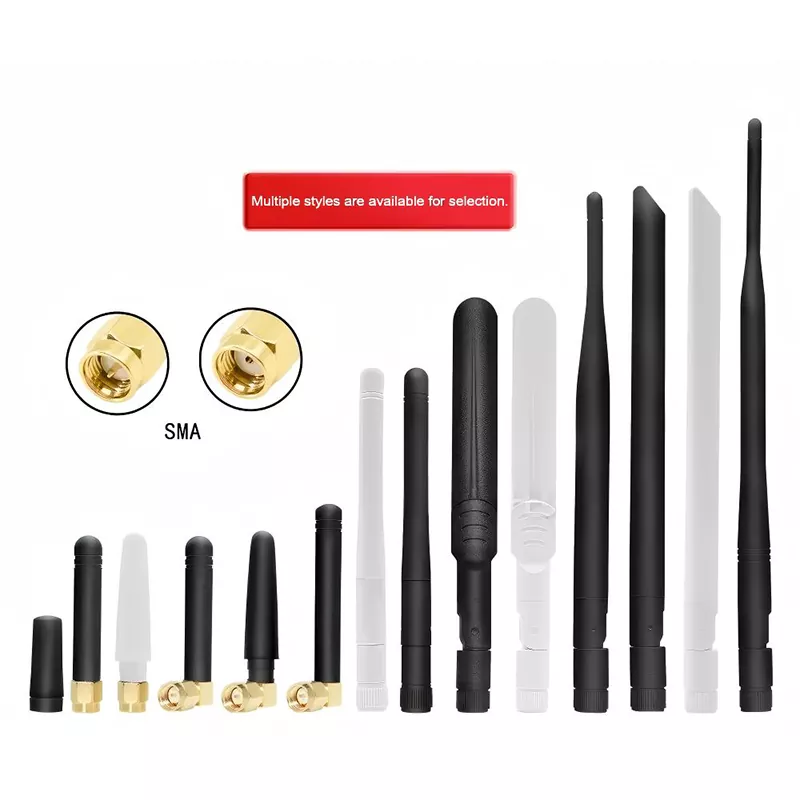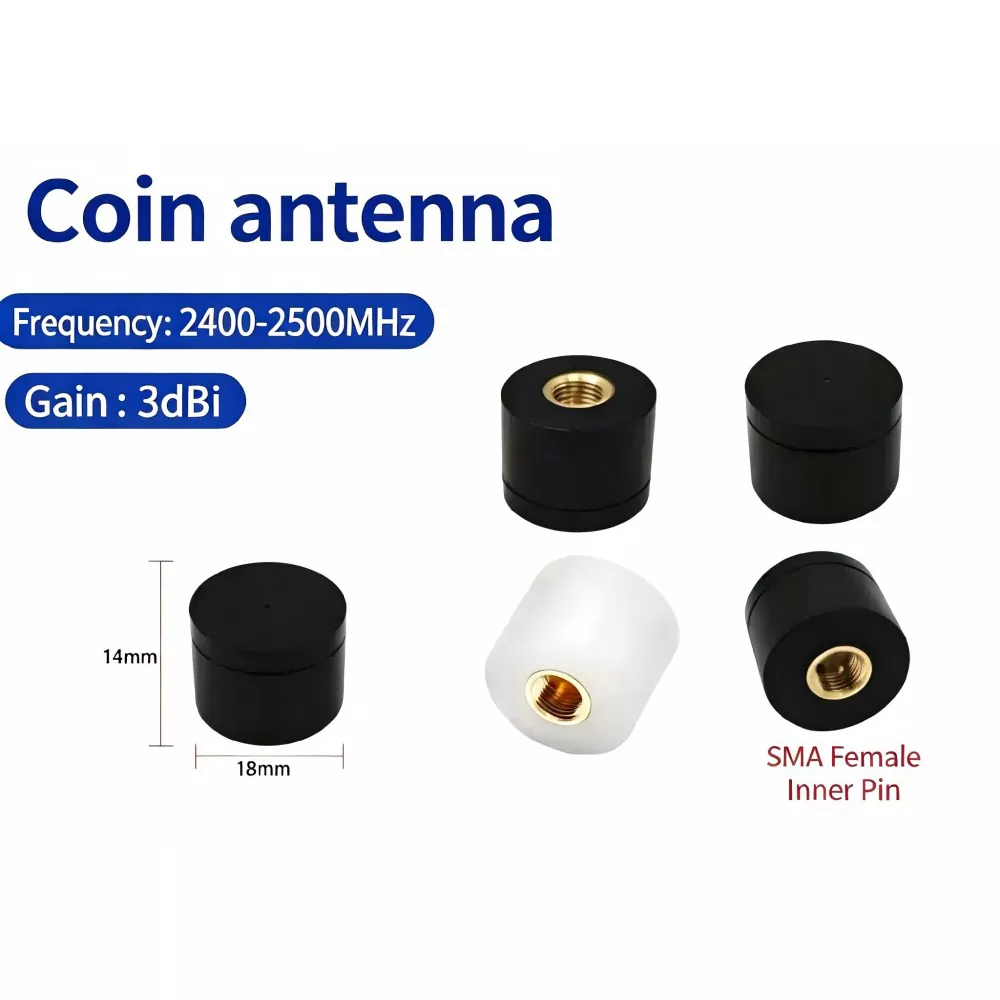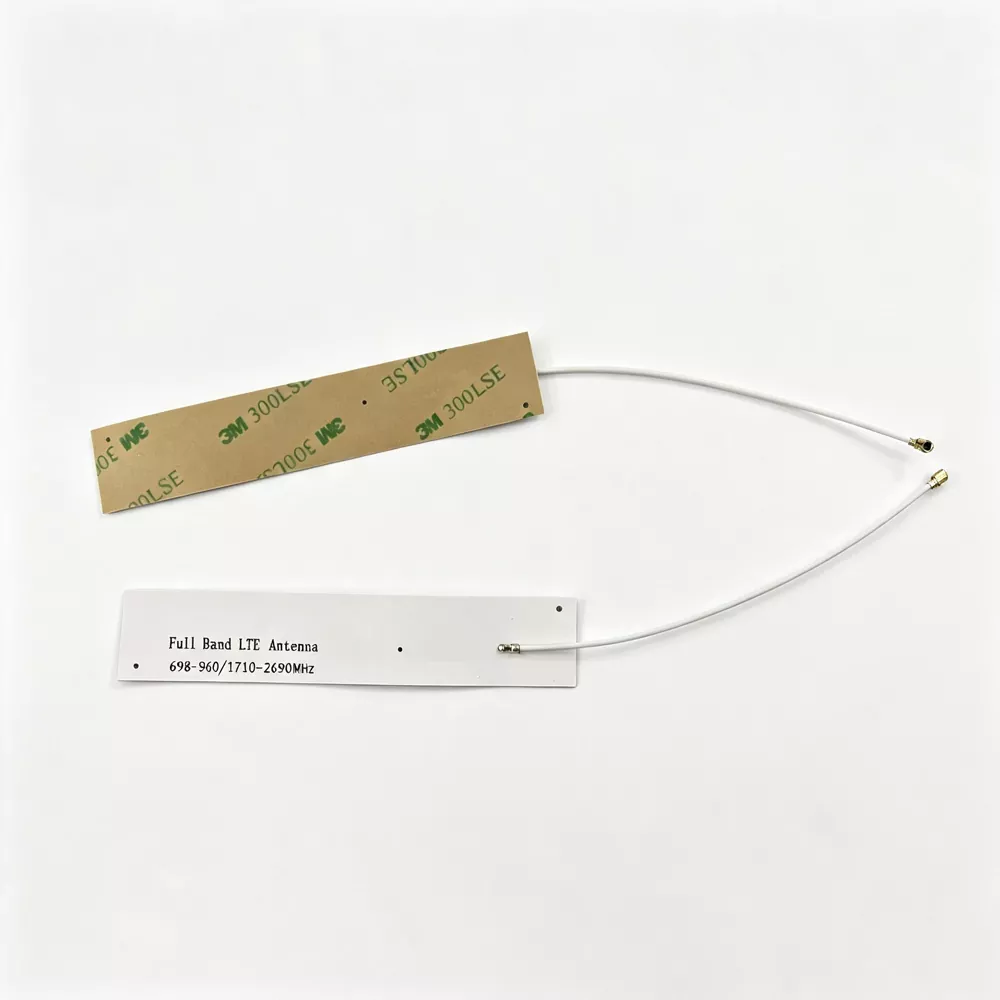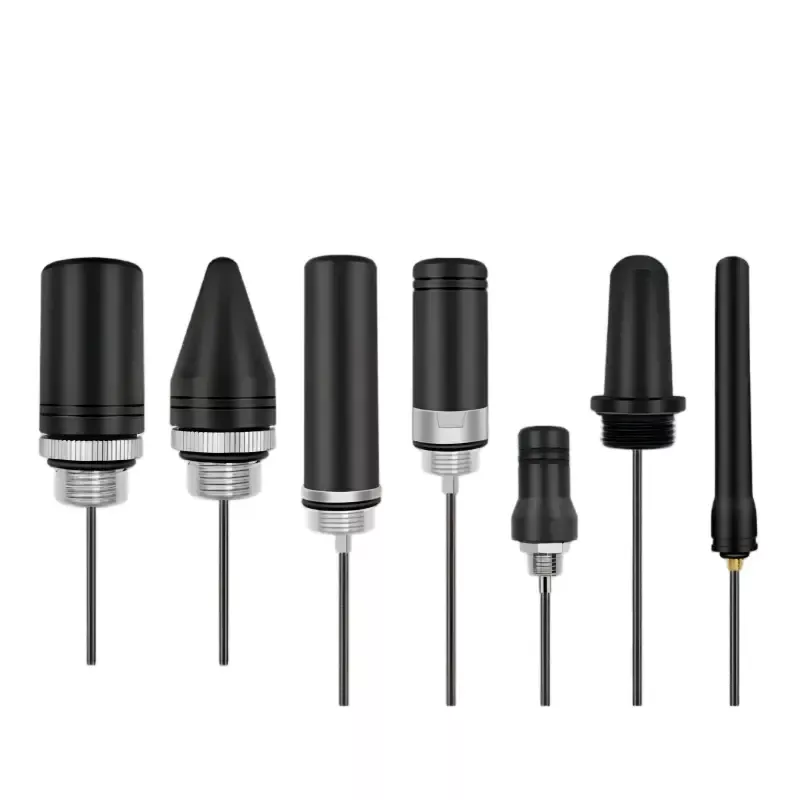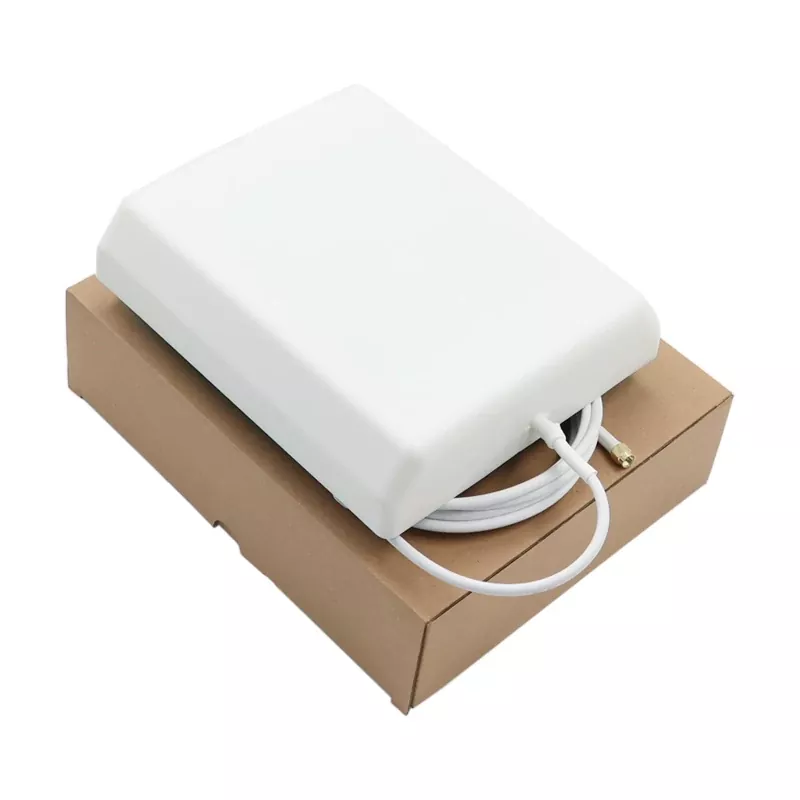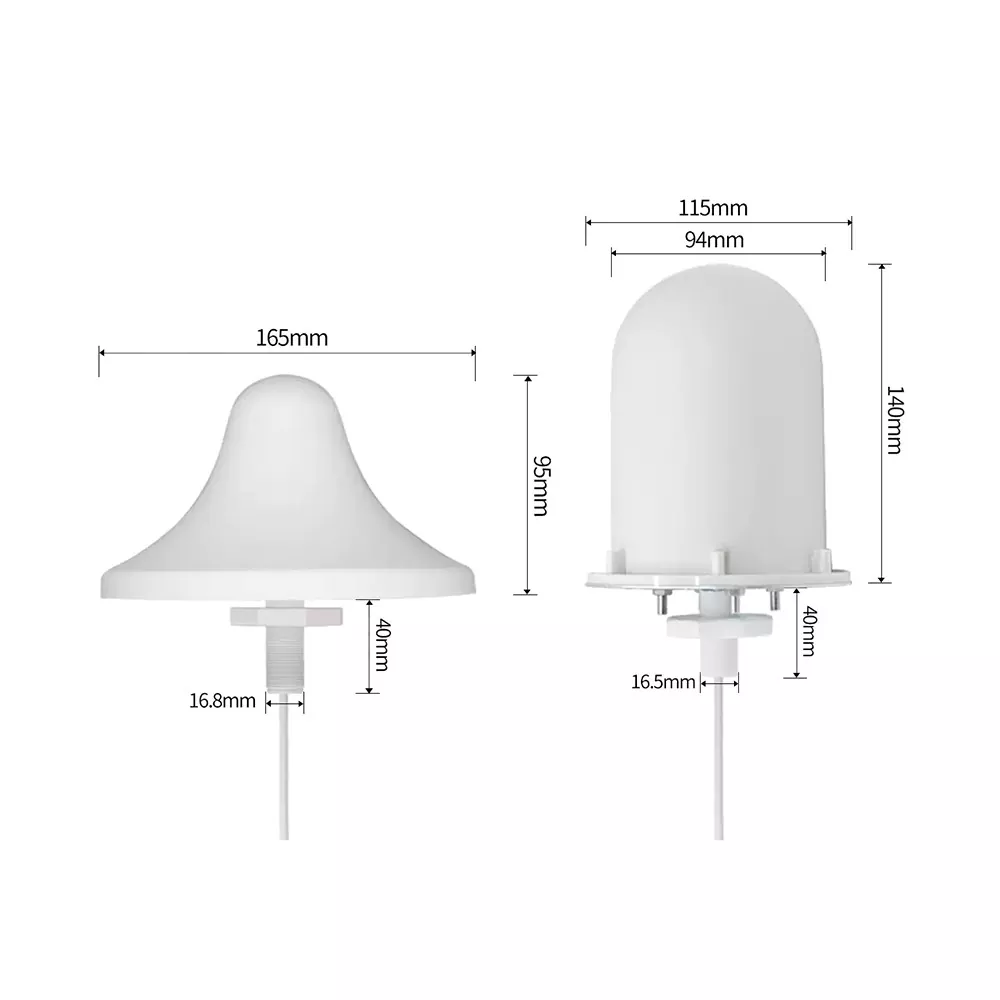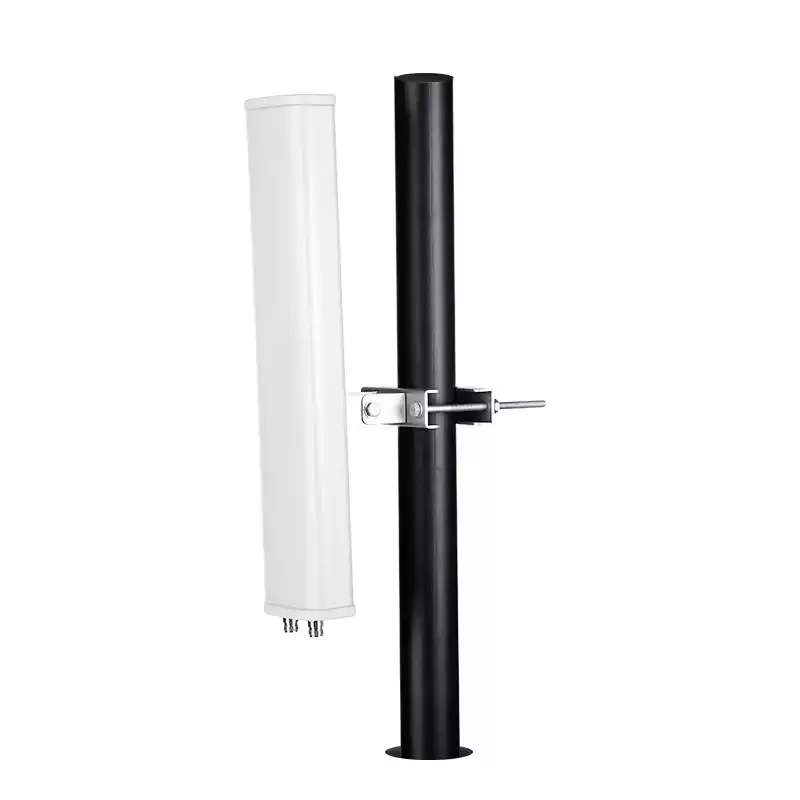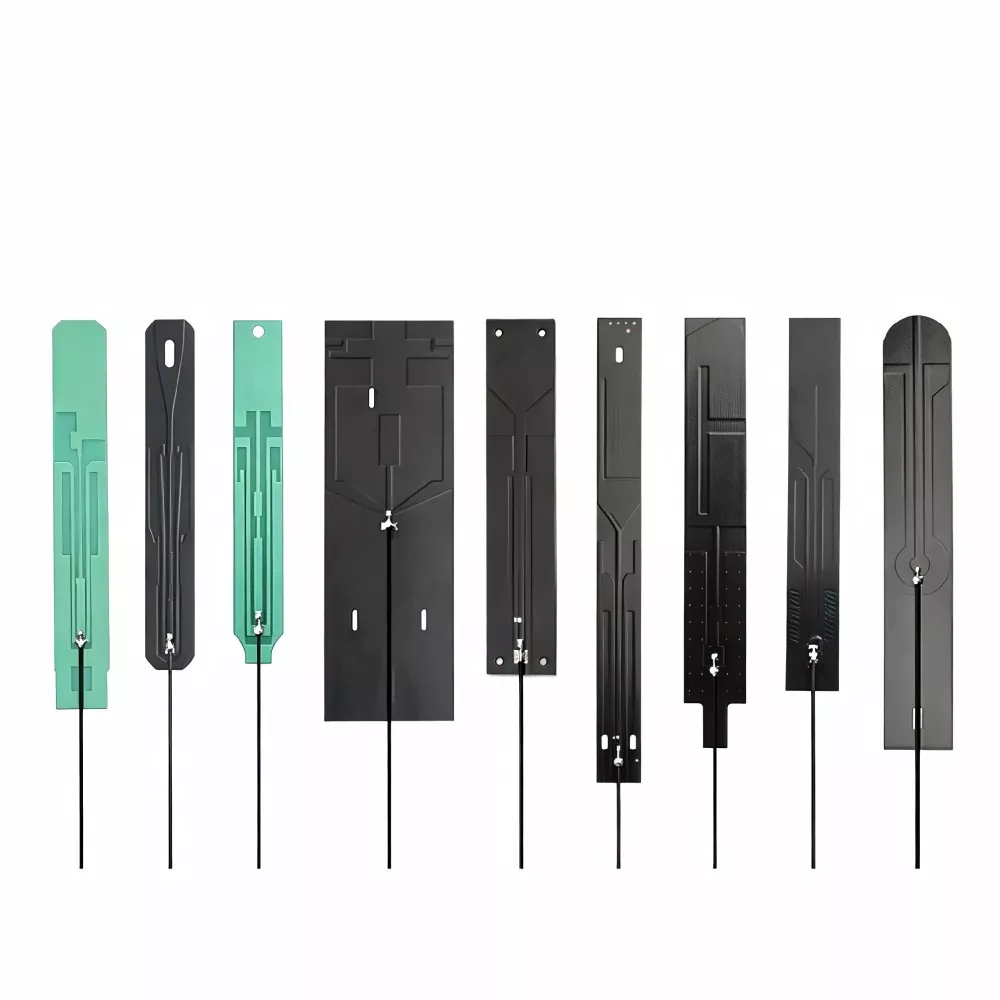
Qianmu develops the Built-in FM Radio Antenna for manufacturers that need dependable FM reception in compact electronic products. Designed around practical integration requirements, this internal antenna solution can help audio devices achieve stable radio performance while saving installation space and maintaining a clean exterior design.
FM radio remains an important feature in many automotive audio systems, portable radios, Bluetooth speakers, smart audio products, and consumer electronics. However, adding FM reception to a compact device requires more than simply connecting an antenna to the receiver. Antenna dimensions, ferrite material, coil winding, installation location, cable routing, and surrounding electronic components can all influence reception quality. A Built-in FM Radio Antenna provides manufacturers with a compact alternative to traditional external antennas. This article explains its working principle, design advantages, application value, key purchasing considerations, and practical integration methods.
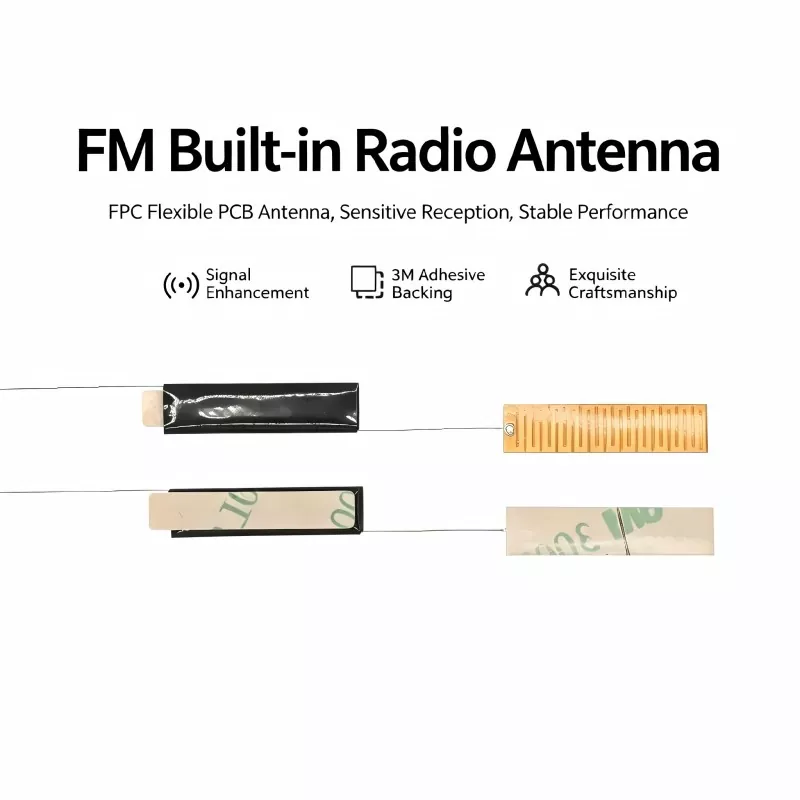
Table of Contents
What Should Manufacturers Know About Built-in FM Antennas?
How Is a Built-in FM Radio Antenna Designed?
Why Does Internal Antenna Design Matter?
Which Products Can Use a Built-in FM Antenna?
Which Factors Affect FM Reception Performance?
What Specifications Should Buyers Compare?
How Can Engineers Integrate the Antenna into a Product?
What Should You Look for in an FM Antenna Supplier?
Is a Built-in FM Radio Antenna Right for Your Product?
What Should Manufacturers Know About Built-in FM Antennas?
A built-in FM antenna is an internal receiving component designed to capture FM broadcast signals without requiring a conventional external telescopic antenna. It is installed inside the product housing and connected to the FM receiver circuit through a lead, pin, or other electrical interface.
For many commercial products, internal installation offers an important balance between RF functionality and industrial design. Instead of allowing an antenna to extend outside the enclosure, manufacturers can position the receiving component inside the available space.
A ferrite-core construction is commonly used for compact FM receiving applications. The ferrite material helps concentrate magnetic flux around the coil, while the wound conductor converts the electromagnetic energy into an electrical signal that can be processed by the receiving circuit.
The antenna therefore becomes part of the overall RF system rather than an isolated accessory. Its performance depends on both its own electrical characteristics and the environment in which it operates.
How Is a Built-in FM Radio Antenna Designed?
The design of an internal FM antenna normally starts with the target frequency range and available installation space. Engineers then determine suitable ferrite dimensions, winding structure, wire specifications, connection method, and mechanical configuration.
Ferrite Core
The ferrite core is an important part of the magnetic receiving structure. Its material characteristics and physical dimensions influence how effectively the antenna interacts with the surrounding electromagnetic field.
Precision Coil
The copper wire is wound around the ferrite core according to defined electrical requirements. Winding consistency is important because variations can affect the electrical characteristics of individual antenna units.
Connection Structure
Depending on the host device, the antenna can use different cable, pin, or connector configurations. A suitable connection structure simplifies assembly and reduces unnecessary modifications to the customer's PCB.
Mechanical Configuration
Dimensions must be considered at the early design stage. An antenna that performs well electrically may still be unsuitable if it cannot fit inside the intended enclosure or interferes with other components.
Why Does Internal Antenna Design Matter?
Modern electronic devices are becoming smaller while incorporating more functions. This creates a challenging environment for RF components because valuable internal space is shared by batteries, PCBs, speakers, processors, power circuits, and mechanical structures.
A properly designed internal antenna can offer several practical benefits:
- Space optimization: The antenna is installed inside the product rather than requiring external mounting space.
- Improved product appearance: No long telescopic antenna is required for everyday operation.
- Mechanical protection: Internal placement reduces exposure to accidental bending or physical impact.
- Flexible integration: Customized dimensions can accommodate different enclosure layouts.
- Consistent assembly: A defined internal mounting position can support standardized production.
- Application versatility: The same basic antenna concept can be adapted to different electronic products.
These advantages are particularly relevant to manufacturers that want to combine FM radio with modern wireless and digital functions in a compact housing.
Which Products Can Use a Built-in FM Antenna?
The application range is broader than traditional standalone radios. As long as the electronic system includes an FM receiving function and provides an appropriate installation environment, an internal antenna can be considered.
| Application | Typical Requirement | Internal Antenna Advantage |
|---|---|---|
| Car Audio | Stable FM reception in a compact control unit | Concealed installation |
| Bluetooth Speakers | FM function combined with wireless audio | Space-efficient design |
| Portable Radios | Compact housing and portable operation | Reduced external components |
| Alarm Clocks | Integrated FM radio function | Clean product appearance |
| Smart Audio Equipment | Multiple functions inside one enclosure | Flexible internal placement |
| Specialized Receivers | Application-specific RF integration | Customizable configuration |
Which Factors Affect FM Reception Performance?
Choosing an antenna with the correct nominal frequency is only the first step. Real-world performance can be influenced by several additional factors.
1. Installation Location
The antenna should be positioned where it can receive the RF signal effectively. Installing it next to large conductive components or high-noise circuits may reduce practical performance.
2. PCB Layout
The PCB can influence the antenna's electromagnetic environment. Engineers should consider the distance between the antenna and processors, switching power supplies, high-speed interfaces, and other potential interference sources.
3. Enclosure Material
Plastic and non-conductive housings generally provide a different RF environment from metal enclosures. The final housing should therefore be included in prototype testing.
4. Cable Routing
The antenna lead should be routed carefully and kept away from unnecessary sources of electrical noise. Consistent cable routing can also help maintain repeatable production performance.
5. Receiver Sensitivity
An antenna cannot compensate for every limitation in the receiving circuit. Antenna characteristics and receiver performance should be evaluated together during product development.
What Specifications Should Buyers Compare?
When sourcing an FM antenna, purchasing teams should create a technical specification sheet before requesting quotations. This makes supplier comparison more meaningful and reduces the risk of selecting a component based only on price.
| Specification | Recommended Evaluation | Purchasing Importance |
|---|---|---|
| Frequency Range | Confirm compatibility with the required FM band | Essential |
| Ferrite Material | Evaluate material and consistency | High |
| Coil Winding | Check winding accuracy and repeatability | High |
| Dimensions | Match the available internal space | Essential |
| Lead Length | Confirm PCB and assembly requirements | Medium |
| Connector | Verify electrical and mechanical compatibility | High |
| Temperature Range | Match the operating environment | Medium to High |
| Customization | Determine whether OEM specifications are supported | High |
For volume production, buyers should also consider sample approval procedures, incoming inspection, production consistency, packaging, lead time, and technical support.
How Can Engineers Integrate the Antenna into a Product?
A successful antenna integration process should begin before the final enclosure is frozen. Early coordination between the antenna supplier, PCB engineer, mechanical engineer, and product manufacturer can prevent expensive redesigns.
- Define the RF requirement: Establish the target FM frequency range and receiver architecture.
- Reserve installation space: Identify an antenna location before completing the mechanical layout.
- Provide drawings: Share available dimensions and connection requirements with the antenna manufacturer.
- Develop samples: Evaluate customized antenna prototypes in the intended product.
- Test the complete assembly: Measure reception under realistic operating conditions.
- Finalize production specifications: Lock dimensions, winding parameters, cables, connectors, and inspection criteria.
Prototype testing is especially important because antenna performance measured outside the product may not represent performance after the antenna is installed inside the final housing.
What Should You Look for in an FM Antenna Supplier?
A suitable supplier should be able to provide more than a catalog component. For OEM and ODM projects, technical communication and customization capability can be equally important as the basic antenna specification.
When evaluating a China antenna manufacturer or supplier, consider the following:
- Experience producing FM and other RF antenna components.
- Ability to customize ferrite core dimensions and winding structures.
- Stable control of coil winding and component assembly.
- Capability to customize cables, pins, and connectors.
- Sample development before mass production.
- Clear technical drawings and product specifications.
- Quality inspection procedures for production batches.
- Responsive communication during product development.
Qianmu focuses on antenna development and manufacturing for different electronic applications. Its customized approach allows customers to discuss frequency requirements, installation dimensions, connection methods, and other project-specific parameters before finalizing a production solution.
Built-in FM Radio Antenna FAQ
Can a Built-in FM Radio Antenna replace an external telescopic antenna?
For many compact electronic products, an internal antenna can be used instead of a traditional telescopic antenna. However, the final choice depends on the receiver design, product structure, available installation space, and required reception performance.
What FM frequency range is normally supported?
Many commercial FM radio applications operate within the 88–108 MHz range. The exact antenna design should be matched to the required frequency range and receiving circuit.
Can the antenna be customized for a small enclosure?
Yes. Customization can address ferrite dimensions, coil structure, lead length, terminal configuration, and other mechanical requirements. Prototype testing is recommended when installation space is highly restricted.
Does antenna placement affect radio reception?
Yes. Placement can have a significant effect. Nearby metal components, power circuits, processors, PCB traces, batteries, and cables may change the electromagnetic environment around the antenna.
Should an antenna be tested inside the finished product?
Yes. Testing the antenna inside the actual enclosure provides more realistic information about final reception performance than testing the antenna as an independent component.
Why choose a customized antenna instead of a standard model?
A customized model can be designed around the specific dimensions, receiver interface, installation location, and mechanical constraints of the product. This can make integration easier and reduce the need for structural modifications.
Is a Built-in FM Radio Antenna Right for Your Product?
For modern electronic products where space, appearance, reliability, and RF functionality must coexist, a built-in antenna can provide a practical alternative to conventional external designs. Its success depends on the complete engineering process, including ferrite selection, coil winding, frequency requirements, PCB design, installation position, enclosure structure, and final product testing.
Qianmu provides customized Built-in FM Radio Antenna solutions for manufacturers developing audio equipment, automotive electronics, portable radios, Bluetooth speakers, and other FM-enabled devices. If you have a specific frequency range, enclosure size, cable requirement, or receiver interface, contact us to discuss your project and develop an antenna configuration that fits your product requirements.