Spring Antenna
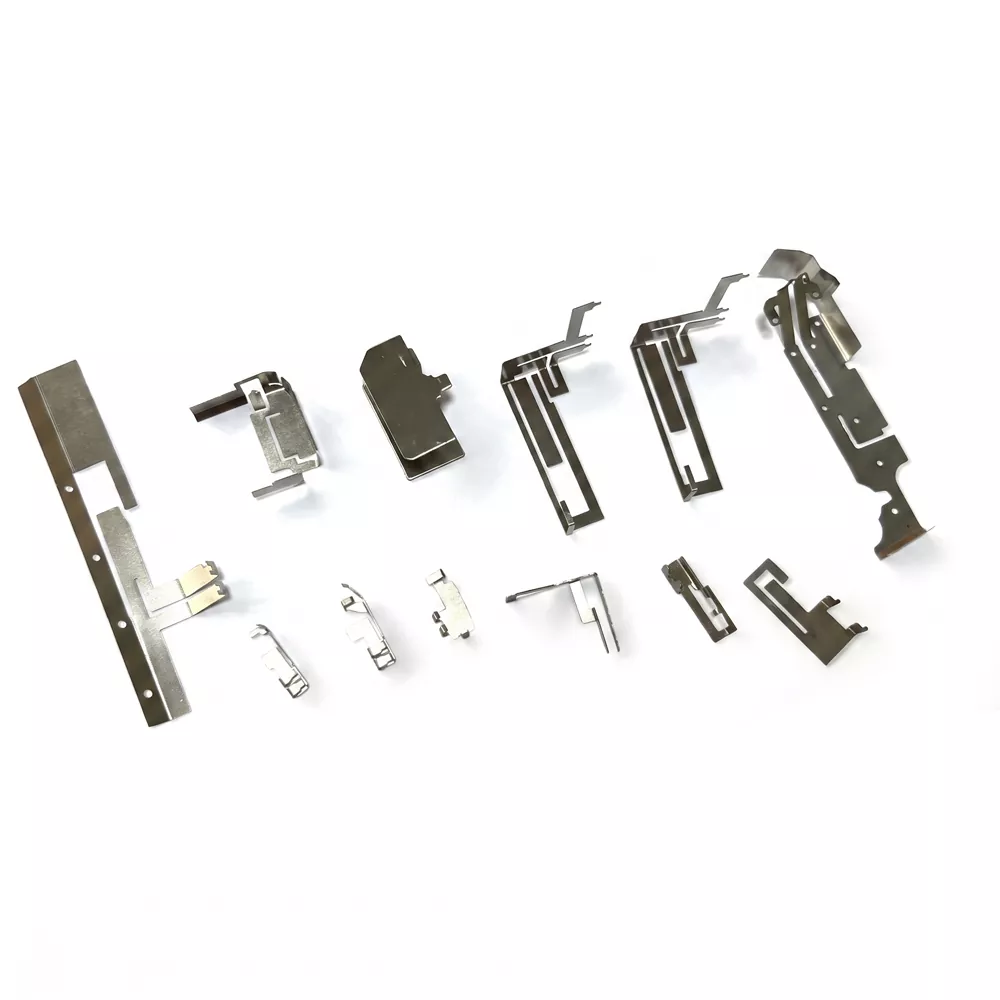
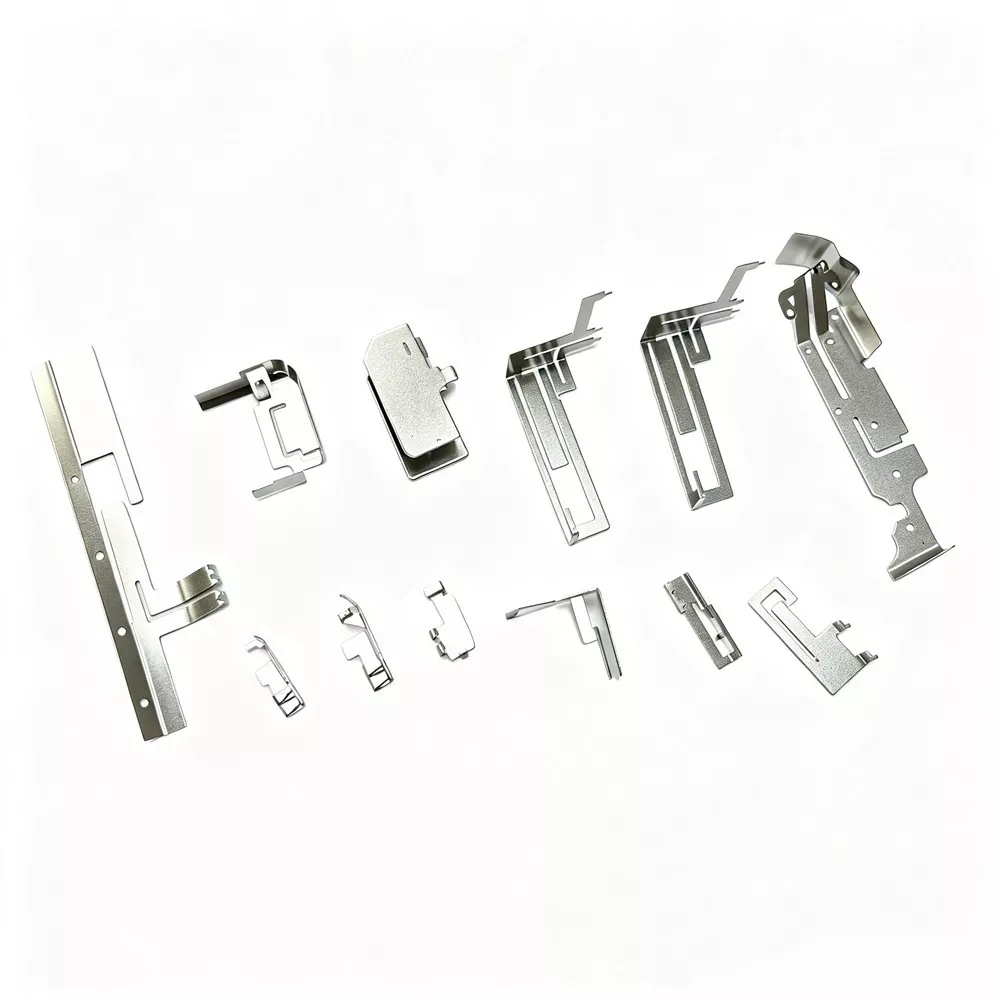
As a professional Supplier, Qianmu Communication offers customized high-precision helical spring antenna services. Made from premium materials.Carbon steel nickel-plated Made of phosphor bronze, it boasts exceptional conductivity and corrosion resistance. We are trustworthy.China ManufacturerWe offer a one-stop solution ranging from prototyping to mass production, widely used in IoT, remote controls, and wireless communication modules.
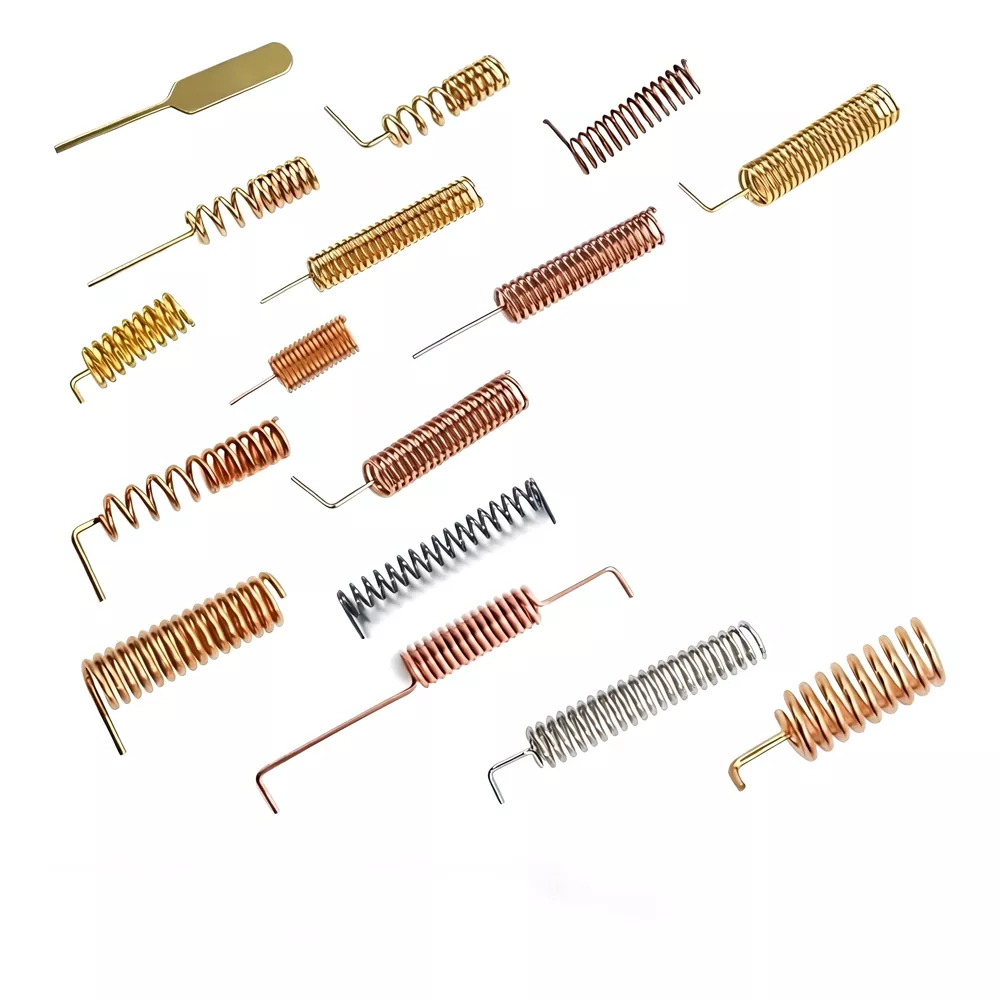
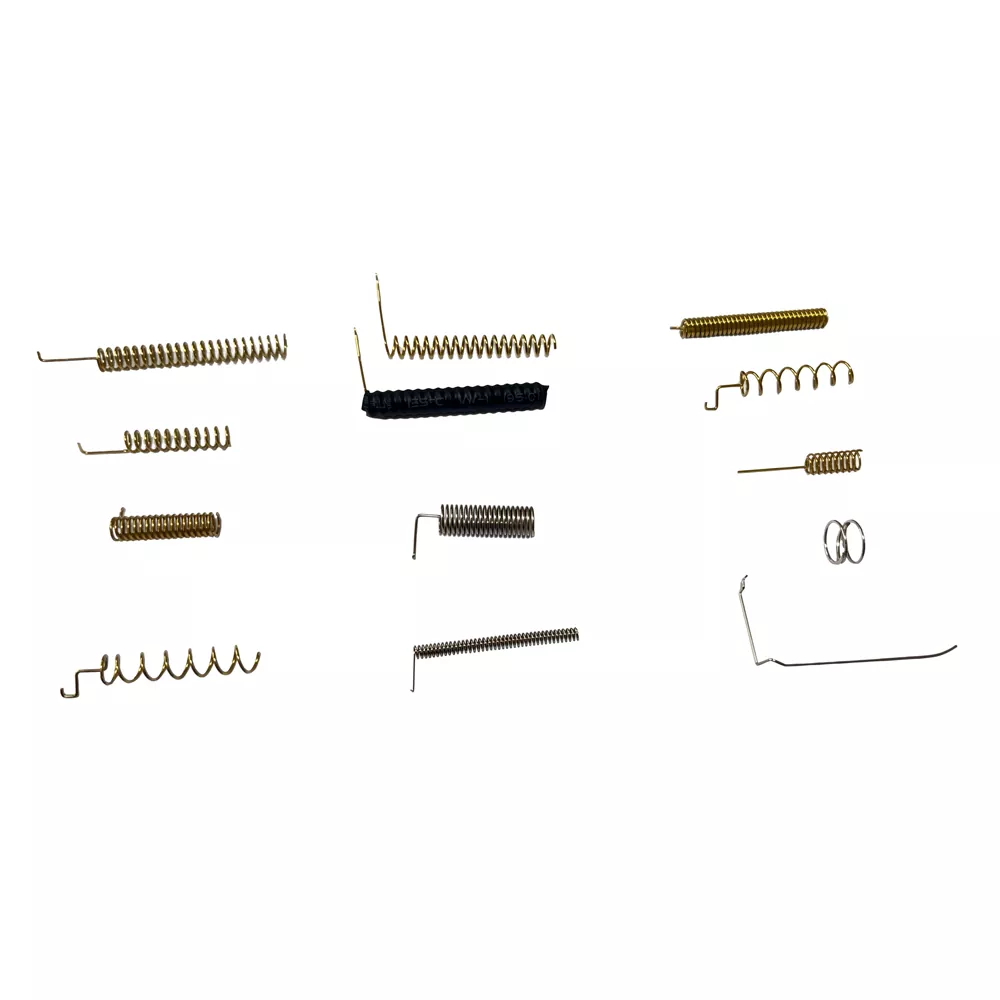
A spring antenna (also known as a helical antenna) is an antenna structure in which a metal conductor is wound into a spiral spring shape, using the helically configured metal conductor as the medium for signal transmission. It features a 50-ohm impedance design and consists of three main components: an inner copper wire (used for transmitting and receiving signals), an outer shielding wire (designed to block external electromagnetic interference), and an outer insulating layer (which counteracts the effects of external capacitance and inductance). Together, these components form a closed system with strong anti-interference performance.
Shenzhen Qianmu Communication Technology Co., Ltd., a professional enterprise specializing in the R&D, manufacturing, and sales of communication product antennas, has been deeply engaged in the antenna field for many years and is committed to providing global customers with high-quality spring antenna solutions.
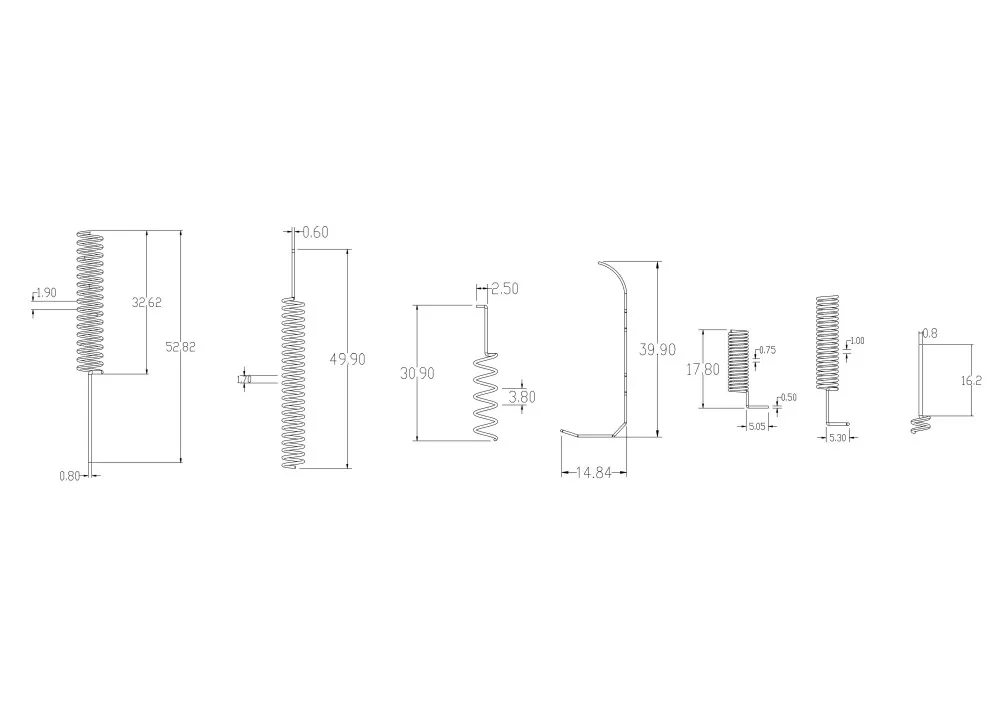
Technical Specifications
The Qianmu Communication spring antenna covers multiple frequency bands ranging from low to high frequencies, meeting the requirements of various application scenarios. The main technical parameters are as follows:
|
Parameter Item |
Specification Range |
|
Frequency Range |
315MHz / 433MHz / 470MHz / 490MHz / 868MHz / 915MHz / 2.4GHz / GSM 824-2170MHz |
|
Gain |
0.8dBi ~ 3.5 dBi |
|
Impedance |
50Omega |
|
VSWR |
≤1.5 ~ ≤1.8 |
|
Polarization |
Vertical Polarization / Circular Polarization |
|
Radiation Pattern |
Omni-directional |
|
Power Capacity |
Max 50W |
|
Operating Temperature |
-40℃ ~ +85℃ |
|
Antenna Efficiency |
35~ 80% (Depends on the installation environment) |
|
Material |
Copper, Gold Plating, Nickel Plating, etc. |
Applicable Devices
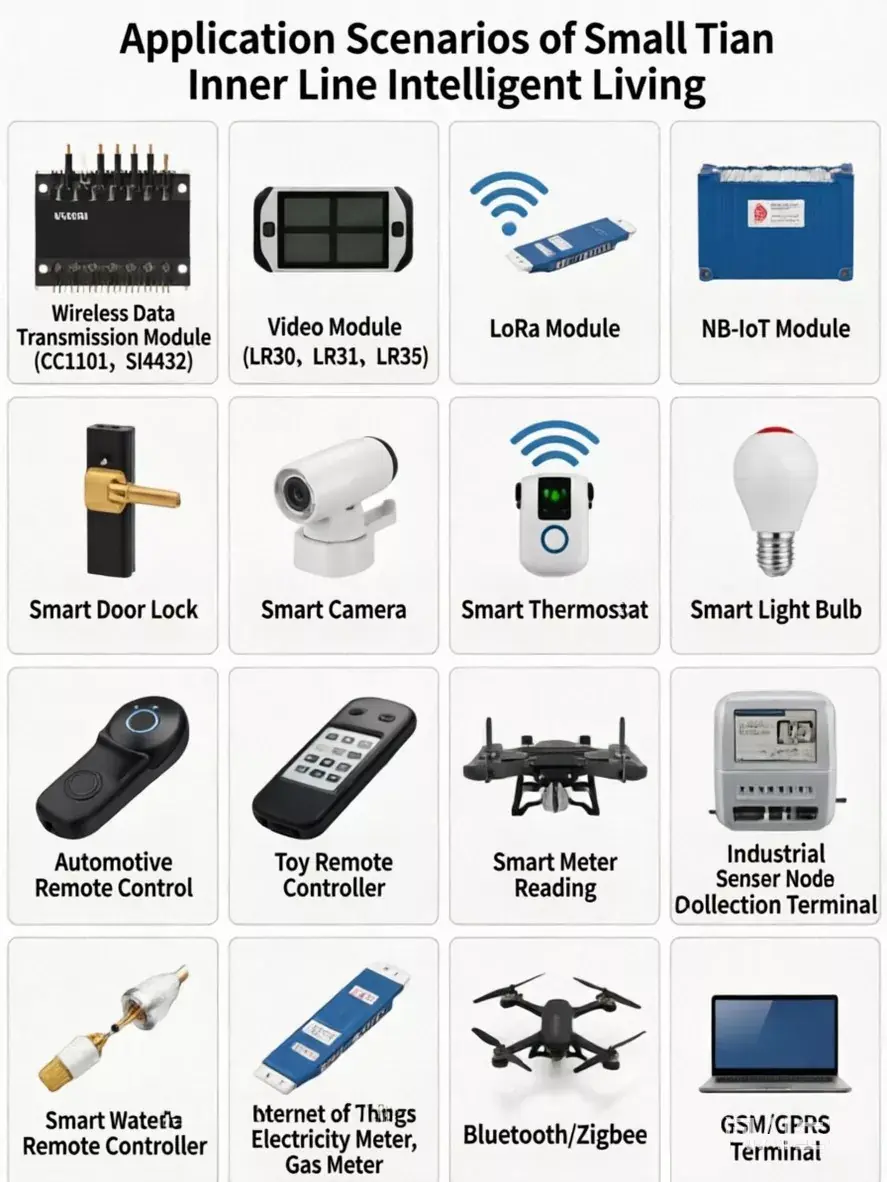
The Qianmu communication spring antenna is widely used in the following devices and scenarios:
Wireless Data Transmission Module: CC1101, Si4432, and other wireless RF modules
LoRa Modules: LR30, LR31, LR36, and other LoRa communication modules
NB-IoT Module: NB-IoT wireless communication terminal
Smart Home Devices: Smart door locks, smart cameras, smart thermostats, smart light bulbs, and more
Wireless Remote Control Devices: Car remote keys, toy remote controls, industrial remote controls, and more
IoT Terminal: IoT sensor nodes, data acquisition terminals
Smart Metering: Smart water meters, electricity meters, and gas meters
Bluetooth/Zigbee Module: Bluetooth wireless communication, Zigbee networking devices
Drone Telemetry: Data Link for Small Drones
GSM/GPRS Devices: GSM modems, remote monitoring systems
Comparison with competing products
|
Comparison Item |
Qianmu Communication Spring Antenna |
PCB Antenna |
External Rod Antenna |
|
Gain |
0.8~3.5 dBi |
2~6 dBi |
Relatively High |
|
Omni-directional Performance |
★★★★★ Excellent |
★★☆ Strong Directionality |
★★★★ Good |
|
Size |
★★★★ Compact |
★★★★★ Ultra-small |
★★☆ Large |
|
Anti-interference Capability |
★★★★★ Strong |
★★★ Average |
★★★★ Relatively Strong |
|
Installation Flexibility |
★★★★★ Extremely Flexible |
★★★ Fixed on PCB Only |
★★★ External Installation Required |
|
Cost |
★★★★ Moderate |
★★★★★ Low |
★★☆ Relatively High |
|
Design Modification |
★★★★ Flexible |
★★☆ PCB Remaking Required |
★★★ Ordinary |
The Qianmu Communication spring antenna strikes an optimal balance among omnidirectional coverage, anti-interference capability, installation flexibility, and overall cost, making it an ideal built-in antenna choice for IoT and wireless communication devices.
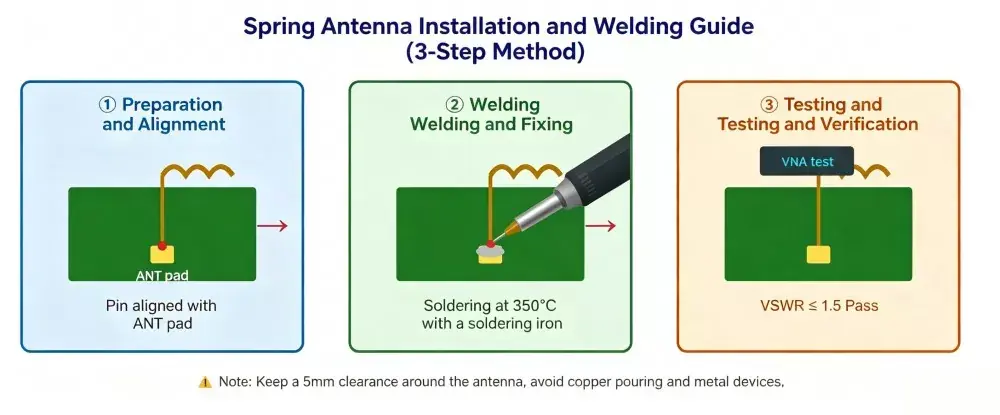
Installation Guide
Step 1: Prepare for Welding
Align the pin (usually a single pin or solder pad) at the end of the Spring Antenna with the ANT solder pad reserved on the PCB. The solder pad should be connected to the RF feed line, such as a 50-ohm microstrip line or coplanar waveguide, to ensure proper signal transmission.
Step 2: Welding and Fixing
Bend the hook-shaped section and connect it to the ANT pin of the wireless module, then complete the soldering process securely. Reflow soldering is recommended as it is compatible with standard surface-mount assembly processes.
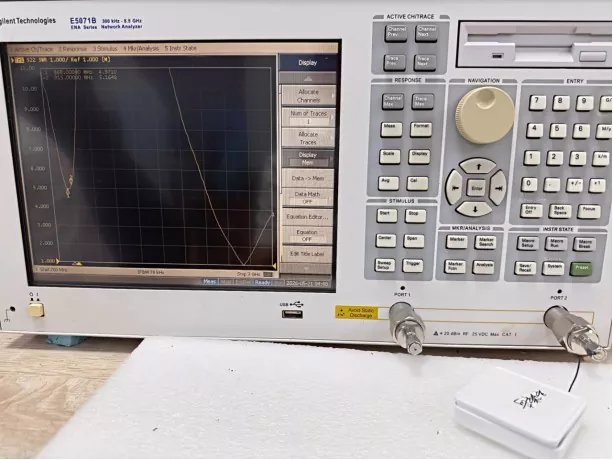
Step 3: Inspection and Testing
After soldering, use a vector network analyzer to measure the voltage standing wave ratio (VSWR) and verify that the RF performance meets the required specifications.
Notes
1. Maintain the clearance zone: Avoid routing wires and placing metal components within a 5mm radius of the antenna; do not cover the battery or shielding cover within 10mm or more above the bottom.
2. 50Ω Transmission Line: Connect the RF chip directly via a microstrip on the same layer or a stripline in the inner layer; use 45° chamfers at corners to avoid abrupt impedance changes.
3.Stay Away from Metal: When using a spring antenna, the first step is to ensure that the antenna is kept away from metallic materials, including ground planes on circuit boards, wiring traces, batteries, screens, metal casings, and more.
4.Consistent Welding Direction: In mass production, it is essential to ensure that the antenna's welding direction matches the welding direction specified by the antenna manufacturer at the time of selection.
5. Tuning and Margining: If the electromagnetic environment of the entire plastic-cased device is complex, a π-network can be reserved at the RF end, and the resonant frequency can be finely tuned using an adjustable capacitor ranging from 3 pF to 6.8 pF.
How to Choose a Spring Antenna?
|
Selection Steps |
Key Points |
Details |
|
1. Confirm Operating Frequency |
Select antenna by communication protocol & frequency band |
Common frequency bands: • 315 MHz: Traditional remote control devices • 433 MHz: LoRa, smart meters, industrial remotes • 470/490 MHz: Industrial IoT equipment • 868/915 MHz: ISM bands for Europe & North America • 2.4 GHz: Wi-Fi, Bluetooth, Zigbee • GSM Band: Cellular communication modules |
|
2. Evaluate Gain Requirement |
Match gain with transmission distance |
•Short distance (<100m): 0.8~2 dBi • Medium distance (100-500m): 2~3 dBi • Long distance (>500m): Above 3 dBi |
|
3. Check Installation Space |
Match size and structure with PCB |
1. Measure the internal space of the equipment to select the proper length and diameter. 2. Bent-type antennas are available for edge PCB mounting in spaces with limited room. |
|
4. Assess Application Environment |
Anti-interference & anti-corrosion protection |
1. Equipment with metal shielding: Circular polarization antenna recommended. 2. Humid/outdoor environment: Silver/gold plating for anti-oxidation. |
|
5. Choose a Reliable Supplier |
One-stop customized manufacturing service |
Qianmu Communication is a professional antenna factory & supplier, supporting OEM & ODM, providing full service including antenna design, sampling and mass production. |
FAQ
Q1: Which is better, a spring antenna or a PCB antenna?
A: The choice depends on the specific application requirements. Spring Antenna solutions are suitable for applications requiring long-distance transmission (>100 meters), omnidirectional coverage, and flexible installation directions, while PCB antennas are more suitable for compact devices with strict size and cost limitations. Qianmu Communication provides both solutions and offers professional recommendations based on different project needs.
Q2: Does higher gain always mean better antenna performance?
A: Not necessarily. Higher gain usually improves signal concentration but may reduce coverage in certain directions. The optimal selection should consider transmission distance, coverage requirements, and application environment. Qianmu Communication provides products with different gain options from 0.8 to 3.5 dBi.
Q3: Can the antenna be customized?
A: Yes. Qianmu Communication provides OEM/ODM customization services, including frequency adjustment, size modification, material selection, and bending angle customization to meet different application requirements.
Q4: What is the operating temperature range?
A: Qianmu Communication products operate reliably from -40℃ to +85℃, meeting the requirements of most industrial and consumer applications.
Q5: Is impedance matching required?
A: Yes. The standard impedance is 50Ω, and practical applications may require matching components between the antenna and RF transmitter port to achieve optimal performance. Qianmu Communication provides technical support for antenna matching and debugging.
Q6: What is the minimum order quantity (MOQ)?
A: Qianmu Communication supports flexible order quantities, from prototype samples and small batches to large-scale production. For detailed MOQ requirements, please contact our sales team.
Hot Tags: Spring Antenna Manufacturer, Supplier, Customized
Related Category
Send Inquiry
Contact Info
-
Address
Hangcheng High-tech Industrial Park, Hangkong Road, Sanwei Community, Hangcheng Subdistrict, Bao'an District, Shenzhen City, Guangdong Province, China
-
Tel
-
E-mail
Contact Qianmu Communication for professional antenna solutions and customized manufacturing services. As a reliable antenna manufacturer, supplier and factory in China, we provide technical consultation, product customization, sample testing and production support for customers worldwide.