News

How Does a Cellular Network Antenna Improve Wireless Connectivity?

2026-08-26 0 Leave me a message

A reliable cellular connection depends on more than the modem or communication module inside a device. The antenna is the critical interface between electronic hardware and the surrounding wireless environment. The right Cellular Network Antenna can improve signal stability, support multiple frequency bands, simplify device integration, and help connected equipment maintain communication in demanding environments.

LTE CAT 1 Antenna

Article Summary

Cellular connectivity is now an important part of industrial equipment, smart devices, vehicle systems, remote monitoring terminals, wireless routers, and IoT products. However, a cellular module alone cannot guarantee dependable communication. Antenna selection, frequency compatibility, installation position, impedance matching, cable configuration, surrounding materials, and environmental conditions all influence the final wireless performance.

This guide explains how a Cellular Network Antenna works within a wireless system, which factors affect its performance, how to select the appropriate design, and how manufacturers can avoid common integration problems. It also explains how Qianmu Communication supports standard and customized antenna requirements for industrial, vehicle, IoT, networking, and other wireless applications.


Table of Contents

  1. Article Outline
  2. What Is a Cellular Network Antenna?
  3. How Does a Cellular Network Antenna Work?
  4. What Factors Affect Cellular Antenna Performance?
  5. Which Cellular Antenna Type Should You Choose?
  6. How Can You Select the Right Cellular Network Antenna?
  7. How Should a Cellular Antenna Be Installed?
  8. Where Are Cellular Network Antennas Used?
  9. How Does Qianmu Communication Support Cellular Antenna Projects?
  10. What Common Mistakes Should Be Avoided?
  11. How Can You Maintain Stable Cellular Antenna Performance?
  12. Frequently Asked Questions
  13. Conclusion

Article Outline

  • Understand the role of an antenna in cellular communication.
  • Learn how frequency, gain, impedance, radiation efficiency, and installation influence performance.
  • Compare common external and embedded antenna configurations.
  • Identify the most important factors when selecting an antenna for a new product.
  • Improve installation and integration practices.
  • Understand common industrial, vehicle, IoT, and networking applications.
  • Learn how customized antenna development can address difficult product requirements.
  • Use practical troubleshooting and maintenance methods to improve communication reliability.

What Is a Cellular Network Antenna?

A Cellular Network Antenna is a radio-frequency component designed to transmit and receive electromagnetic signals through cellular communication networks. It works together with a cellular modem, communication module, coaxial cable, connector, and the electronic system that processes wireless data.

Depending on the application, a cellular antenna may support 2G, 3G, 4G LTE, 5G, or several generations of cellular communication at the same time. Modern equipment often needs multi-band operation because products may be sold across different countries or deployed on networks using different frequency ranges.

The antenna is not simply an accessory attached to the outside of a device. Its physical structure, dimensions, location, ground reference, cable routing, connector, and surrounding materials can all influence RF behavior. A theoretically high-gain antenna may perform poorly if it is installed incorrectly or placed too close to conductive materials.

Key point: The best antenna is not necessarily the largest or highest-gain model. It is the antenna whose electrical characteristics and mechanical design match the actual communication system.

How Does a Cellular Network Antenna Work?

A cellular communication system converts digital information into radio-frequency energy. The cellular module generates an RF signal and sends it through the antenna path. The antenna converts electrical RF energy into electromagnetic waves that propagate through the surrounding environment.

During reception, the process works in the opposite direction. Electromagnetic energy arriving from a cellular base station induces an electrical RF signal at the antenna. The signal travels through the RF path to the communication module, where it is processed and converted into usable data.

Several technical characteristics determine how efficiently this process occurs:

  • Frequency range: Determines which cellular bands the antenna can operate on effectively.
  • Gain: Describes how the antenna concentrates or distributes radiated energy in particular directions.
  • Impedance: Proper matching helps reduce RF power reflected toward the transmitter.
  • VSWR: Provides an indication of impedance matching across the operating frequency range.
  • Radiation efficiency: Indicates how effectively supplied RF power is converted into radiation.
  • Polarization: Influences how the antenna interacts with the polarization of the received signal.
  • Mechanical structure: Determines how the antenna can be integrated into the final equipment.

This explains why selecting an antenna solely from a product name or nominal gain specification can lead to disappointing results. RF performance must be evaluated as part of the complete device.


What Factors Affect Cellular Antenna Performance?

When a cellular device suffers from unstable connections, slow data transmission, frequent network drops, or poor coverage, the antenna system should be considered alongside the modem and network conditions. Several practical factors can reduce performance.

Factor Possible Problem Practical Solution
Incorrect frequency range Weak performance on required cellular bands Select an antenna designed for the target bands
Poor installation position Signal obstruction or unstable reception Evaluate antenna placement during product design
Metal enclosure RF shielding and altered radiation characteristics Use an appropriate external or RF-optimized structure
Incorrect impedance matching Higher reflected power and reduced efficiency Verify the RF path and matching design
Poor cable routing Additional loss and unwanted interference Use suitable RF cable and controlled routing
Environmental stress Performance degradation over time Choose construction appropriate for the operating environment

Why Does Antenna Placement Matter?

Antenna placement is one of the most overlooked aspects of wireless product design. An antenna installed next to a battery, metal frame, circuit board, cable bundle, or other conductive component may behave differently from the same antenna tested in free space.

For external antennas, adequate clearance and a suitable mounting location can help provide a more predictable radiation environment. For embedded antennas, engineers need to consider the available ground area, plastic housing, PCB layout, internal components, and the distance between the antenna and other RF-sensitive circuits.


Which Cellular Antenna Type Should You Choose?

There is no universal cellular antenna suitable for every device. The appropriate configuration depends on the equipment structure, available installation space, required frequency bands, environmental conditions, and desired RF performance.

External Cellular Antennas

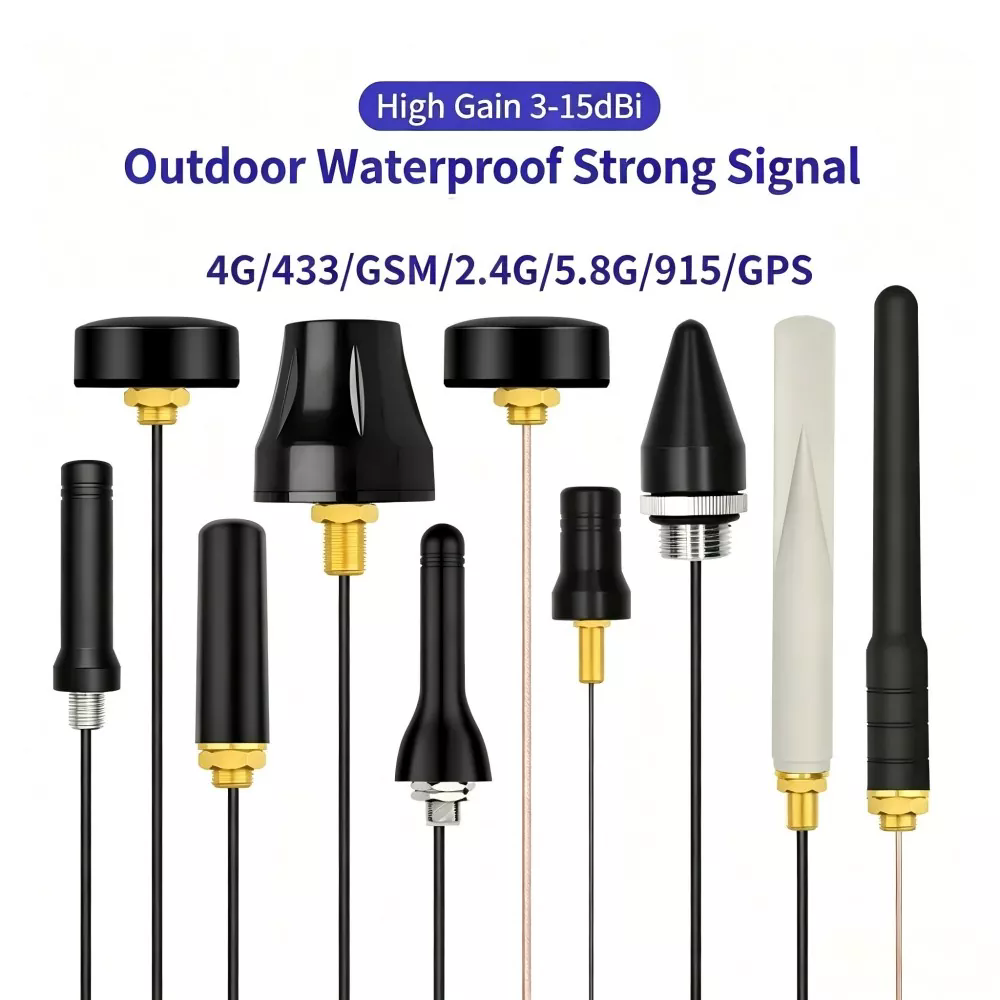
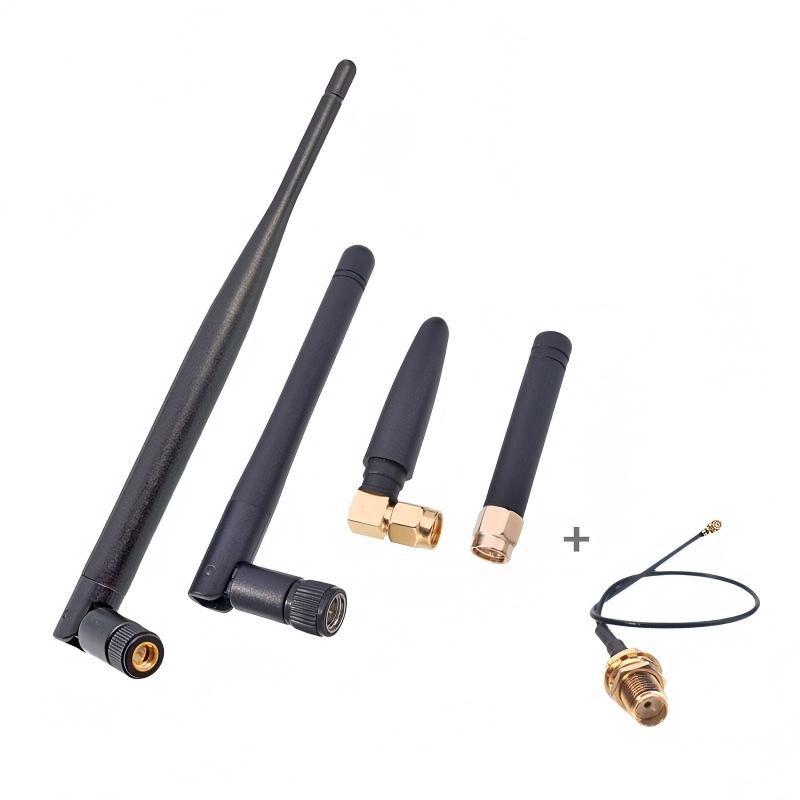
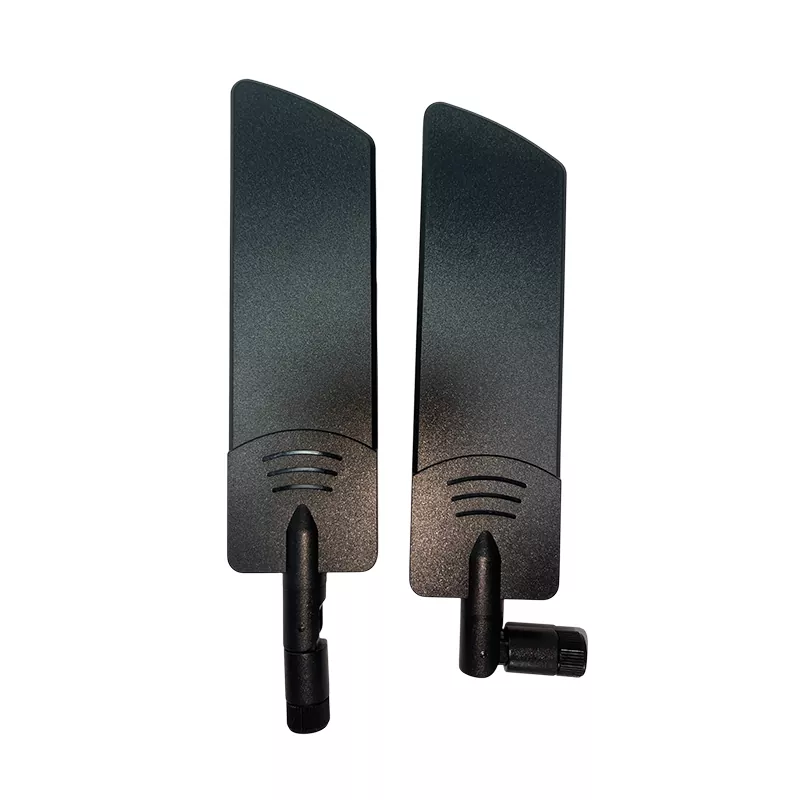
External antennas are useful when the equipment enclosure creates significant RF obstruction or when the product requires a flexible installation position. Common configurations include rod antennas, rubber antennas, magnetic-base antennas, and other externally mounted structures.

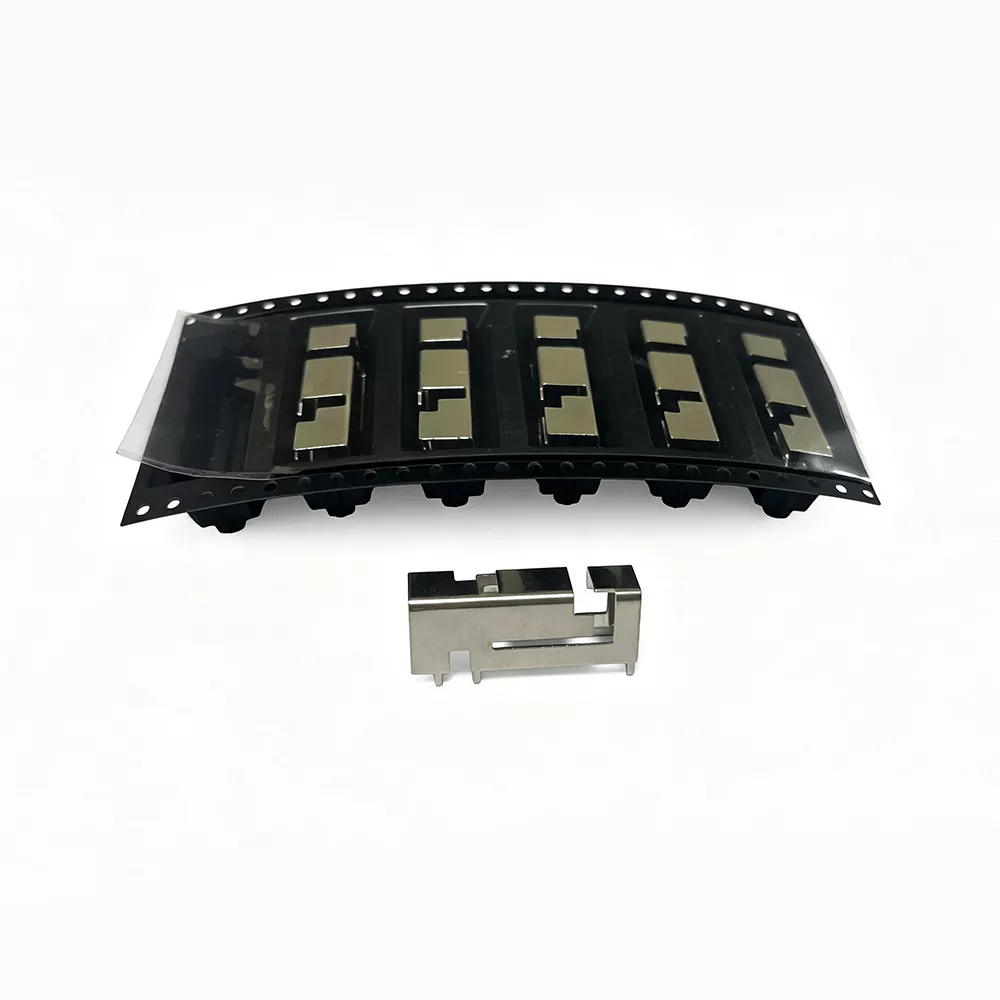
Embedded Cellular Antennas

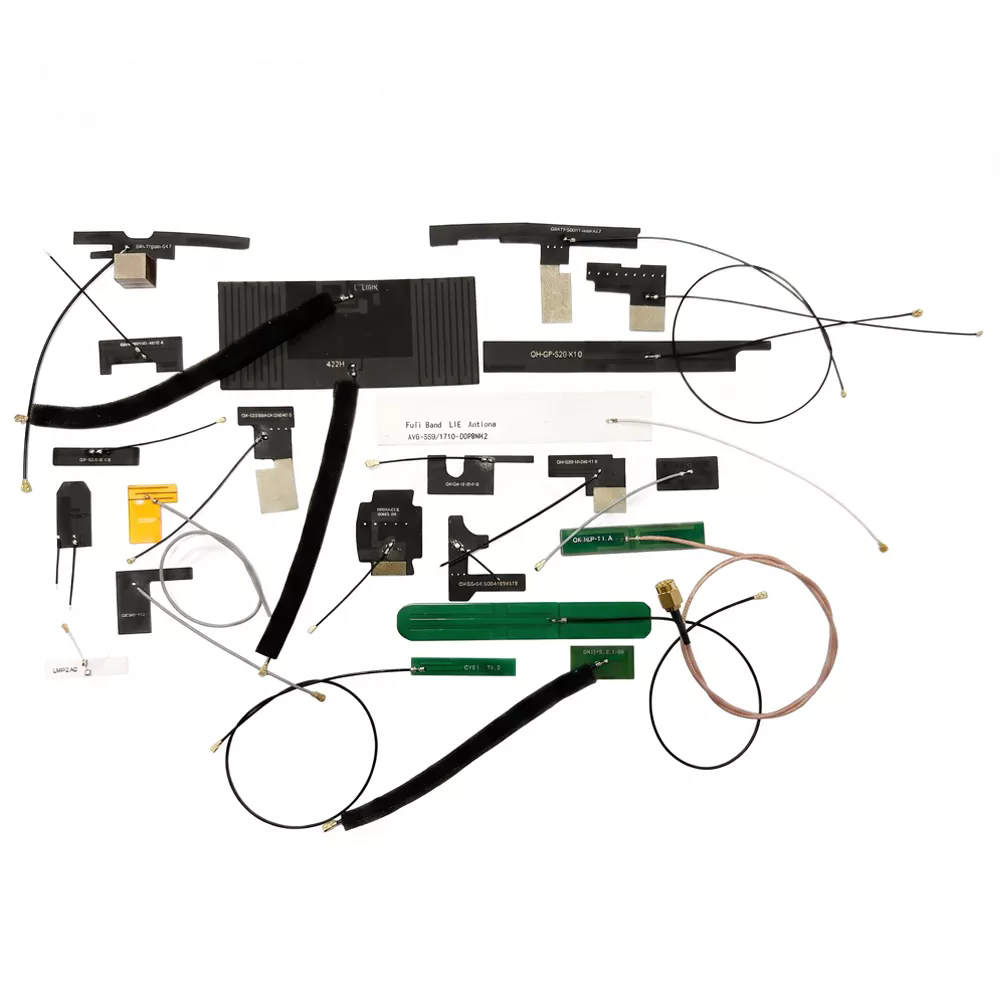
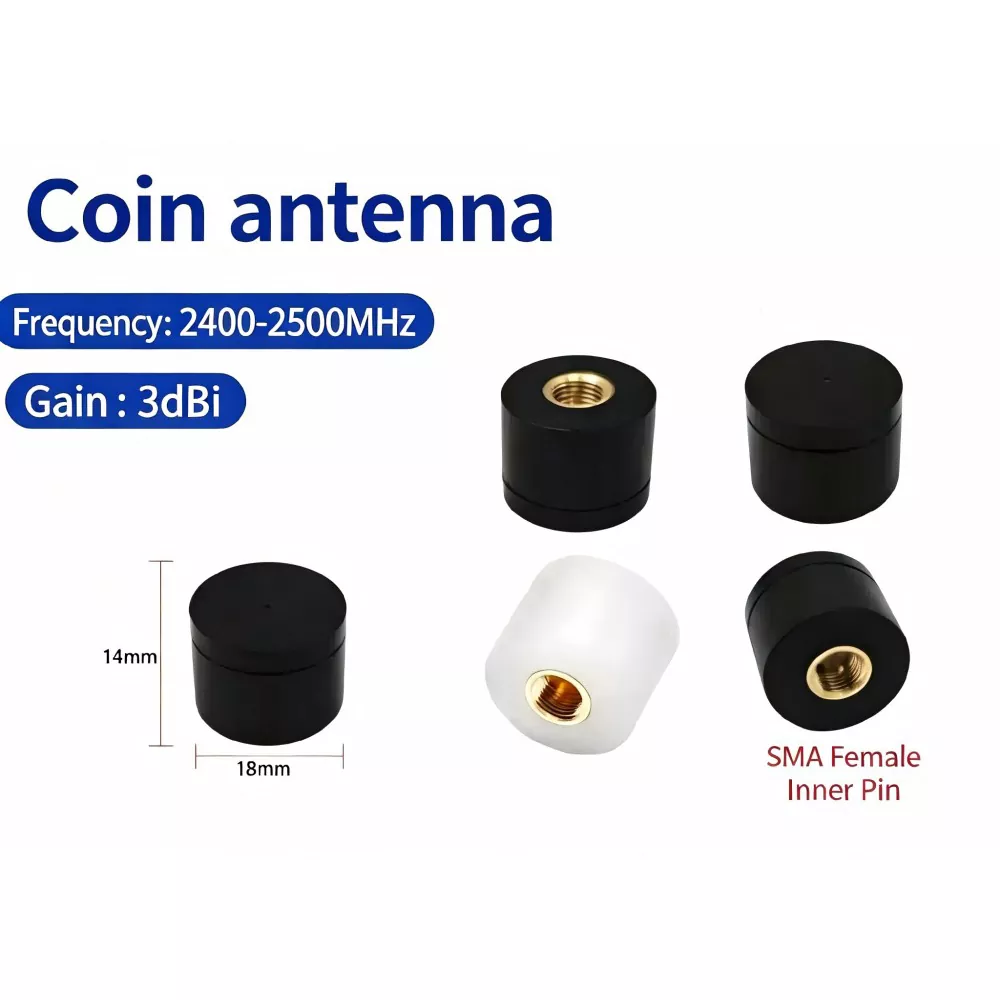
Embedded antennas are designed for products where a clean appearance, compact structure, or protected internal installation is important. They can be integrated into electronic equipment, IoT terminals, communication devices, and other compact products.

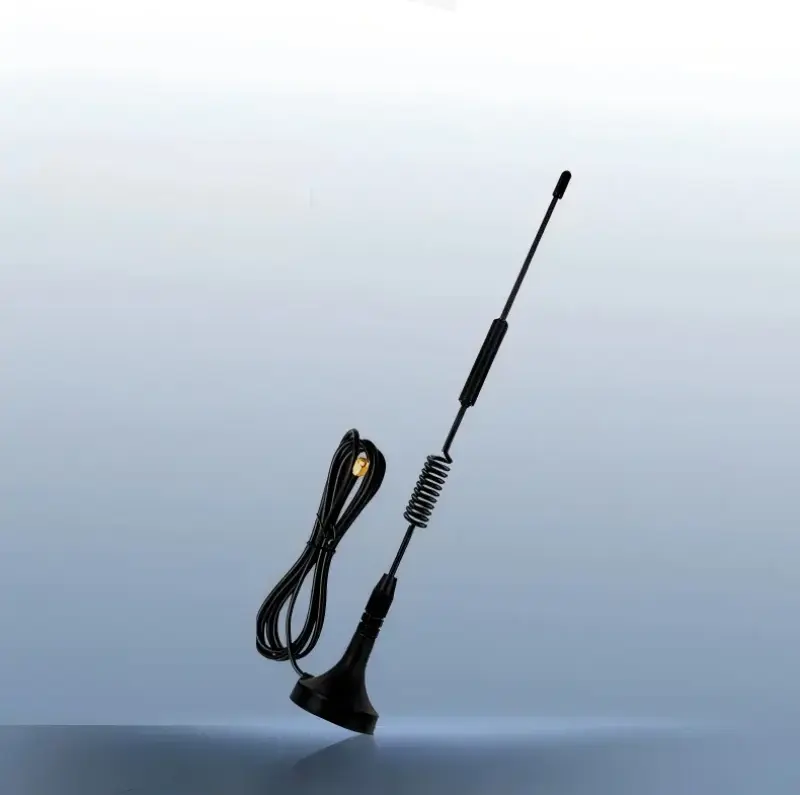
Magnetic-Base Antennas

Magnetic mounting provides convenient installation on suitable metal surfaces and can simplify deployment when the antenna needs to be repositioned during installation or testing. Cable length and connector selection should be considered at the same time.

Customized Antenna Solutions

Customized designs become particularly valuable when a standard antenna cannot satisfy the mechanical or electrical requirements of the final product. Dimensions, cable length, connector, frequency coverage, mounting structure, and RF characteristics may need to be adjusted to fit the application.


How Can You Select the Right Cellular Network Antenna?

Choosing an antenna should begin with the actual product requirements rather than a generic antenna catalog. A systematic selection process can reduce redesigns, testing delays, and unexpected communication problems.

  1. Define the cellular standards. Determine whether the product requires 2G, 3G, 4G LTE, 5G, or a combination of technologies.
  2. Identify the required frequency bands. Different markets and network operators may use different bands, so the target operating frequencies should be confirmed before selecting the antenna.
  3. Check the available installation space. Measure the enclosure, mounting area, clearance, and internal space before choosing the antenna structure.
  4. Determine the connector and cable requirements. Connector type and cable length should match the communication module and mechanical assembly.
  5. Consider the operating environment. Outdoor equipment, vehicles, industrial cabinets, and portable products may have very different requirements.
  6. Review RF performance. Frequency response, gain, VSWR, impedance, efficiency, and radiation characteristics should be evaluated.
  7. Validate the antenna inside the finished product. Final performance should be checked after integration because the enclosure and surrounding components can change RF behavior.

Selection Checklist

  • Target cellular technology identified
  • Required frequency bands confirmed
  • Installation location defined
  • External or internal configuration selected
  • Connector type confirmed
  • Cable length determined
  • Environmental conditions evaluated
  • RF performance requirements established
  • Prototype validation planned

How Should a Cellular Antenna Be Installed?

Even a well-designed Cellular Network Antenna can underperform when installation is poorly executed. Installation should therefore be treated as part of the RF design process rather than as a final assembly task.

Keep the Antenna Away From Major Sources of Obstruction

Where possible, avoid placing the antenna directly beside large metal components or densely packed electronic assemblies. Metal can affect current distribution and alter the antenna's intended radiation characteristics.

Control Cable Routing

The coaxial cable should be routed carefully and protected from unnecessary mechanical stress. Excessively complicated routing, sharp bends, poor connectors, or unsuitable cable selection can introduce additional RF loss and reliability concerns.

Consider the Final Enclosure

Testing an antenna outside the finished product is useful for initial evaluation, but it does not replace validation inside the actual enclosure. Plastic thickness, metal components, PCB dimensions, battery position, and mounting hardware can all influence the final result.

Validate Before Mass Production

Prototype testing allows engineers to identify RF problems before large-scale manufacturing begins. This is particularly important for products that operate in multiple cellular bands or must maintain connectivity in changing environments.


Where Are Cellular Network Antennas Used?

Cellular communication provides a practical way for equipment to transmit data without depending on a fixed wired network. As a result, Cellular Network Antennas are used across many industries.

Industrial IoT

Industrial gateways, remote monitoring terminals, automation equipment, smart meters, and data collection devices can use cellular communication to connect field equipment with cloud or control systems.

Vehicle Systems

Fleet management terminals, tracking devices, transportation equipment, and commercial vehicles require antennas capable of operating reliably despite vibration, movement, and changing environmental conditions.

Wireless Routers

4G and 5G routers use cellular antennas to provide primary or backup network connectivity for homes, businesses, remote sites, temporary installations, and industrial facilities.

Remote Monitoring

Remote assets often operate in locations where wired infrastructure is unavailable or impractical. Cellular communication enables monitoring data to be transmitted over long distances.

The same principle applies to smart infrastructure, outdoor equipment, communication terminals, energy management devices, and other connected systems where dependable wireless access is essential.


How Does Qianmu Communication Support Cellular Antenna Projects?

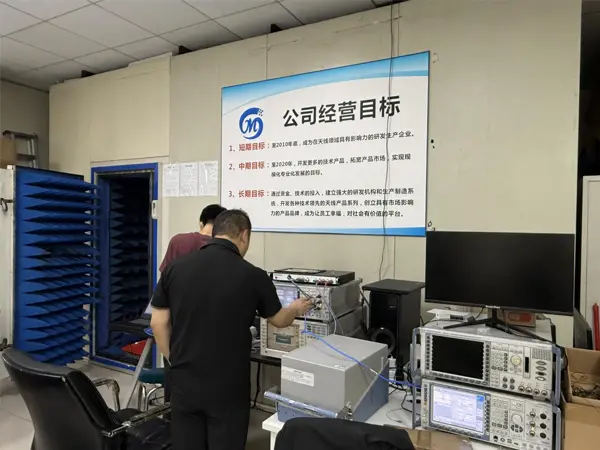
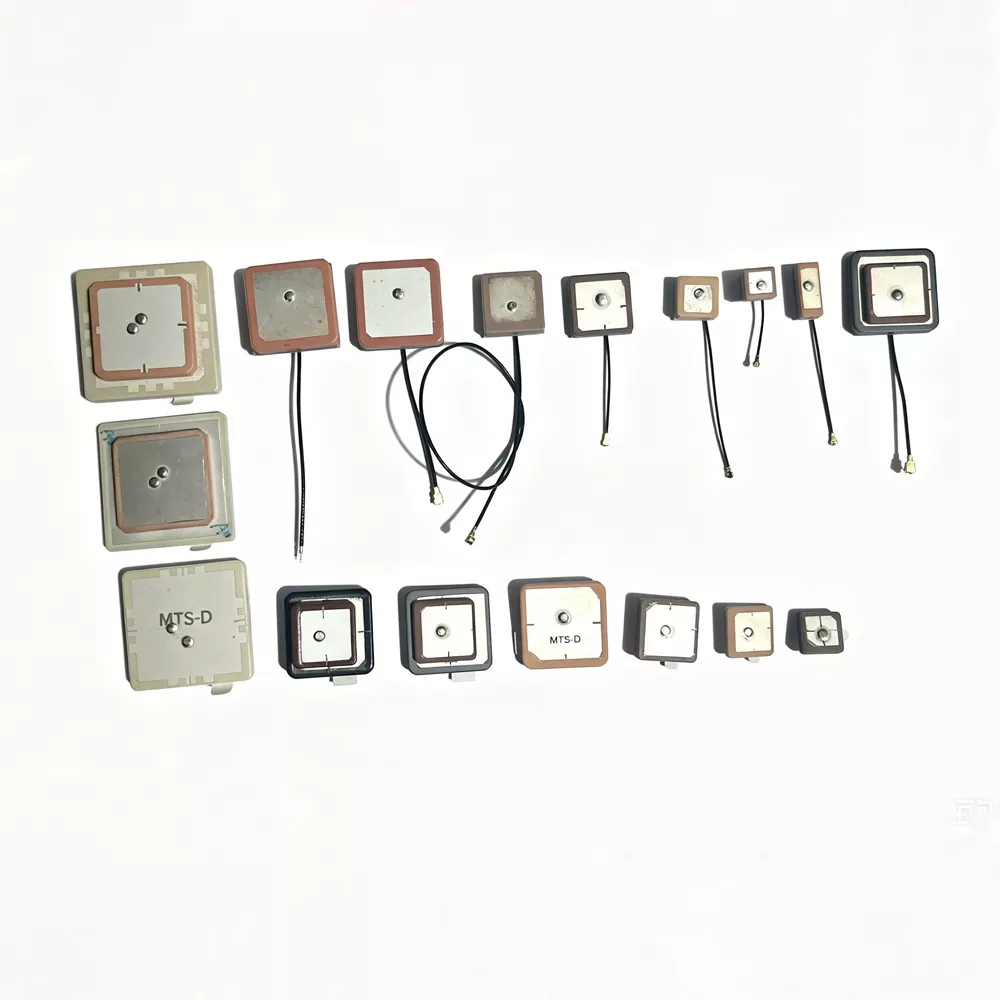
Qianmu Communication focuses on wireless communication antenna development and manufacturing, providing solutions for cellular, IoT, positioning, router, and other wireless applications. Its cellular antenna portfolio covers different structures and installation methods to accommodate varied equipment designs.

For customers developing connected equipment, the most important advantage of working with an experienced antenna supplier is the ability to consider RF requirements together with mechanical integration. A product may require a specific frequency range, compact dimensions, a particular connector, a defined cable length, or a specialized mounting structure. These requirements need to work together rather than being evaluated independently.

Customization Options

Customization Item Why It Matters
Frequency range Allows the antenna to match the required cellular bands.
Antenna dimensions Helps integrate the antenna into available product space.
Cable length Supports practical internal or external installation.
Connector Ensures compatibility with the cellular communication module.
Mounting structure Makes installation easier and improves mechanical compatibility.
RF characteristics Helps satisfy the communication requirements of the finished product.

From Prototype to Production

A practical antenna development process can include application analysis, frequency evaluation, structural design, RF optimization, prototype production, performance testing, and mass manufacturing. This approach helps identify potential integration issues before production volumes increase.

Qianmu Communication supports standard products as well as customized and OEM-oriented requirements. Depending on the project, customers can specify parameters such as frequency, size, connector, cable, mounting method, and other application-related requirements.

The company's product range includes external antenna configurations, internal antenna solutions, magnetic-base designs, embedded products, and cellular antennas intended for different communication applications.


What Common Mistakes Should Be Avoided?

Many wireless connectivity problems are caused not by a defective antenna but by selecting or integrating the antenna without considering the complete RF system.

  1. Choosing by gain alone: Gain is only one parameter. Frequency coverage, efficiency, radiation pattern, matching, size, and installation conditions also matter.
  2. Ignoring the enclosure: The antenna should be evaluated in the actual product environment.
  3. Using the wrong frequency range: An antenna that does not properly cover the required bands cannot provide reliable performance simply because the modem supports those bands.
  4. Overlooking cable loss: Long or unsuitable RF cables can reduce the signal available to the antenna system.
  5. Skipping prototype testing: Small design changes can produce significant RF differences, particularly in compact products.
  6. Failing to define regional requirements: Products intended for international markets may need different cellular band combinations.

How Can You Maintain Stable Cellular Antenna Performance?

For equipment deployed over long periods, antenna reliability depends on both RF characteristics and mechanical integrity. Periodic inspection can help identify problems before they become communication failures.

  • Inspect external antennas for physical damage.
  • Check mounting hardware for loosening or movement.
  • Inspect connectors for corrosion, contamination, or mechanical damage.
  • Check exposed cables for abrasion, crushing, or excessive bending.
  • Review communication performance after major equipment modifications.
  • Investigate repeated network drops rather than assuming the cellular network is always responsible.
  • Use appropriate environmental protection for outdoor and industrial installations.

When a product experiences a persistent connectivity problem, troubleshooting should consider the complete signal path: network availability, modem configuration, RF cable, connector, antenna, enclosure, power supply, and installation environment.
Frequently Asked Questions

What is a Cellular Network Antenna used for?

A Cellular Network Antenna enables cellular-enabled equipment to transmit and receive wireless signals through cellular networks. Typical applications include 4G LTE and 5G routers, IoT terminals, industrial equipment, remote monitoring devices, vehicle systems, and communication gateways.

Can one antenna support multiple cellular bands?

Yes. Multi-band antennas can be designed to operate across multiple frequency ranges. The exact supported bands depend on the antenna design and the requirements of the target application.

How do I choose an antenna for a 4G or 5G device?

Start by identifying the required frequency bands, then consider antenna type, installation position, dimensions, gain, VSWR, impedance, connector, cable length, environmental conditions, and the enclosure of the device. Final testing should be performed after integration.

Does a higher-gain antenna always provide better performance?

No. Higher gain does not automatically mean better performance in every application. Radiation pattern, frequency compatibility, installation position, efficiency, matching, and the surrounding environment can be equally important.

Can a cellular antenna be customized?

Yes. Depending on the supplier and project requirements, customization may include frequency range, antenna dimensions, connector, cable length, mounting method, structure, and RF characteristics.

Why does my cellular device have weak signal even with a good modem?

The modem is only one part of the wireless system. Antenna placement, RF matching, cable loss, enclosure materials, connector quality, surrounding interference, and network conditions can all affect the final signal performance.

Can Qianmu Communication provide samples before mass production?

Qianmu Communication supports prototype development and technical verification before larger production programs. This can help customers evaluate the antenna within the intended equipment before committing to mass production.

Which industries commonly use cellular antennas?

Cellular antennas are widely used in industrial IoT, smart transportation, fleet management, remote monitoring, wireless networking, vehicle communication, smart metering, industrial gateways, and other connected systems.

What connectors can be used with cellular antennas?

Connector selection depends on the communication module and mechanical design. Common RF connector choices include SMA, IPEX, MMCX, and other configurations suitable for the application.


Conclusion

A Cellular Network Antenna plays a fundamental role in determining how effectively connected equipment communicates with a cellular network. Reliable performance depends on more than selecting an antenna with a suitable product name. Frequency coverage, impedance matching, gain, efficiency, installation position, cable configuration, enclosure design, environmental conditions, and final-device testing all need to be considered.

For manufacturers developing industrial IoT products, routers, vehicle systems, remote monitoring equipment, communication terminals, or other connected devices, choosing the right antenna early in the design process can reduce integration risks and improve long-term communication stability.

Qianmu Communication provides Cellular Network Antenna solutions for different communication requirements, including standard products and customized antenna development. With attention to RF performance, mechanical integration, connector selection, cable configuration, and application requirements, the right antenna solution can be developed for both prototype projects and volume production.

Need the Right Cellular Antenna for Your Product?

If you are looking for a suitable Cellular Network Antenna for 4G, 5G, IoT, industrial, vehicle, router, or remote communication applications, share your frequency requirements, installation space, connector type, cable requirements, and operating environment with Qianmu Communication. Contact us to discuss your antenna requirements and develop a reliable solution for your application.

Related News
Leave me a message
X
We use cookies to offer you a better browsing experience, analyze site traffic and personalize content. By using this site, you agree to our use of cookies.Privacy Policy
RejectAccept